



For decades, the public health narrative surrounding free radicals has been largely one-dimensional: they are the "villains" of cellular biology, agents of oxidative stress that damage DNA and accelerate aging. Consequently, the wellness industry has championed antioxidants as the ultimate "heroes," shielding the body from this molecular decay. However, a paradigm-shifting study published in the journal Science has upended this conventional wisdom, revealing that our biological reliance on antioxidants may be a double-edged sword that cancer cells are actively weaponizing to survive.
Researchers from the University of Cambridge and the Oregon Health & Science University have uncovered a sophisticated mechanism by which tumors create a "chemical shield." By secreting specific antioxidant proteins, cancer cells effectively neutralize the very reactive oxygen species (ROS) that our immune system requires to identify and eliminate malignant threats. This discovery not only explains why some tumors are so resilient to existing immunotherapies but also offers a cautionary tale regarding the indiscriminate use of antioxidant supplementation.
The Mechanism: A Tug-of-War at the Cellular Level
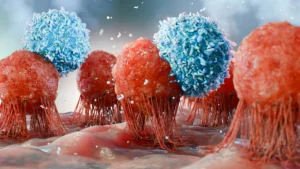
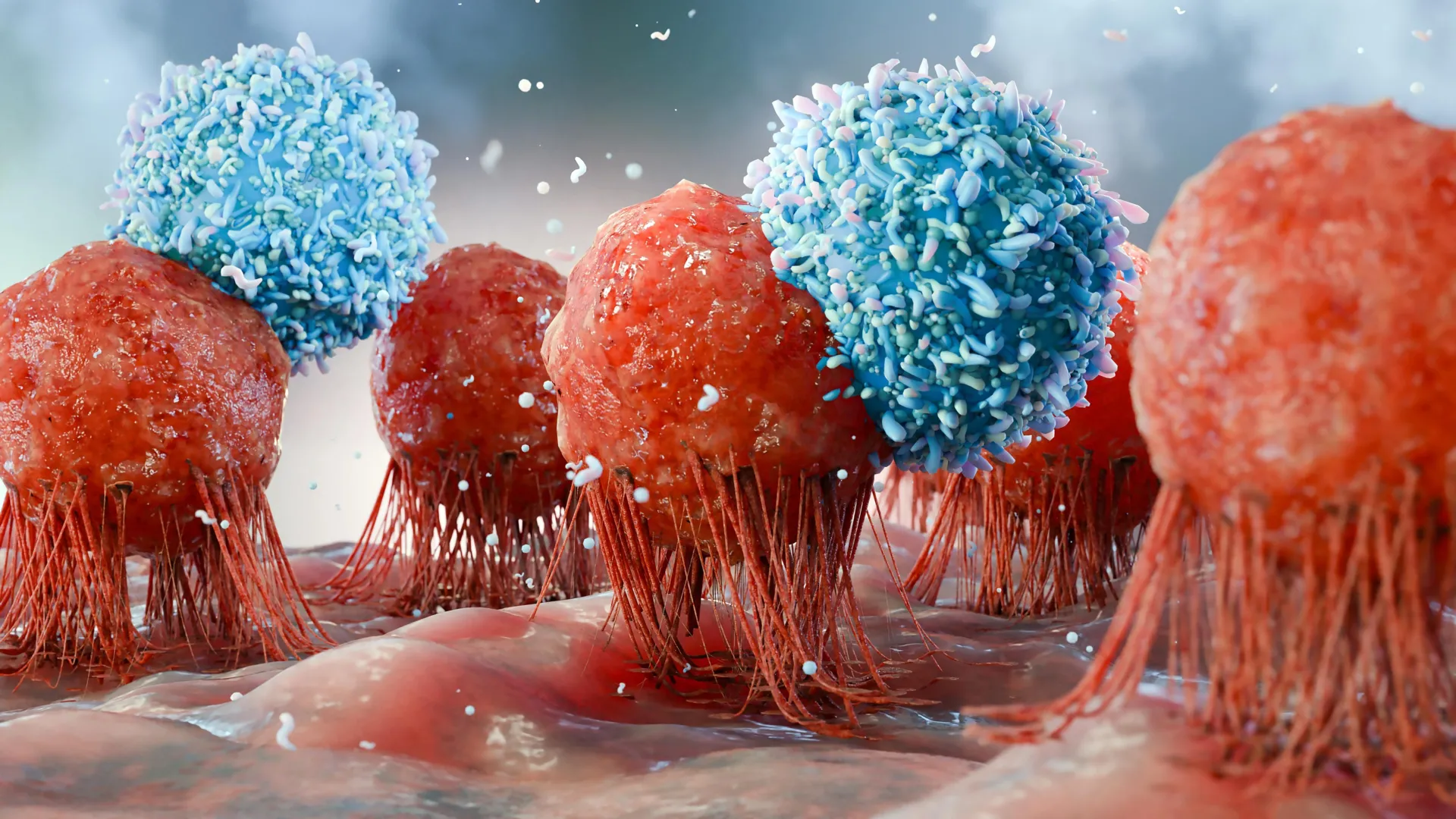
At the heart of the immune system’s arsenal are T cells—specialized white blood cells tasked with patrolling the body for abnormal, cancerous, or infected cells. For a T cell to perform its duty, it must transition from a dormant state into an aggressive, "attack-ready" mode. This transition is not merely a biological switch; it is a chemical process that requires a specific microenvironment.
Scientists have long understood that immune activation involves a delicate metabolic dance. The new research confirms that small, controlled bursts of reactive oxygen species act as critical signaling molecules. When a T cell detects a potential cancer cell, it needs these ROS to facilitate the metabolic shift required to launch a targeted attack.
However, the tumor microenvironment is far from a neutral playing field. The study demonstrates that cancer cells are capable of flooding the area surrounding them with a specific protein: Peroxiredoxin 1 (PRDX1). This protein acts as a scavenger, aggressively mopping up the ROS signals that T cells depend on. In effect, the cancer cell creates an "immunological blackout," starving the T cells of the chemical fuel they need to recognize their target. Without these signals, the T cells remain functionally paralyzed, allowing the tumor to grow unchecked.
Chronology of the Discovery: From Mice to Human Data
The road to this discovery began with a granular investigation of the fluid surrounding tumors in mouse models. Researchers noticed that the metabolic environment within the tumor was fundamentally different from that of healthy tissue.
- Initial Observations: Using advanced imaging and mass spectrometry, the team observed that T cells infiltrating the tumor were consistently failing to activate.
- Identifying the Culprit: Through systematic analysis of the extracellular fluid, they identified the over-expression of PRDX1. When they used CRISPR-Cas9 gene editing to delete the gene responsible for PRDX1 in the cancer cells, the results were immediate: the "chemical shield" vanished, and the T cells were able to re-engage their anti-tumor activity, leading to significantly slowed tumor growth.
- Validating in Humans: To determine if this was merely a mouse-specific phenomenon, the team pivoted to human data. They analyzed protein expression in human cancer cell lines, mapped gene activity patterns in thousands of clinical tumor samples, and tested fluid collected from human patients who had undergone surgical tumor removal. The results were consistent: human cancers, too, utilize PRDX1 as a survival mechanism, creating a consistent pattern of immune suppression across various malignancies.
Supporting Data: Why Immunotherapy Fails
Modern cancer immunotherapy, such as checkpoint inhibitors, has revolutionized oncology by "taking the brakes off" the immune system. While these treatments are life-saving for some, they remain ineffective for a significant portion of patients. The data from this study provides a missing piece of the puzzle.
In experiments where tumors were engineered to be deficient in PRDX1, the researchers observed a marked increase in the efficacy of existing immunotherapies. This suggests that in many patients, the tumor is not necessarily "invisible" to the immune system, but rather "chemically muted." By neutralizing the PRDX1-mediated antioxidant shield, clinicians may be able to sensitize previously resistant tumors to immunotherapy, effectively clearing the path for the body’s own defenses to do their work.
Expert Perspectives: Challenging the Antioxidant Orthodoxy
The implications of this study are profound, particularly regarding the role of antioxidants in human health. Dr. Xan Wesolowski, a lead author from the University of Cambridge, emphasizes that the scientific community is undergoing a major conceptual shift.
"We tend to think of reactive oxygen species purely as damaging byproducts of metabolism," Dr. Wesolowski stated. "But we are increasingly understanding they have important functions within cells, and T cells need them to activate. Our study develops this picture, revealing that tumors can exploit this very dependency to evade elimination."
This sentiment is echoed by Professor Rahul Roychoudhuri, who views the discovery as a roadmap for future drug development. "We’ve found a new way by which cancers shut down the immune system," Roychoudhuri noted. "When we block this process, tumors that don’t respond to some immunotherapies start responding to treatment. That tells us this is a pathway worth targeting therapeutically."
The researchers suggest that the field of oncology may eventually move toward "pro-oxidant" therapies—treatments designed to locally increase oxidative stress within a tumor to jumpstart the immune response, rather than solely relying on the traditional focus of suppressing it.
Broader Implications: A Cautionary Note on Supplements
Perhaps the most provocative aspect of the research is the light it sheds on the long-standing mystery of why antioxidant supplements have failed to show consistent cancer-prevention benefits in large-scale clinical trials.
For years, the logic seemed sound: if ROS cause DNA damage, and antioxidants neutralize ROS, then antioxidants should prevent cancer. Yet, major trials have repeatedly failed to demonstrate this, and in some instances, have suggested higher mortality rates in supplement users. The findings from this study offer a compelling biological explanation: by flooding the body with systemic antioxidants, individuals might be inadvertently weakening their own immune systems.
If the immune system requires localized ROS to hunt down and kill incipient cancer cells, then a systemic surplus of antioxidants might effectively be "disarming" the body’s internal security force. While the researchers are careful to clarify that these findings are preclinical and do not suggest that antioxidants cause cancer, they do emphasize that the "more is better" approach to supplementation is a dangerous oversimplification.
Future Directions and Clinical Responsibility
While the identification of PRDX1 as a target for therapy is an exciting milestone, the authors stress that this is currently limited to laboratory and preclinical models. Transforming these findings into a clinical reality will require years of rigorous testing to ensure that any method of disrupting the antioxidant shield does not lead to harmful side effects elsewhere in the body.
For patients and their families, the message is one of cautious optimism. There is no immediate reason to change dietary habits or stop taking prescribed medications based on this study. Cancer biology is a complex, multi-layered environment, and nutrition is only one factor in a vast landscape of factors that influence tumor progression.
The primary takeaway is that the "antioxidant vs. free radical" dichotomy is a vast oversimplification of human physiology. As we move into an era of personalized and precision medicine, understanding the precise balance of these molecules—and how cancer subverts that balance—will be essential for developing the next generation of effective cancer therapies. By understanding how tumors protect themselves, we are finally learning how to better dismantle their defenses.