








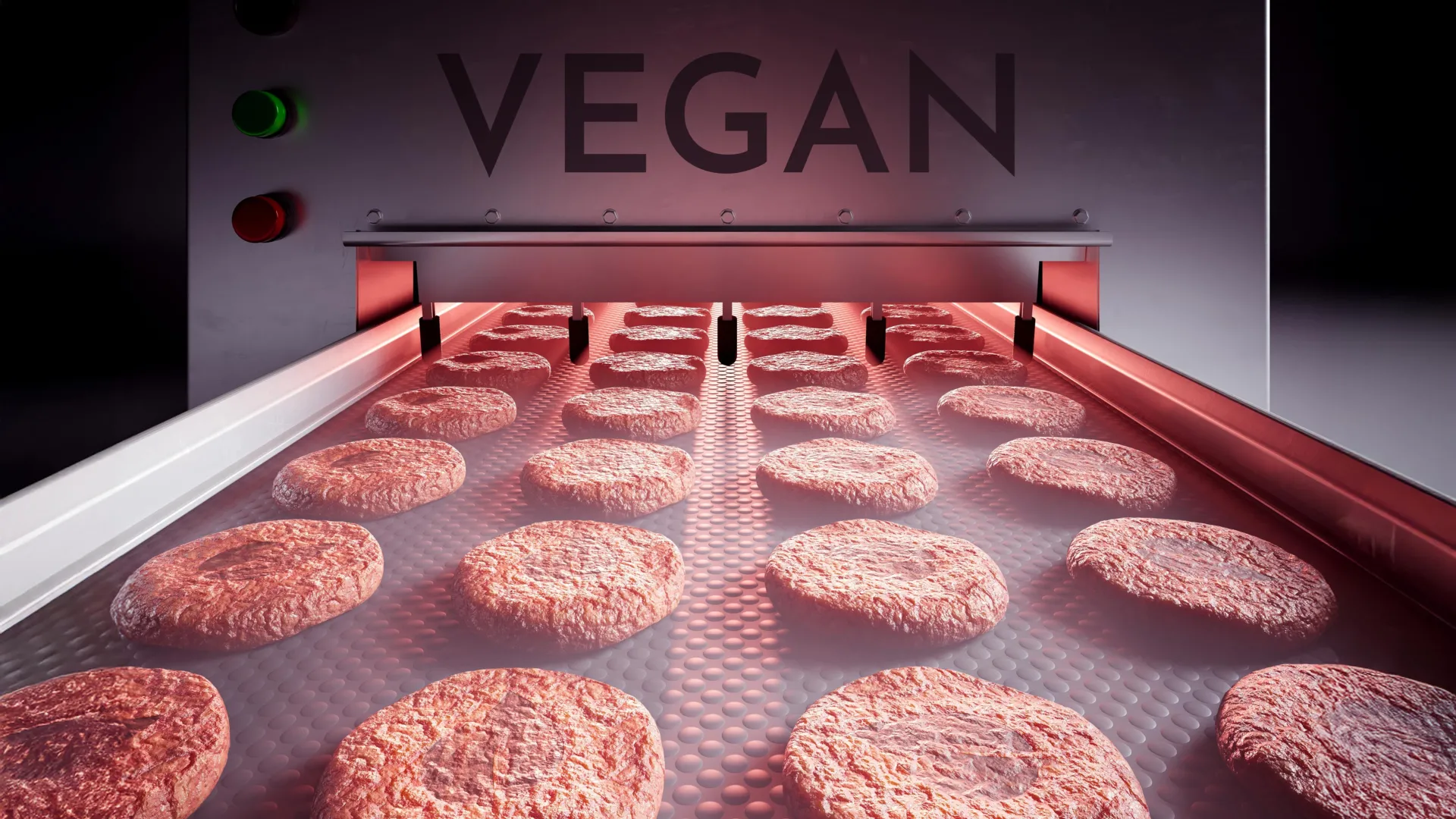
In recent years, the supermarket landscape has been transformed by a surge in plant-based alternatives. From oat milk lattes to soy-based burger patties, these products have become staples for millions of health-conscious and environmentally aware consumers. However, a groundbreaking study published in the journal Food Control has brought a hidden, naturally occurring concern to the forefront of food safety discussions: the presence of mycotoxins in plant-based meat and dairy substitutes.
Researchers from the University of Parma, in collaboration with experts from Cranfield University, have revealed that every single one of the 212 plant-based food and drink products tested contained at least one naturally occurring fungal toxin. While the results have sparked a necessary conversation about long-term consumption, experts emphasize that these findings should be viewed through a lens of nuanced risk assessment rather than alarmism.
The Scope of the Study: Unmasking Mycotoxins
Mycotoxins are toxic chemical compounds produced by certain species of fungi, including molds. Unlike living mold, which is often visible to the naked eye or detectable by smell, these toxins are invisible, odorless, and notoriously heat-stable—meaning they often survive the industrial cooking and processing methods used to create vegan food products.
The research team analyzed a broad cross-section of the UK market, specifically focusing on the most popular categories of plant-based meat alternatives (PBMAs) and plant-based beverages (PBBs). The study included 212 distinct products, ranging from vegan sausages and "chicken" pieces to oat, almond, and soy-based drinks. The methodology involved high-sensitivity analytical techniques capable of detecting 19 different types of mycotoxins.
The results were uniform in their ubiquity: every product tested showed the presence of at least one mycotoxin, and a significant portion contained a "cocktail" of multiple toxins. This finding highlights a systemic reality of modern agriculture: because mycotoxins are often introduced during the cultivation, harvesting, or storage of raw crops like grains, legumes, and nuts, they are virtually impossible to eliminate entirely from the food supply chain.
Chronology of Discovery and Analysis
The investigation, conducted under the umbrella of the EU-funded Horizon Europe FunShield4Med project, was born out of a need to keep pace with the rapid diversification of the food industry. As the plant-based sector continues to grow at an unprecedented rate, food safety regulators are faced with a new challenge: assessing the risk of highly processed, multi-ingredient products that may aggregate contaminants from various sources.
- Phase One (Market Mapping): Researchers identified the most commonly consumed plant-based meat and dairy alternatives in the UK market, ensuring a representative sample of popular supermarket brands.
- Phase Two (Laboratory Analysis): Using advanced analytical chemistry, the team screened the samples for 19 common mycotoxins known to affect agricultural products.
- Phase Three (Data Aggregation): The researchers cross-referenced their findings against existing European Union food safety guidelines to determine if the concentrations posed immediate toxicological risks.
- Phase Four (Interpretation): The team analyzed the "cumulative effect"—the potential risk of consuming multiple products containing trace amounts of toxins over a long period.
Supporting Data: Understanding the Guidelines
The most critical aspect of the study—and the most reassuring for the average consumer—is the comparison of these toxin levels against safety thresholds. Despite the universal presence of mycotoxins, the study confirmed that every single product tested remained well within the recommended safety limits established by the European Union.
The Science of "Safe Limits"
Food safety guidelines are designed to account for the reality that trace levels of natural contaminants are inevitable in a global food supply. The researchers noted that the UK food industry maintains high quality standards, which keeps these toxins at concentrations that are generally considered non-hazardous for the average person consuming an occasional plant-based meal.
However, the study challenges the traditional way food safety is assessed. Current regulations often look at products in isolation. The researchers argue that this "siloed" approach may not capture the reality of a modern vegan diet. If a consumer eats an oat milk cereal for breakfast, a soy-based protein bar for a snack, and a pea-protein burger for dinner, they are ingesting a cumulative dose of mycotoxins from multiple sources. While each individual product is "safe" by regulatory standards, the total daily load is a metric that scientists are only just beginning to quantify.
The Mechanics of Contamination: From Field to Factory
To understand why these products contain fungal toxins, one must look at the raw materials. The building blocks of the plant-based revolution—grains like wheat and oats, legumes like soy and peas, and various nuts—are all vulnerable to fungal infection.
- Agricultural Vulnerability: Fungi can colonize crops in the field during periods of high humidity or pest damage.
- Storage Challenges: If grain silos or warehouses are not kept at optimal moisture and temperature levels, dormant fungi can activate and begin producing mycotoxins.
- Complexity of Ingredients: Plant-based meat alternatives are complex, often containing a dozen or more ingredients. Each ingredient represents a new "entry point" for contamination. If a burger contains both soy protein and wheat gluten, the probability of encountering a mycotoxin increases simply because there are more raw materials involved.
Official Responses and Expert Perspective
Andrea Patriarca, Senior Lecturer in Mycology at Cranfield University, played a pivotal role in the study. His stance is one of pragmatic vigilance. "Mycotoxins are a natural part of the food environment," Patriarca explains. "They cannot be completely avoided, and as consumers, we should not be frightened or deterred from enjoying a varied diet."
However, Patriarca highlights the regulatory gap. "A significant concern arises when new foods enter the market, as there are currently no established, comprehensive regulations to monitor the cumulative impact of these toxins in ultra-processed plant-based foods."
The research team is now working closely with food safety organizations to help implement better management systems. This involves shifting the focus from simply testing the final product to monitoring the raw materials more rigorously. By identifying and controlling contamination at the supplier level, food manufacturers can significantly reduce the "toxin burden" in the final product.
Implications: The Long-Term Health Outlook
The question of whether these trace amounts are harmful in the long run is a subject of ongoing debate. At high concentrations, specific mycotoxins are known to be nephrotoxic (damaging to the kidneys), hepatotoxic (damaging to the liver), and can even interfere with immune system regulation. Some are classified as potential carcinogens.
It is vital to state, however, that the new findings do not suggest that current plant-based products are causing these health issues. The study is a diagnostic tool, not an indictment. It provides the data necessary for public health officials to perform more accurate risk assessments.
For the average consumer, the implications are as follows:
- Dietary Diversity: A varied diet is the best defense. By rotating between different types of plant proteins (e.g., swapping oat milk for almond milk, or soy-based meat for mushroom-based options), consumers can avoid chronic, high-level exposure to a single type of toxin.
- Awareness, Not Panic: The presence of a toxin does not equate to the presence of danger. In the world of toxicology, "the dose makes the poison." Current levels are well within safe margins.
- Future Policy: The study will likely influence future EU and UK food safety policy, leading to stricter ingredient testing requirements for manufacturers of complex plant-based products.
Conclusion: A Call for Continued Vigilance
The University of Parma and Cranfield University study serves as a milestone in our understanding of the plant-based food industry. It confirms that while the industry is producing high-quality food that meets existing safety standards, the complexity of modern, multi-ingredient diets requires a more sophisticated approach to food safety.
As the scientific community continues to explore the "cumulative effect" of mycotoxins, the industry is expected to adopt more rigorous testing protocols. For the consumer, the message remains clear: continue to enjoy the benefits of a plant-based diet, but remain aware that the best nutrition comes from a diverse array of whole foods. The journey toward a more sustainable food system is complex, and as this study proves, the most important work often happens at the microscopic level, hidden deep within the ingredients we consume every day.
Further research into this area is already underway, with the team committed to providing the evidence base that will guide policymakers, protect vulnerable consumers, and ensure that the plant-based revolution remains as healthy as it is sustainable.