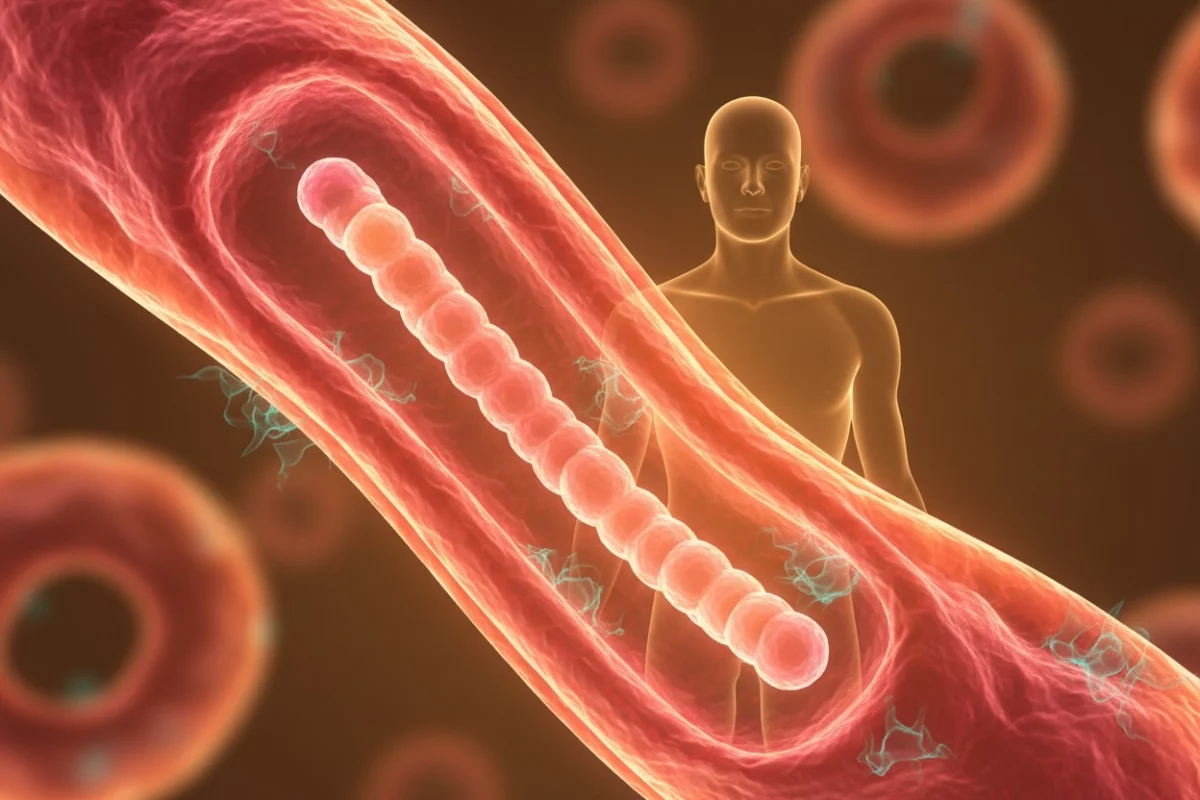
In the evolving landscape of alternative health and bio-hacking, the use of chlorine dioxide (ClO₂) has long been a subject of intense controversy and rigorous debate. Often categorized as an aggressive oxidizing agent, its application in human health is viewed by proponents as a potent tool against systemic pathogens and by critics as a dangerous chemical intervention. However, new insights into cellular biology—specifically regarding the protective capabilities of the carotenoid astaxanthin—are shifting the discourse. Advocates now suggest that by employing precise nutritional "bio-hacks," users may be able to harness the pathogen-killing properties of chlorine dioxide while mitigating the risk of collateral cellular damage.
The Nature of the Oxidizer: Chlorine Dioxide in the Body
To understand the premise of this protocol, one must first understand the mechanism of chlorine dioxide. ClO₂ is a powerful oxidant. In the context of the human bloodstream, its efficacy lies in its ability to selectively react with specific molecular structures found in bacteria, viruses, and certain biological toxins. Unlike traditional antibiotics, which rely on biochemical binding, chlorine dioxide functions through oxidative disruption.
However, this strength is also its primary weakness. The human body is a complex biological environment. While ClO₂ is effective at neutralizing external threats, it does not possess a "biological compass." As an intense oxidizer, it can indiscriminately interact with the body’s own healthy cells, leading to what researchers term "collateral oxidative stress." This process can deplete circulating antioxidants and induce temporary, repairable DNA lesions. In a healthy, nutrient-replete individual, these lesions are rapidly corrected by internal enzymatic processes. In a nutrient-deficient population, however, this oxidative load can outpace the body’s ability to recover.
Chronology of a Bio-Hack: The Evolution of Protective Protocols
The evolution of this protocol stems from a growing awareness of the "nutrient gap" in modern Western populations. Historically, the use of chlorine dioxide was approached with a binary perspective: either the benefit of pathogen destruction outweighed the risk, or the risk was considered too great to justify usage.
The paradigm shift occurred when researchers began looking at the cellular level to see if the "carpet bombing" effect of chlorine dioxide could be localized. By examining the lipid bilayer—the protective boundary of every cell in the body—the focus shifted to finding a "molecular rivet" capable of reinforcing this barrier during oxidative exposure.
- Phase One: Nutritional Priming. Before any consideration of using an oxidant, the protocol emphasizes the necessity of correcting baseline deficiencies. Without adequate levels of zinc, magnesium, and selenium, the body’s endogenous repair mechanisms are essentially "offline."
- Phase Two: The Astaxanthin Shield. Research into astaxanthin, a red-pigmented carotenoid found in microalgae, revealed its unique amphiphilic properties. Unlike other antioxidants that merely float in the bloodstream, astaxanthin spans the entire width of the cell membrane.
- Phase Three: Strategic Timing. The integration of these components requires a strict schedule. By pre-loading with astaxanthin and avoiding reactive antioxidants like Vitamin C during the administration of the oxidant, the protocol attempts to create a "window of protection" for the host while leaving the oxidant free to react with pathogens.
Supporting Data: The Biochemistry of Astaxanthin
The scientific rationale for using astaxanthin as a cellular shield is grounded in its molecular structure. Astaxanthin is a xanthophyll carotenoid. Its polar hydrophilic ends and non-polar hydrophobic center allow it to insert itself into the lipid bilayer of cell membranes. This positioning creates a robust defense system that can intercept free radicals at the membrane surface before they can penetrate the cytoplasm or damage the mitochondria and nucleus.
Why Membrane Protection Matters
The mitochondria are the powerhouses of the cell, and they are particularly susceptible to oxidative stress. When an oxidant like chlorine dioxide is introduced, the mitochondria are often the first to suffer. By "riveting" the membrane with astaxanthin, the integrity of these organelles is preserved, allowing the cell to maintain energy production even during periods of systemic oxidative stress.
Studies in animal models have consistently demonstrated that astaxanthin can inhibit both cytotoxic and genotoxic effects of various chemical stressors. While direct clinical trials on humans using this specific chlorine dioxide combination remain absent due to the regulatory environment, the existing data on astaxanthin’s protective role in oxidative injury provides a compelling biochemical basis for this approach.
Official Responses and Regulatory Perspectives
It is essential to note that the medical establishment remains highly skeptical of these protocols. Regulatory bodies, including the U.S. Food and Drug Administration (FDA), have issued numerous warnings regarding the internal use of chlorine dioxide products, citing potential risks ranging from nausea and vomiting to severe dehydration and electrolyte imbalances.
The official medical consensus holds that there is no "safe" way to utilize chlorine dioxide internally, as the risk of oxidative damage to the mucosal lining and systemic toxicity is considered too high. Conventional medicine advocates for the use of patented pharmaceuticals and established antimicrobial therapies that have undergone rigorous Phase III clinical trials.
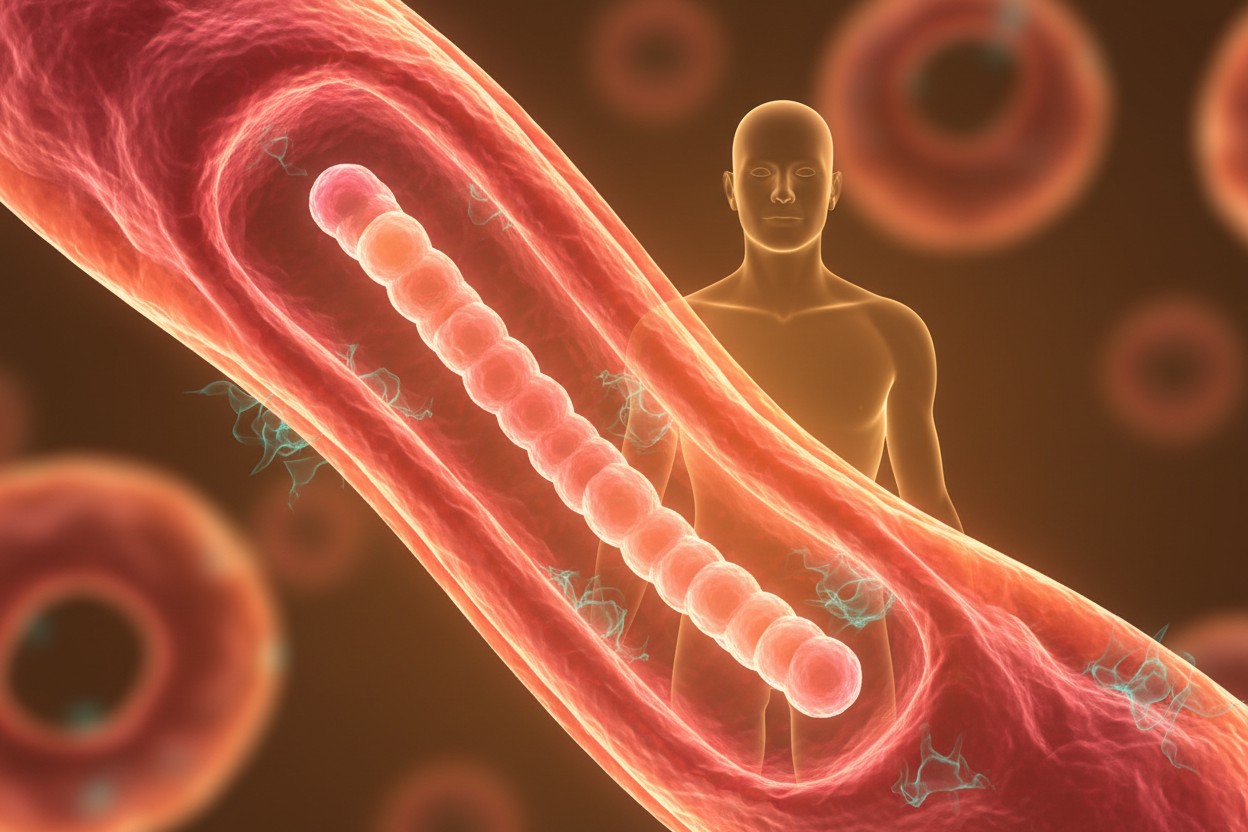
Proponents of the astaxanthin-augmented protocol argue that this regulatory stance fails to distinguish between the use of industrial-grade chemicals and properly diluted, pharmaceutical-grade solutions used under the guidance of informed practitioners. They contend that the "medical establishment" is structurally incentivized to favor patentable drugs, which inherently leads to the suppression of low-cost, non-patentable natural substances.
Implications for Personal Health Sovereignty
The core implication of this bio-hack is a shift in the philosophy of personal health. It moves away from the "patient" model—where an individual waits for external intervention—to a "proactive" model, where the individual takes ownership of their internal biochemical environment.
The Role of Nutritional Co-factors
The protocol highlights that without zinc, the body cannot effectively facilitate the DNA repair enzymes necessary to fix oxidative damage. This underscores a broader truth in modern health: we are living in an era of "hidden hunger." Even with caloric abundance, most people suffer from profound micronutrient deficiencies that leave them vulnerable to oxidative damage from environmental toxins, stressors, and, theoretically, medical interventions.
The "Bulletproof Vest" Analogy
In this analogy, chlorine dioxide is the "cleanup crew" tasked with removing an unwanted infection. The astaxanthin, when properly dosed and timed, acts as a "bulletproof vest" for the host’s healthy cells. The success of this protocol is entirely dependent on the timing—a failure to properly cycle these nutrients can lead to the very damage the user is trying to avoid.
Implementation: A Controlled Approach
For those choosing to explore these methods, the protocol requires a high degree of precision:
- Pre-loading: 12–24 mg of astaxanthin, taken with healthy fats (such as fish oil) at least 2–4 hours prior to any oxidative intervention. This ensures the carotenoid has fully integrated into the cell membranes.
- The Oxidative Window: Chlorine dioxide is utilized during the window where the astaxanthin concentration in the cellular membranes is at its peak.
- The Post-Protocol: High-dose Vitamin C (500–1,000 mg) and other antioxidants are introduced only after the chlorine dioxide has completed its reaction cycle. This is critical, as Vitamin C acts as a potent reducing agent that would otherwise neutralize the chlorine dioxide prematurely.
- Mineral Support: Ongoing maintenance of zinc, magnesium, and sulforaphane levels is mandatory to ensure the cellular machinery has the "parts" required for rapid repair.
Final Analysis: An Informed Risk
The integration of astaxanthin into chlorine dioxide protocols represents a sophisticated attempt to reconcile the raw power of oxidative therapy with the delicate needs of human cellular biology. It is a methodology born from the intersection of biochemistry and a deep-seated distrust of current medical orthodoxies.
However, the risks remain non-trivial. The potency of chlorine dioxide means that the margin for error is thin. This protocol is not designed for casual use or as a daily supplement; it is presented by its proponents as a strategic, short-term tool for extreme scenarios.
As with any bio-hack that involves the manipulation of systemic oxidation, the most vital component is not the substance itself, but the knowledge of the user. In an era where information is often siloed or suppressed, the responsibility for health outcomes is increasingly falling back onto the individual. By understanding the molecular interactions at play, individuals can move from a state of passive compliance to one of active, informed, and—hopefully—survivable health management.
Disclaimer: This article is for informational and educational purposes only. It does not constitute medical advice, diagnosis, or treatment. The internal use of chlorine dioxide is not approved by the FDA and carries significant health risks. Always consult with a qualified naturopathic physician or healthcare provider before attempting any new health protocol, especially those involving oxidizing agents.