











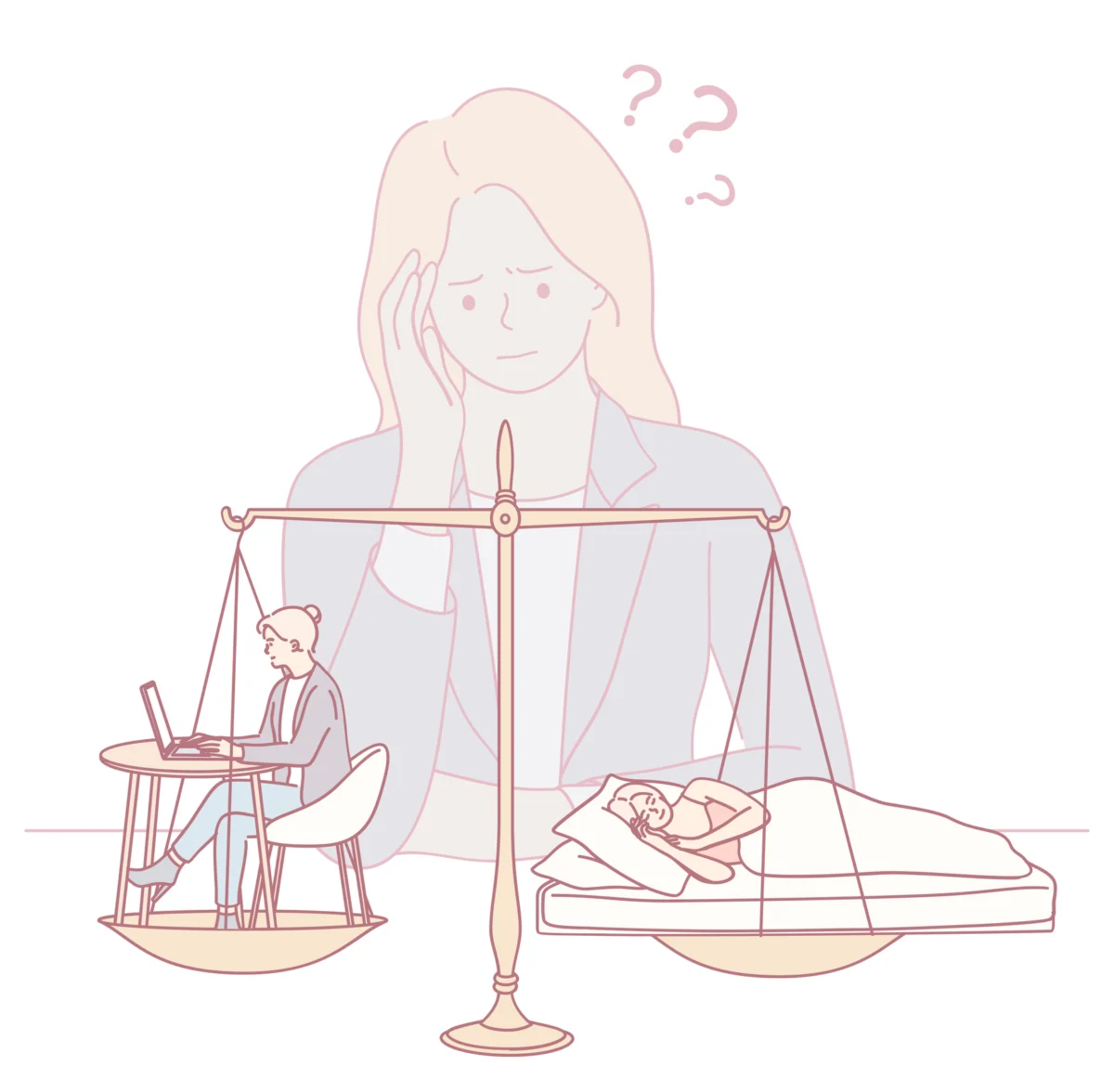
For decades, the mystery of what governs our transition from wakefulness to slumber has been one of the most complex puzzles in neuroscience. While scientists have long understood the mechanisms that keep us alert, the "off-switch" for the human brain remained elusive—until now. Researchers at the University of Toronto have identified a specific cluster of neurons in the brainstem that acts as a vital regulator, effectively governing the delicate balance between our waking life and our periods of rest.
This discovery, recently published in the journal PLOS Biology, provides a foundational shift in our understanding of sleep architecture. By identifying a neural population that actively induces sleep, researchers have not only mapped a fundamental biological process but have also opened the door to revolutionary treatments for debilitating sleep disorders like narcolepsy and chronic insomnia.
The Main Facts: Identifying the "Sleep Switch"
At the heart of the discovery is a collection of GABAergic neurons located in the brainstem—a region often referred to as the "primordial" part of the brain due to its evolutionary age and critical role in controlling autonomic functions.
The study, led by neurobiologist Dr. Jimmy Fraigne and his colleagues, demonstrates that these neurons function as a "switch." When activated, they inhibit the arousal centers of the brain, forcing the body to transition into sleep. This process functions in a classic "seesaw" dynamic: when wake-promoting neurons (such as orexin neurons) are active, the sleep-inducing GABA neurons are suppressed. Conversely, when the GABAergic switch is flipped, wakefulness is dialed down.
Because this brainstem circuitry is conserved across mammalian species, the team is confident that these findings are directly applicable to human biology. The identification of this mechanism changes the narrative of sleep research from one of "passive fatigue" to one of "active neural control."
A Chronology of Discovery: From Theory to Breakthrough
The road to this discovery began with a shift in focus. For years, the scientific community focused heavily on the excitatory pathways—the "gas pedal"—that keep humans alert. Researchers like Dr. John Peever and Dr. Jimmy Fraigne sought to investigate the inhibitory counterparts—the "brakes."
- The Hypothesis (Early Research): The research team hypothesized that the brainstem, which manages heart rate and breathing, might also house the master regulators for sleep transitions. They began by mapping the neuronal connections in the brainstems of mouse models.
- The Identification: Using advanced optogenetics and chemogenetics, the team isolated specific GABA neurons. They observed that by selectively stimulating these cells, they could induce an immediate, natural-like transition into sleep, even in animals that were previously active.
- The Validation: The team compared these findings against known wake-promoting neurons (orexin). They discovered that these two systems are functionally tethered; they do not operate in isolation but rather in a constant, dynamic interplay.
- The Publication: After years of rigorous observation and data synthesis, the team finalized their study, providing definitive proof that these brainstem neurons are essential to the onset of sleep.
Supporting Data: The Anatomy of Sleep
To understand the magnitude of this discovery, one must look at the specific role of GABA (gamma-aminobutyric acid). GABA is the primary inhibitory neurotransmitter in the mammalian central nervous system. By releasing GABA, these neurons "silence" the wake-promoting signals traveling from the brainstem to the cortex.
The study’s data shows that the suppression of these neurons is a primary failure point in sleep disorders. In models of narcolepsy, the team observed that the imbalance between the wake-promoting signals and this inhibitory GABAergic switch was significantly disrupted. The mice displayed sudden, involuntary transitions into sleep, mirroring the "sleep attacks" experienced by human patients.
The researchers found that the brainstem acts as a regulatory hub. By measuring neuronal firing rates, the team quantified that the "switching" speed of these neurons is remarkably fast—explaining why humans can fall asleep in a matter of minutes under the right biological conditions, rather than experiencing a gradual, hours-long "powering down" process.
Official Responses and Expert Insight
"We already knew that cells known as orexin neurons trigger wakefulness," explains Dr. Jimmy Fraigne, a lead neurobiologist in the Department of Cell & Systems Biology at the University of Toronto. "Now, we’ve identified inhibitory neurons that trigger sleep. This is new."
The collaborative nature of the research, which included Dr. John Peever and former lab member Dr. Hanhee Lee, emphasizes the interdisciplinary approach required to map the brain. Dr. Fraigne’s commentary in the release highlights the "missing piece" nature of the discovery: "We didn’t have any notion before that these cells could do what we observed, nor that this region of the brain had anything to do with the balancing act between sleep and wakefulness."
The team remains committed to the next phase of research, which involves characterizing the unique genetic markers of these neurons. "The more information we gather about how these cells work, the more effectively we can target them for treatment," Dr. Fraigne added.
Clinical Implications: A New Era for Sleep Medicine
The implications of this study extend far beyond the laboratory. Currently, the pharmacological management of sleep disorders is largely imprecise. Many sleep aids rely on general sedation, which often carries side effects like grogginess, dependency, or disrupted sleep architecture.
1. Targeted Narcolepsy Treatment
Narcolepsy is characterized by an inability to regulate sleep-wake cycles. By identifying these GABA neurons as a potential "therapeutic target," researchers are looking at ways to stabilize this switch. Instead of broad-spectrum drugs, future therapies could potentially "fine-tune" the activity of these specific neurons to prevent the sudden onset of sleep.
2. Managing Hypersomnia and Insomnia
The "seesaw" mechanism provides a new roadmap for treating both ends of the sleep spectrum. For those with chronic insomnia, the goal would be to pharmacologically activate these GABA neurons to facilitate sleep onset. For those with idiopathic hypersomnia (excessive daytime sleepiness), the goal would be to inhibit these neurons during daylight hours.
3. Precision Medicine
The researchers are currently investigating what makes these specific GABA neurons unique. If they can identify a receptor or protein unique to this subset of cells, it could allow for the development of drugs that only affect the "sleep switch," leaving other neurological functions untouched. This level of precision would represent a gold standard in neuropharmacology.
Looking Ahead: The Future of Neurobiology
The identification of this neural switch is not the finish line, but rather a starting point for a new generation of sleep research. The team’s future work will focus on:
- Mapping Connectivity: Understanding exactly which parts of the brain these neurons communicate with to enforce sleep.
- Controllability: Investigating whether external stimuli (such as light, sound, or temperature) can influence this switch, potentially leading to non-pharmaceutical interventions for sleep health.
- Long-term Stability: Determining if these neurons change or degrade with age, which could explain why sleep quality often declines in older populations.
As we continue to navigate the complexities of modern life, where sleep deprivation has become a public health crisis, this research offers a glimmer of hope. By peeling back the layers of the brain’s architecture, we are finally learning how to better govern the most essential, yet misunderstood, part of our daily lives. The "switch" has been found—now, the work of learning how to control it begins.