










In March 2024, a tableau of California’s political elite gathered on the 110-year-old grounds of the Metropolitan State Hospital in Norwalk. Armed with ceremonial shovels, Governor Gavin Newsom and local officials celebrated the groundbreaking of a project to remodel six shuttered buildings. The PR narrative was one of "transformation"—the creation of a "care community" to address a burgeoning mental health crisis. However, beneath the polished rhetoric lies a grimmer reality: the literal refurbishing of facilities abandoned decades ago during the era of deinstitutionalization.
This project is a microcosm of a national trend. For the first time in over 70 years, states across the U.S. are aggressively increasing psychiatric hospital capacity. While proponents frame this as a compassionate response to a "bed shortage," a deeper investigation reveals a complex web of "competency restoration" backlogs, private equity profiteering, and a constitutional crisis that threatens to undo decades of disability rights progress.
Main Facts: The "Silent Crisis" of Competency Restoration
The dominant narrative in American mental health policy is that the closure of massive state hospitals in the mid-20th century led directly to the "criminalization of mental illness," funneling the vulnerable into streets and jails. Consequently, groups like the Treatment Advocacy Center (TAC) and the American Psychiatric Association have successfully lobbied for a return to inpatient institutionalization.
However, researchers and legal advocates suggest the "bed shortage" is largely a manufactured crisis. The real bottleneck is not a lack of physical space, but a staggering surge in defendants deemed "Incompetent to Stand Trial" (IST). Under the U.S. legal system, a defendant must understand the charges against them and be able to assist in their own defense. If they cannot, they enter a state of "legal limbo."

Rather than receiving long-term psychiatric care, these individuals are funneled into "competency restoration"—a narrow, often carceral process designed solely to stabilize them with medication and legal education so they can be prosecuted. This has created a "captive market" where the most vulnerable citizens are trapped in jails or forensic hospitals for months or years, often for minor "survival crimes" like petty theft or trespassing.
Chronology: From Deinstitutionalization to Neoliberalism
To understand the current crisis, one must look beyond the 1960s. While the closure of state asylums—driven by the discovery of psychotropic drugs and the Civil Rights movement—did reduce inpatient numbers, it did not inherently cause mass incarceration.
- The 1950s–1970s: Deinstitutionalization begins. The 1965 Medicaid rule, known as the IMD (Institutions for Mental Diseases) exclusion, sought to disincentivize large-scale institutionalization by withholding federal funds from facilities with more than 16 beds.
- The 1980s: The rise of neoliberalism and "Reaganomics" led to the decimation of the social safety net. Dr. Liat Ben-Moshe, a leading scholar on the subject, argues that the decline of the welfare state and the defunding of housing subsidies, rather than the closure of hospitals, were the true drivers of modern homelessness and incarceration.
- The 1990s–2010s: The "New Asylums" trope gains traction. Organizations like the Treatment Advocacy Center began pushing the narrative that "prisons are the new asylums," shifting the blame from housing policy to a lack of psychiatric beds.
- 2020–Present: The "Competency Purgatory" explodes. State hospital waitlists for IST defendants have reached record highs. In response, states are bypassing community-based solutions to reopen old asylums and contract with private equity-backed firms.
Supporting Data: Myths vs. Realities
The National Research Institute (NRI) recently reported that 90% of state mental health agencies perceive a psychiatric bed shortage. However, data analyzed by investigative journalists and legal scholars suggests that the total number of psychiatric beds per capita in the U.S. has actually never been higher.
The Warburton Survey
A 2020 survey conducted by Dr. Katherine Warburton, Medical Director for California’s Department of State Hospitals, identified the true drivers of the surge in IST commitments. When state agencies were asked to rank the causes of the crisis, the results were telling:

- Inadequate general mental health services in the community.
- Inadequate crisis services.
- Shortage of inpatient psychiatric beds.
- Lack of assertive community treatment.
Three of the top four drivers were gaps in community care, not a lack of hospital beds. Warburton’s conclusion was unequivocal: "Expanding state hospital capacity is not a remedy to the problem."
The Human Cost of Delay
In states like Oklahoma, the waitlist for competency restoration exploded by 58% in a single month between 2025 and 2026. In Missouri, the list has more than doubled since 2023. The consequences are often fatal. Jillian White, a Colorado woman with a brain injury, died by suicide in solitary confinement while awaiting a transfer for restoration on petty theft charges. These cases highlight a systemic failure where "treatment" becomes a form of indefinite punishment.
Official Responses: The Profiteers and the Reformers
As state systems buckle under the weight of IST referrals, two distinct forces have emerged: private equity firms seeking to profit from the crisis, and legal advocates fighting for constitutional rights.
The Rise of "Termite Capitalism"
Private equity has turned competency restoration into a multi-billion-dollar industry. Wellpath, a prison healthcare giant owned by H.I.G. Capital, became notorious for inadequate care and over 1,500 lawsuits before filing for Chapter 11 bankruptcy in late 2024. Critics, including Senator Elizabeth Warren, argue the bankruptcy allowed the firm to evade accountability for patient deaths and neglect.

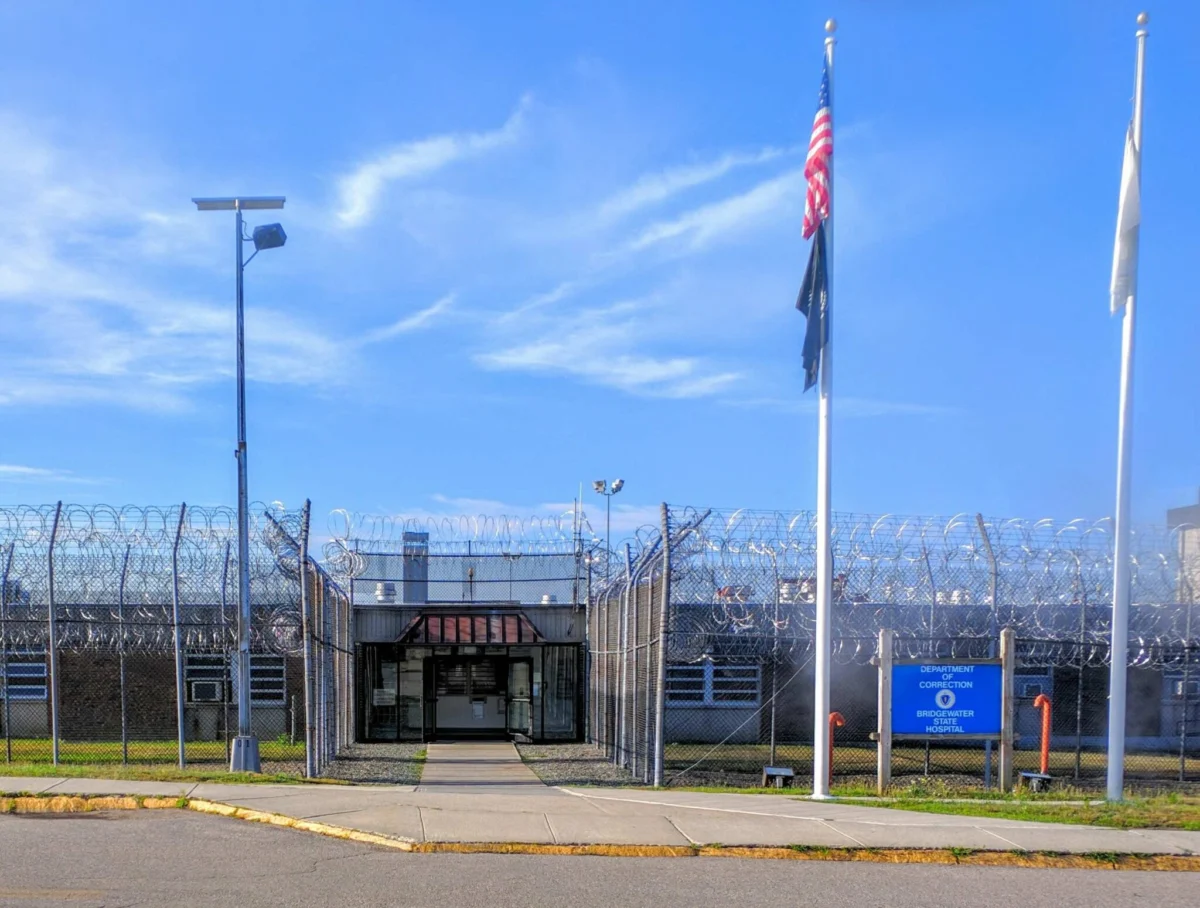
Wellpath’s behavioral health division rebranded as "Recovery Solutions" in January 2025. This new entity now manages jail-based restoration programs and forensic hospitals across the country, including the infamous Bridgewater State Hospital in Massachusetts. These companies operate on a "fixed per diem" model, creating a perverse financial incentive to minimize care while maintaining a "captive market" of incarcerated patients who cannot choose their providers.
The Legal Counter-Offensive
Conversely, class-action lawsuits are attempting to force states to adopt community-based models.
- Washington State (Trueblood): A federal court ruled that the state must provide restoration services within seven days. Washington has been found in contempt three times, accumulating hundreds of millions of dollars in fines for its failure to comply.
- New York (Legal Aid Society): In August 2025, a novel class-action lawsuit was filed invoking the Olmstead decision. The lawsuit argues that holding IST defendants in the "notoriously brutal" Rikers Island jail system violates their right to receive care in the most integrated, community-based setting possible.
Implications: A Crossroads for Disability Rights
The current obsession with "building more beds" signals a potential return to the era of mass institutionalization. This shift is being reinforced by recent developments within the federal government. In June, a Department of Justice "slip opinion" memo appeared to lay the groundwork for weakening the Olmstead mandate, which requires public entities to provide community-based services for people with disabilities.
The Housing Crisis Connection
Experts like former SAMHSA official Paolo del Vecchio argue that the "bed crisis" is a convenient distraction from the real issue: a total failure of the housing market. "States lack housing, which creates these bottlenecks," del Vecchio noted. "They don’t want to say that as it would violate Olmstead, so instead they point to IST."

Federal policy is increasingly shifting away from "Housing First" models—the only programs proven to stabilize the very population most likely to be funneled into the IST system. By psychiatrizing poverty, the state can justify "service-oriented" interventions like forced institutionalization rather than addressing the structural lack of affordable housing.
Conclusion
America stands at a critical juncture. One path leads back to the asylum—a world of refurbished buildings, private equity-run forensic wards, and the "racial criminal pathologization" of the poor. The other path requires a radical reinvestment in community integration, permanent supportive housing, and the dismantling of the "problem-creating courts" that have turned mental distress into a criminal offense.
The groundbreaking in Norwalk may have been framed as a "transformation," but without a shift away from carceral restoration and toward genuine community care, it remains a literal monument to a failed past. The "psychiatric bed crisis" is not a lack of furniture; it is a crisis of conscience in how the state chooses to treat its most vulnerable citizens.