








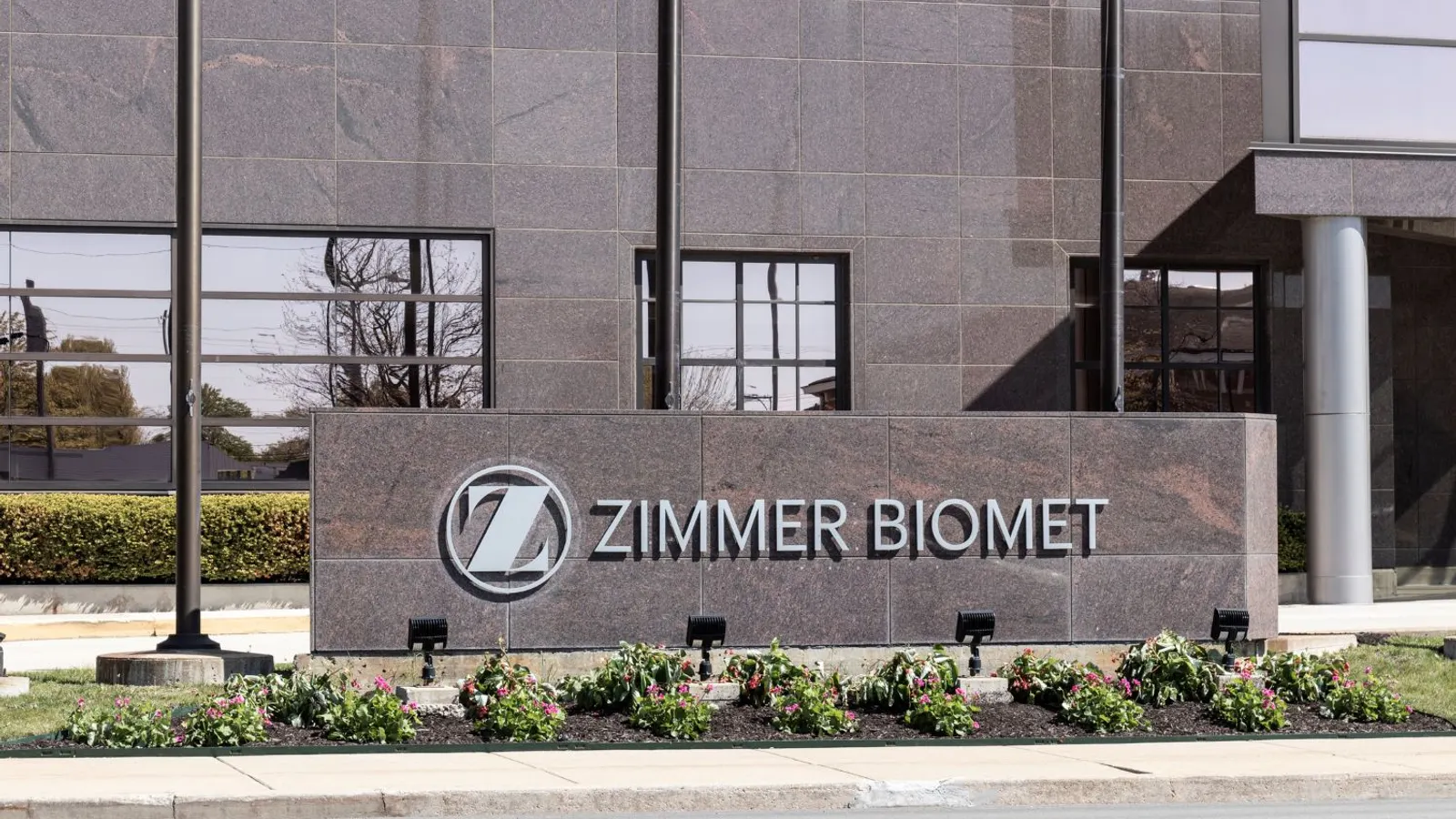
Medical device giant Zimmer Biomet is undergoing a significant transformation of its global manufacturing footprint, a move that signals a broader trend among multinational healthcare corporations seeking to balance operational efficiency with supply chain resilience. The latest chapter in this strategic shift involves a reduction in the workforce at the company’s long-standing production facility in Winterthur, Switzerland—a site that has served as a cornerstone of the company’s European operations for over two decades.
This strategic recalibration is not an isolated event but rather the latest phase in a multi-year effort to streamline operations, consolidate facilities, and migrate production to more cost-competitive, strategically advantageous geographies. As the company pivots toward a leaner, more agile manufacturing model, it is simultaneously investing in new, high-tech hubs in regions like Costa Rica, highlighting a clear transition in how global med-tech leaders view their manufacturing future.
The Evolution of the Winterthur Hub: A Historical Context
The Winterthur facility holds a storied place in the history of Zimmer Biomet. It entered the company’s portfolio in 2003 as part of a high-stakes acquisition of Centerpulse. At the time, the deal was the result of an intense bidding war against rival Smith & Nephew, underscoring the strategic value the industry placed on Centerpulse’s manufacturing capabilities and its Swiss footprint.
For years, Winterthur functioned as a bedrock of Zimmer’s production network. While the company underwent various waves of restructuring— shuttering facilities in Texas, California, and the United Kingdom—Winterthur consistently remained a primary site. However, the economic landscape of the mid-2020s has forced management to re-evaluate the utility of legacy sites in high-cost regions.
A Chronology of Retrenchment
The gradual downsizing of the Winterthur site did not occur overnight. It has been a decade-long process of shifting the company’s administrative and operational gravity:
- 2003: Zimmer acquires the Winterthur facility as part of the Centerpulse merger.
- 2020: The company shifts its European headquarters from Winterthur to Zug, Switzerland. This move involved the relocation of approximately 130 professional positions, signaling a reduction in the site’s administrative importance.
- 2022: Zimmer Biomet cuts 73 jobs at the Winterthur site as part of a broader cost-optimization initiative.
- 2024–2025: The company announces further headcount reductions, framing them as a necessary component of its global “manufacturing network optimization strategy.”
Strategic Rationales: Simplifying the Footprint
The primary driver behind these layoffs is a corporate-wide mandate to “simplify the manufacturing footprint and supply chain.” In the eyes of Zimmer Biomet’s leadership, the modern med-tech landscape demands an unprecedented level of efficiency.
By streamlining the number of facilities, the company aims to reduce overhead, eliminate redundant processes, and improve the agility of its supply chain. This is particularly relevant in the medical device sector, where regulatory compliance, quality control, and inventory management require a highly integrated and cohesive production network.
“Our goal is to position the business for long-term success,” the company stated in a recent briefing. This philosophy suggests that the company is moving away from the sprawling, multi-site model established through historical acquisitions, opting instead for a more centralized and technologically advanced production base.
Global Rebalancing: The Shift Toward Costa Rica
As Zimmer Biomet scales back in Switzerland, it is simultaneously accelerating its footprint in Costa Rica. This is not merely a cost-cutting exercise; it is a calculated effort to increase supply chain resilience.
During an earnings call last month, CEO Ivan Tornos highlighted the strategic imperative of this migration. By establishing a new manufacturing plant in Costa Rica, Zimmer Biomet is tapping into a region that has become a premier hub for the medical device industry. The site is expected to generate 500 jobs by 2033, serving as a critical node in the company’s future production network.
Why Costa Rica?
The shift to Costa Rica offers several distinct advantages for a company of Zimmer Biomet’s scale:
- Lower-Cost Geographies: While Switzerland offers high-end engineering talent, the cost of labor and operations is among the highest in the world. Costa Rica provides a more favorable cost structure without sacrificing the quality of the workforce.
- Supply Chain Resilience: Geographic diversification is crucial. By moving production closer to major North American markets and diversifying away from a heavy reliance on high-cost European centers, the company mitigates risks associated with geopolitical instability, logistics delays, and labor fluctuations.
- Proximity to Talent Clusters: Costa Rica has invested heavily in technical education and infrastructure for the life sciences sector, creating a ready-made ecosystem of skilled labor that can support complex medical device manufacturing.
Implications for the Workforce and Local Economy
The reduction of the workforce in Winterthur carries significant weight for the local community. Switzerland has long been a hub for high-precision manufacturing, and the loss of jobs at a major site like the one in Winterthur is often felt deeply.
From the company’s perspective, these moves are presented as a painful but necessary evolution of the business. However, for labor advocates and local economic planners, the trend of “hollowing out” legacy manufacturing sites in favor of emerging markets creates a challenging narrative. As Zimmer moves its administrative headquarters to Zug and its production roles to Costa Rica, the local economic ecosystem must adapt to the loss of high-value industrial employment.
The View from the C-Suite: Future-Proofing the Business
CEO Ivan Tornos has been vocal about the necessity of this pivot. On the company’s most recent earnings call, the leadership team emphasized that the "optimization" is not just about today’s balance sheet, but about building a structure that can survive the pressures of the next decade.
The medical device industry is currently facing a "perfect storm" of challenges:
- Inflationary Pressures: Rising costs of raw materials, energy, and labor have put pressure on margins.
- Regulatory Complexity: Navigating EU Medical Device Regulation (MDR) and other international standards requires heavy investment in compliance, making efficiency in other areas a top priority.
- Market Competition: With aggressive competitors constantly encroaching on market share, Zimmer Biomet must ensure its cost structure allows it to compete on price without sacrificing the innovation that defines its products.
Summary and Outlook
The transition occurring within Zimmer Biomet serves as a microcosm of the broader med-tech industry. The era of the "acquisition-led growth" model—where companies grew by absorbing competitors and maintaining their various plants—is being replaced by an era of "operational integration."
As the company proceeds with its reduction of the Winterthur site, the focus will inevitably shift toward the successful integration of the Costa Rica plant. If the company can successfully transition its manufacturing capacity while maintaining the high quality and regulatory standards that have defined its legacy, it will likely emerge as a leaner, more resilient competitor.
However, the human and local impact of these decisions remains a critical component of the story. The move from the industrial heartlands of Europe to the specialized hubs of Latin America reflects a fundamental change in the global economy. For Zimmer Biomet, the challenge will be to balance the cold, hard math of manufacturing efficiency with the long-term goal of sustaining its reputation as a leader in orthopedics and medical technology.
As shareholders, employees, and industry analysts watch this transition, the primary question remains: Can the company maintain its legacy of precision while fundamentally altering the geography of its production? The ongoing optimization strategy is not merely a logistical change; it is a declaration of intent for how the company plans to survive and thrive in an increasingly competitive global marketplace.