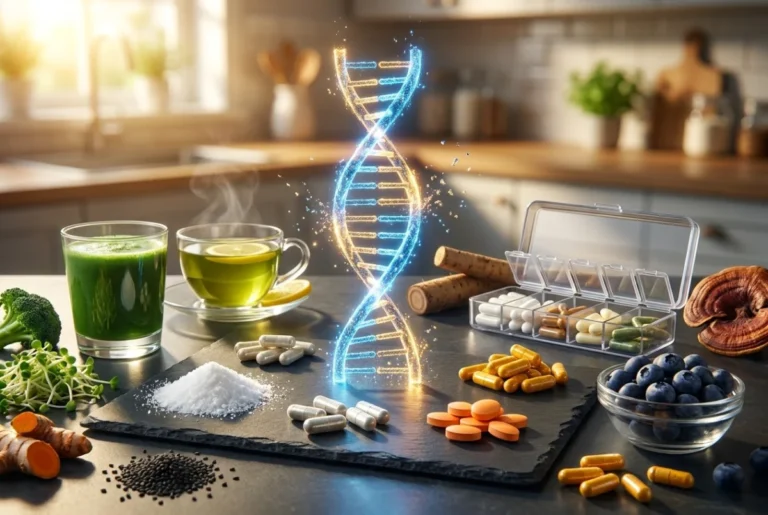










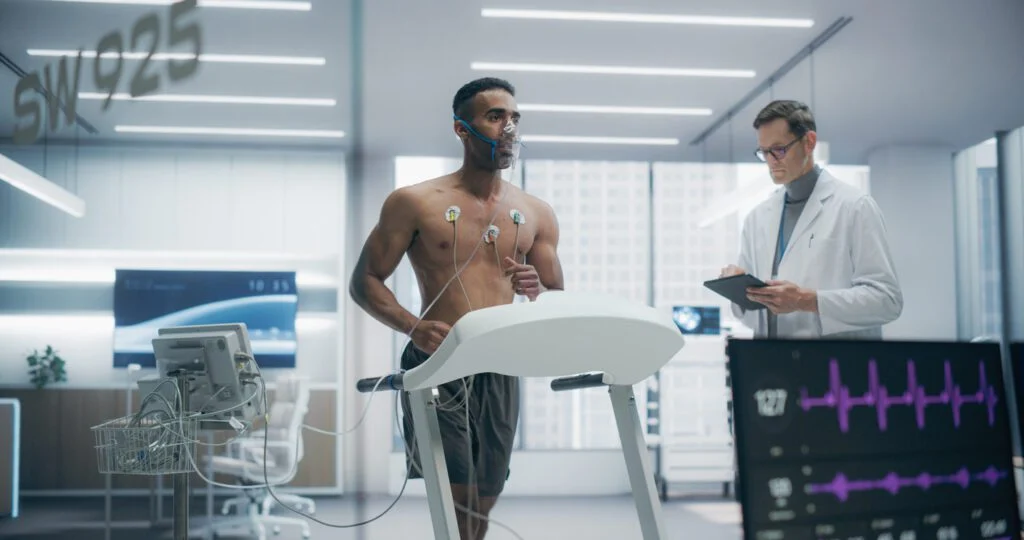
In the upper echelons of Silicon Valley, a new form of currency has emerged: the biological clock. While the world watches billionaire entrepreneur Bryan Johnson—the central figure of the Netflix documentary Don’t Die—as he undergoes a rigorous, multi-million-dollar regimen to "reverse" his age, a broader question is percolating through the wellness industry: Is the quest to hack our own biology a scientific breakthrough or a digital-age vanity project?
For years, we have measured our lives by chronological age—the simple tally of birthdays passed. But today, the focus has shifted to "biological age" (bio age), a metric that claims to reveal how fast your cells are actually aging compared to the rest of the population. As commercial testing kits flood the market, promising to quantify your internal decay, the line between medical necessity and speculative wellness has become increasingly blurred.
The Chronology of a Crusade: How "Bio Age" Became a Trend
The modern obsession with biological aging didn’t start in a vacuum. It was fueled by advancements in epigenetics—the study of how behaviors and environment can cause changes that affect the way your genes work.
- The Early Research: For decades, scientists studied telomeres (the protective caps on chromosomes) and DNA methylation to understand why some individuals age more rapidly than others. These were strictly laboratory tools meant for population-level research.
- The Rise of the "Bio-Hacker": Figures like Bryan Johnson transformed these obscure metrics into mainstream conversation. By publicizing his daily protocols—which range from hyperbaric oxygen therapy to experimental plasma infusions—Johnson turned bio-age testing into a competitive sport.
- The Commercial Explosion: As technology matured, the costs of testing plummeted. What once required specialized lab equipment can now be performed by mail-order kits. Podcasts hosted by figures like Peter Attia, Joe Rogan, and Andrew Huberman have brought these tests into the living rooms of millions, framing bio-age tracking as the ultimate "preventative medicine."
Supporting Data: What Exactly Are We Measuring?
To understand if you should pursue bio-age testing, you must first understand what the tests are actually checking. Most commercial kits focus on two primary mechanisms:
DNA Methylation (The "Epigenetic Clock")
This process involves the addition of a methyl group to DNA, which changes how genes are expressed. Researchers like Steve Horvath developed "clocks" that track these changes to estimate biological age. While these clocks are statistically correlated with mortality at a population level, they are not infallible. Critics note that these tests measure blood biomarkers, which may not reflect the aging process of your liver, heart, or brain.
Telomere Analysis
Telomeres act like the plastic tips on shoelaces, preventing chromosomes from fraying. As cells divide, these tips shorten. While extremely short telomeres are a marker for specific genetic diseases, their use as a precise "age tracker" for a healthy individual is debated. Current research suggests that while length is a general indicator of health, minor variations in a healthy adult may not carry the predictive weight that marketing materials imply.
The "Free" Frontier: Low-Tech Indicators of Vitality
Before you spend hundreds of dollars on a proprietary kit, it is worth noting that some of the most reliable predictors of longevity are entirely free. Scientists have long used physical performance tests to gauge a person’s "pace of aging."
- The Sitting-Rising Test (SRT): A measure of musculoskeletal strength and balance. If you struggle to lower yourself to the floor and stand back up without using your hands or knees for support, it may indicate a need for targeted strength training.
- Grip Strength: Often cited as a superior indicator of longevity compared to blood pressure, grip strength correlates with overall muscle mass and systemic health.
- The Balance Test: The ability to stand on one foot for 10 seconds is a surprisingly accurate predictor of fall-risk and all-cause mortality in middle-aged and older adults.
- Fatiguability: Using the Pittsburgh Fatigability Scale, individuals can track how their bodies respond to exertion. Persistent exhaustion after minor activities is a significant warning sign that often warrants a clinical visit.
Official Responses and Scientific Skepticism
The medical community remains cautious, and at times, openly critical of the "bio-hacking" trend. A prominent New York Times exposé recently challenged the claims of high-profile figures like Johnson, reporting that his biological age—according to some metrics—actually increased by 10 years despite his extreme interventions.
Medical professionals argue that the human body is not a single machine but a complex system of organs that age at different rates. A blood-based test that gives you a single "age" number can be misleading. For example, your cardiovascular system may be thriving, while your metabolic health is declining.
Furthermore, there is the risk of "data paralysis." When patients receive a number that says they are "50 years old" when they are actually 40, it can lead to unnecessary anxiety. Conversely, receiving a "young" score might give a person a false sense of security, encouraging them to ignore traditional, evidence-based health markers like cholesterol, fasting glucose, and blood pressure.
The Implications: Moving From Data to Action
If you choose to pursue bio-age testing, the most important question is not "What is my score?" but "What will I do with this information?"
Data in isolation is useless. The true value of these tests lies in their ability to serve as a baseline. If your results motivate you to prioritize sleep, manage stress, or increase your strength training, they have served their purpose. However, if you are simply collecting data points while ignoring the "evergreen" health habits, you are wasting your resources.
The Pillars of Real Longevity
Regardless of what your DNA methylation test says, the path to a longer, healthier life remains consistent:
- Consistent Movement: Strength training and aerobic activity are the most potent anti-aging drugs available.
- Nutritional Quality: Focusing on nutrient-dense, whole foods rather than trendy supplements.
- Stress Management: Chronic stress is a primary driver of cellular aging.
- Sleep Hygiene: Quality sleep is non-negotiable for biological repair.
A Balanced Approach for Professionals
For health and fitness professionals, the rise of bio-age testing presents an opportunity to pivot toward a more data-driven practice. However, the role of the coach remains vital. Clients are often overwhelmed by the noise of the wellness industry. A professional can help bridge the gap between complex, often confusing biomarker data and the actual, behavioral changes required to improve that data.
Ultimately, biological age testing is an invitation to take an interest in your internal health. But don’t let the quest for a lower number distract you from the fundamentals. Your health is not defined by a lab report or a "clock"—it is defined by how you move, eat, recover, and live every single day. Before turning to expensive, high-tech diagnostics, ensure you have mastered the simple, boring, and remarkably effective habits that have defined human vitality for centuries.