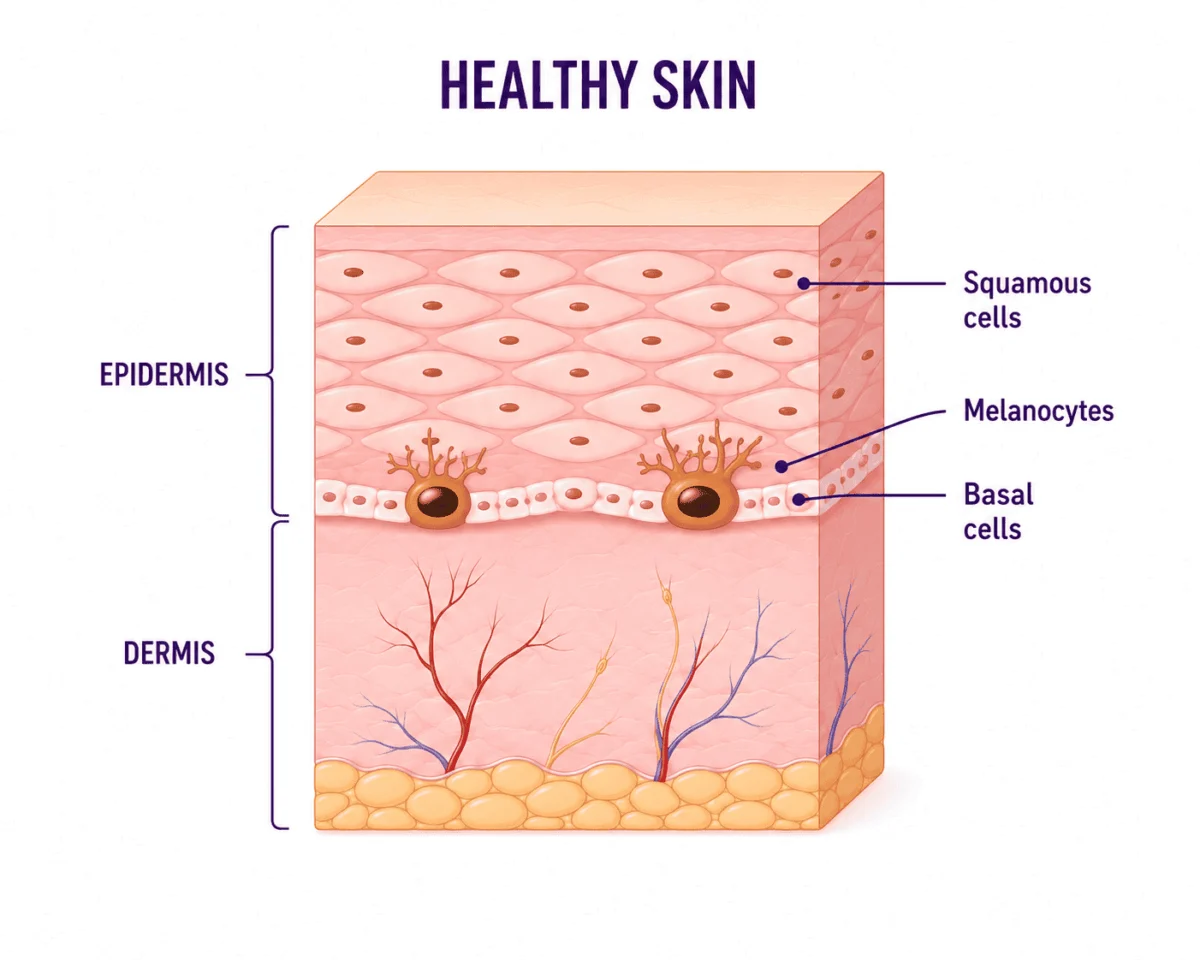
Your skin is not merely a covering; it is the human body’s largest and most exposed organ. It acts as our primary defense against the environment, yet it remains uniquely vulnerable to the invisible, persistent threat of ultraviolet (UV) radiation. As we observe July as Ultraviolet (UV) Radiation Safety Awareness Month, the Cancer Research Institute (CRI) emphasizes a dual-pronged approach to skin health: rigorous prevention and the continuous advancement of life-saving medical science.
While the statistics surrounding skin cancer can be daunting, the narrative is shifting. Through a combination of public awareness regarding sun safety and revolutionary breakthroughs in cancer immunology, the outlook for patients—even those facing advanced diagnoses—has never been more promising.
The Invisible Threat: Understanding UV Radiation
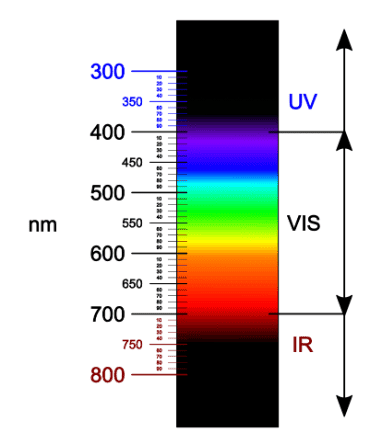
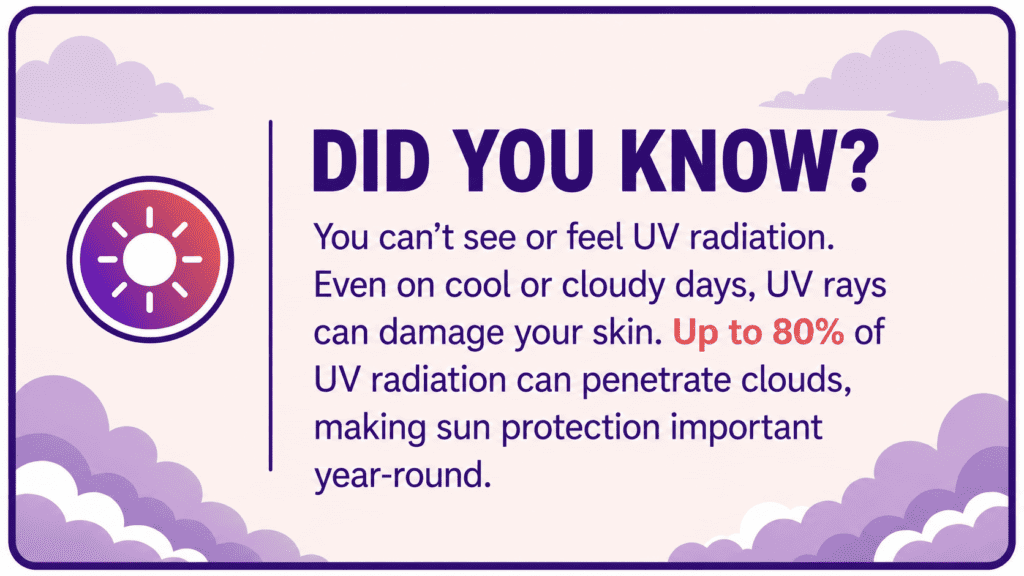
UV radiation is a form of electromagnetic energy that remains invisible to the human eye. With wavelengths spanning 100 to 400 nanometers, these rays occupy a space on the spectrum shorter than visible light but longer than X-rays. While the sun is the primary source of these rays, artificial exposure through tanning beds poses a parallel, significant risk.
The Mechanics of Damage
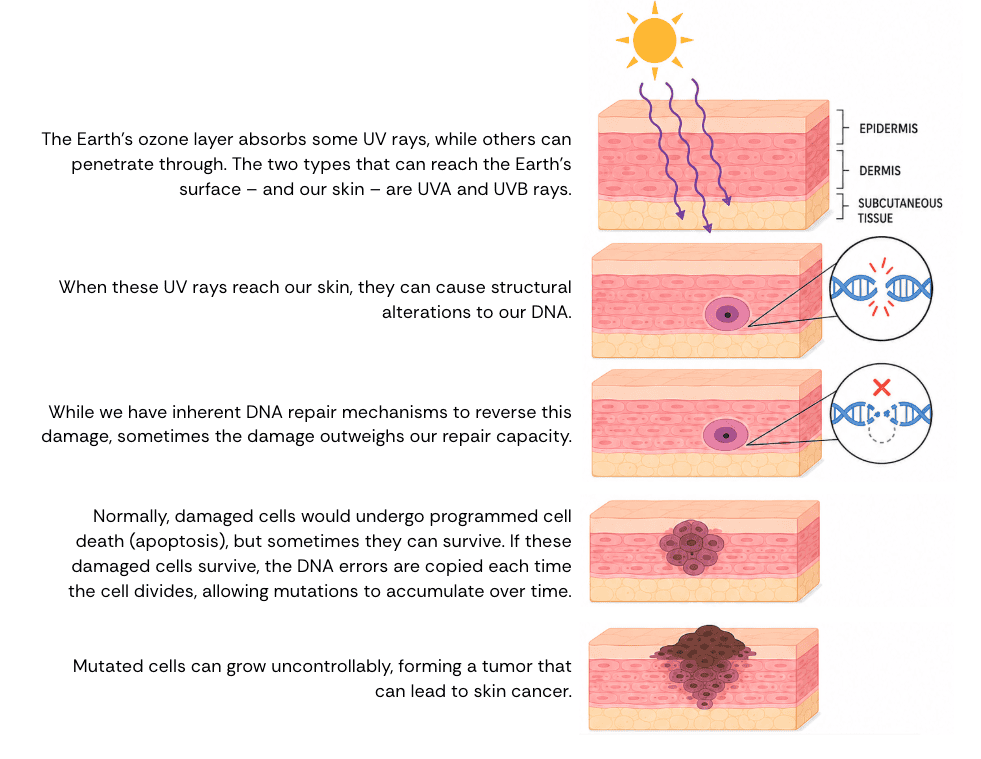
The biological impact of UV exposure is cumulative. Each instance of unprotected sun exposure causes DNA damage within the skin’s cells. Over time, these mutations accrue, eventually overwhelming the body’s natural repair mechanisms. When these mutations occur in critical genes, they can cause cells to grow uncontrollably, leading to the formation of tumors.
Protecting the skin with broad-spectrum sunscreen (SPF 30 or higher) and protective clothing is not just a seasonal suggestion; it is a fundamental health necessity. By physically or chemically blocking these rays, we prevent the "first strike" of DNA damage that initiates the cancer cycle.
A Chronology of Hope: From Diagnosis to Remission
To understand the current landscape of oncology, one must look at the historical trajectory of melanoma treatment. Decades ago, a diagnosis of Stage 4 melanoma was almost universally considered a terminal event. Today, that narrative has been rewritten by the rise of immunotherapy.
The Milestone of Immune Checkpoint Inhibitors (ICIs)
The most significant turning point in this field was the development of Immune Checkpoint Inhibitors (ICIs). Tumors are masters of deception; they often "cloak" themselves by activating the body’s natural "off switches" (checkpoints) to avoid detection by the immune system. ICIs act as a master key, releasing these brakes and allowing the body’s T-cells to recognize and eliminate malignant cells.
The Human Element: The Story of Sharon Belvin
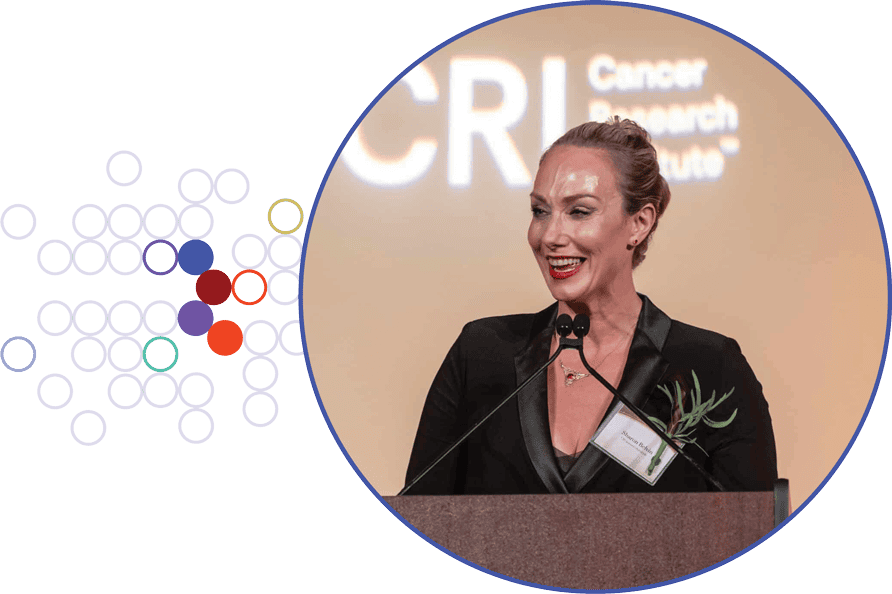
The success of this science is best illustrated by the story of Sharon Belvin. In her early twenties, Sharon was diagnosed with Stage 4 melanoma. With conventional treatments failing, she became one of the first patients to enroll in an early clinical trial for an ICI.
The results were nothing short of miraculous. Sharon has remained cancer-free for over two decades. Her journey is deeply intertwined with the work of Dr. James P. Allison, the Director of CRI’s Scientific Advisory Council, whose pioneering research into T-cell biology earned him the 2018 Nobel Prize in Physiology or Medicine. Dr. Allison’s work did more than advance a theory; it provided the scientific foundation that gave Sharon—and thousands like her—a future.
Supporting Data: The Current Landscape of Skin Cancer
While immunotherapy has been a triumph, the clinical reality is that it is not a universal panacea. Current data suggests that between 30% and 50% of patients with advanced melanoma do not respond to standard ICI therapy.
This gap in efficacy is the primary focus of contemporary research. The scientific community is currently grappling with two main questions:
- Why do some patients resist immunotherapy?
- How can we identify responders earlier in the treatment process?
Researchers are moving beyond simple genomic sequencing to analyze the "tumor microenvironment"—the complex ecosystem of cells surrounding a tumor. By studying the architecture of these environments, scientists are identifying markers that dictate whether a patient is likely to respond to treatment.
Official Perspectives: Mapping the "Cellular Neighborhoods"
Dr. Katie Campbell, a former CRI Postdoctoral Fellow and current researcher at UCLA, is at the forefront of this investigative frontier. Her work focuses on the spatial arrangement of immune cells within the tumor, which she refers to as "cellular neighborhoods."
The "Bike Race" Analogy
Dr. Campbell describes the movement of immune cells using a compelling analogy: "It’s like taking a picture of a bike race before it starts. Before the race, you can just say there’s a bunch of bikes. Once they’re moving, you can say which cyclists are at the front of the pack versus the back—and you can do a lot more inference about what’s happening."
By comparing biopsies taken before and during treatment, Dr. Campbell’s team captures the immune system in motion. This dynamic data provides a clearer picture of whether a patient’s immune system is actually "engaging" with the cancer.
The Clinical Implication
The broader vision for this research is "smarter, earlier intervention." Currently, patients may cycle through several ineffective treatments, losing both time and physiological strength. By using spatial analysis to predict response, clinicians hope to tailor therapy at the point of diagnosis, ensuring that the most effective, personalized treatment is deployed when it is most likely to succeed.
Implications for Public Health and Future Research
The synergy between prevention and research defines the modern approach to skin cancer. On one side, public health initiatives continue to drive down the incidence of UV-induced damage through education on sunscreen, hats, and UV-avoidance behaviors. On the other, the scientific community is building a sophisticated, precision-medicine framework to treat those for whom prevention came too late.
The Economic and Human Cost
The human cost of skin cancer is immeasurable, but the economic burden is also significant. Early detection and prevention reduce the need for intensive, high-cost systemic therapies. However, when advanced cancer does develop, the investment in immunotherapy pays dividends in the form of decades of life saved, as evidenced by the long-term survival of patients like Sharon Belvin.
Looking Toward the Future
The goal of the Cancer Research Institute and the global research community is to reach a future where "advanced" no longer implies "incurable."
Key areas of ongoing study include:
- Combination Therapies: Using multiple types of immunotherapy to bypass tumor resistance.
- Predictive Biomarkers: Using imaging and biopsy data to select patients for specific treatments.
- Early-Stage Immunotherapy: Exploring if stimulating the immune system earlier can prevent recurrence in high-risk patients.
Conclusion: A Call to Action
July serves as a vital reminder of our responsibility to our own bodies. Your skin is the first line of defense, and protecting it is the simplest, most effective cancer prevention strategy available.
However, should the path lead to a cancer diagnosis, know that the field of immunology is moving faster than ever before. From the laboratory of Dr. James P. Allison to the cutting-edge research of Dr. Katie Campbell, the scientific mission is clear: to ensure that the immune system, our most powerful natural defense, is fully empowered to protect us.
Whether you are applying a high-SPF sunscreen at the beach today or supporting the fundamental research that will lead to tomorrow’s breakthroughs, you are part of a global effort to redefine the human experience with skin cancer. Every step—from the mundane act of wearing a hat to the profound act of funding clinical trials—moves us closer to a world where fewer people develop skin cancer, and significantly more survive it.
For more information on skin cancer prevention, current clinical trials, or how you can support immunotherapy research, visit the Cancer Research Institute website.