







In the modern American supermarket, the word "protein" has evolved from a basic nutritional requirement into a marketing golden ticket. From protein-infused sodas and coffee to snack bars and breakfast cereals, the industry is racing to fortify everything. Yet, for nutritionists and public health experts, this obsession presents a baffling contradiction: the average American is already consuming nearly double their physiological requirement for protein.
As the food industry doubles down on this "protein-plus" strategy, consumers are being sold a solution to a problem that, for the vast majority, does not exist. This article explores the economic, nutritional, and industrial landscape of the Great Protein Craze, examining why the market is pushing a surplus and the potential risks hidden behind the "health halo" of highly processed products.
Main Facts: The Protein Excess
The fundamental reality of American nutrition is that protein deficiency is virtually non-existent in anyone who consumes sufficient calories. Protein is the building block of life, found abundantly in legumes, grains, nuts, seeds, dairy, meat, and vegetables. Unless an individual is experiencing extreme food insecurity or severe caloric restriction, achieving the recommended daily allowance (RDA) is almost automatic.
Despite this, the food industry has identified protein as the ultimate "growth opportunity." By adding protein isolates to products that are traditionally void of the nutrient, manufacturers can charge a premium, repositioning junk food as "functional nutrition." This has led to a market saturation where consumers are paying extra for a nutrient they likely excreted in excess the day before.
Chronology of the Protein Craze
The evolution of the protein trend can be categorized into three distinct phases:
- The Fitness Niche (Early 2000s–2015): Protein was strictly the domain of bodybuilders and elite athletes. The market was dominated by chalky, unpalatable powders and specialized supplements sold in gyms and health stores.
- The Mainstreaming (2016–2022): Brands realized that "healthy" was the most effective marketing angle for the general public. Protein began appearing in mainstream snacks, yogurts, and cereals. The messaging shifted from "muscle gain" to "satiety and energy."
- The "Protein Everything" Era (2023–Present): We are now in the era of radical expansion. Protein is being added to coffee, soda, water, and ultra-processed baked goods. Simultaneously, the industry is grappling with supply chain volatility, as global demand for protein isolates—particularly whey—outstrips current production capacity.
Supporting Data: Supply and Demand
The current market landscape is fraught with instability. As companies scramble to keep up with the trend, they are facing a severe shortage of high-quality protein powders. This has created a logistical nightmare: manufacturers must decide whether to absorb rising costs or pass them onto a consumer base already exhausted by prolonged inflation.
The Innovation Frontier
The industry is not just adding protein to existing products; it is inventing new categories. Beverage innovation has become a primary target. From cold-brew coffees fortified with whey to carbonated drinks boasting "10 grams of protein," the goal is to make protein consumption effortless and ubiquitous.
However, this innovation is not without its failures. The push for "alternative" proteins, such as insect-based powders, has hit a wall. Despite the initial hype regarding sustainability and high nutrient density, the sector is currently suffering from high production costs, low consumer appetite, and several high-profile business failures.
The "Health Halo" Paradox: Processed vs. Nutritious
Perhaps the most significant concern among nutritionists is the "Protein vs. Processing" paradox. The food industry is currently using protein as a shield to hide the nutritional deficiencies of ultra-processed foods.
When a manufacturer takes a low-quality, highly processed snack bar and injects it with soy or whey protein isolate, the front of the packaging screams "High Protein!" while the ingredients list reveals a cocktail of refined sugars, artificial sweeteners, binders, and processed fats. By adding protein, companies are building a "health halo" around products that, from a metabolic standpoint, remain junk food. The danger here is that consumers are substituting whole, nutrient-dense foods for these fortified, processed alternatives under the false impression that they are making a superior health choice.
Implications for Public Health and the Future
The obsession with protein has significant implications for how we view food.
The Peptide Trend
While the protein craze continues to expand, a sub-trend has emerged: the rise of peptides. These smaller chains of amino acids are being marketed as "biohacks" that can provide targeted health benefits, from skin health to cognitive function. While the science behind dietary peptides is in its infancy and often lacks rigorous clinical evidence, the industry is positioning them as the next frontier in functional foods. AI-driven discovery is currently being used to identify new peptide sequences, suggesting that the "protein" trend is far from reaching its ceiling.
The Shift Toward Whole Foods
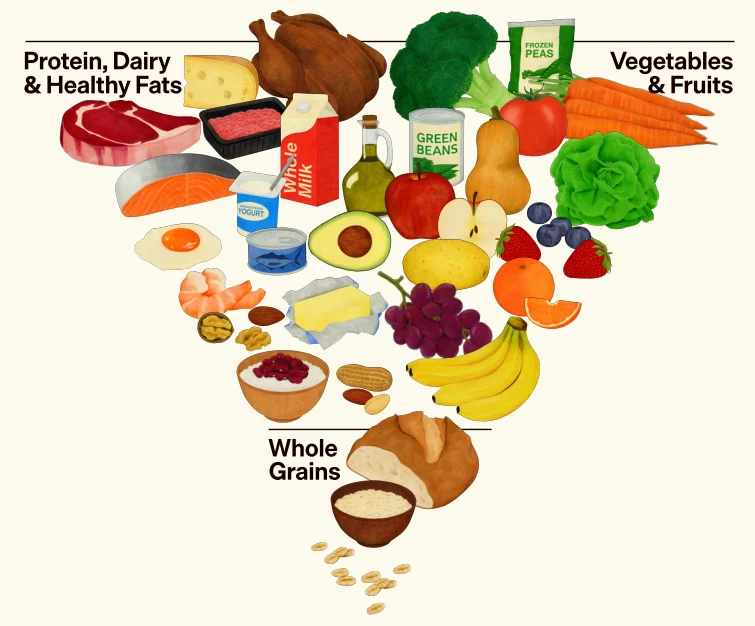
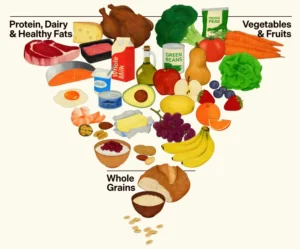
For those looking to optimize their protein intake, the advice from the nutrition community remains simple: prioritize whole food sources. Plant-based proteins—when consumed in variety—are more than sufficient to provide all essential amino acids.
- Complementary Proteins: The old myth that plant sources are "incomplete" is largely irrelevant when one eats a diverse diet. Pairing grains (like rice or wheat) with legumes (like beans or peanuts) provides a complete amino acid profile.
- Cost-Efficiency: Whole foods are significantly cheaper than the marked-up, fortified products crowding the center aisles of the grocery store.
Conclusion: A Call for Skepticism
The "protein craze" is a masterclass in modern food marketing. It has successfully convinced a population that is already over-consuming nutrients to seek out more, often in the form of expensive, highly processed additives.
As we look toward 2026 and beyond, the industry will undoubtedly continue to search for new "growth niches." However, consumers should approach these products with a healthy degree of skepticism. Protein is an essential building block of the human body, but it is not a magic bullet. By focusing on whole, unprocessed sources rather than the latest fortified soda or "biohacked" peptide snack, individuals can achieve better health outcomes without the unnecessary costs—both to their wallets and their metabolic health—imposed by the current industrial trend.
The next time you see a label boasting "High Protein," ask yourself: Does this product offer nutritional value, or is it simply a clever way to sell a commodity at a premium price? In most cases, the answer is a sobering reminder of the power of food marketing over evidence-based nutrition.