








For the millions living with Ehlers-Danlos syndrome (EDS), summer is often viewed with a mixture of trepidation and careful strategy. Research indicates that approximately 80% of individuals with hypermobile EDS also contend with dysautonomia—a group of conditions characterized by the autonomic nervous system’s inability to regulate involuntary body functions. As temperatures rise, the season shifts from a time of outdoor leisure to a period of survival.
While the medical community offers various protocols for managing heat intolerance, one simple, highly effective intervention is frequently overlooked in Western culture: the UV-blocking sun umbrella, or parasol. By providing a portable, immediate microclimate of shade, this tool offers more than just sun protection—it serves as a critical medical accommodation for those whose bodies cannot easily compensate for the physiological demands of heat.
The Physiological Challenge: Heat and the Dysautonomic Body
To understand why a sun umbrella is more than a fashion accessory, one must first understand the mechanical struggle of a dysautonomic body during a heatwave.
In a healthy individual, exposure to heat triggers the autonomic nervous system to dilate peripheral blood vessels, allowing blood to move closer to the skin’s surface to dissipate heat through sweat and radiation. Simultaneously, the body maintains blood pressure by increasing heart rate and constricting vessels in other areas.
For those with dysautonomia, this process is frequently impaired. Heat acts as a vasodilator, further exacerbating the venous pooling common in conditions like Postural Orthostatic Tachycardia Syndrome (POTS). When blood vessels remain dilated, the heart must work significantly harder to pump oxygenated blood to the brain. This leads to the hallmark symptoms of summer dysautonomia: severe dizziness, lightheadedness, crushing fatigue, "brain fog," nausea, and tachycardia. When the environment is hot, the body is effectively fighting a losing battle to maintain homeostasis, making simple activities—like standing at a bus stop or walking to a store—prohibitively difficult.
A Personal History of Adaptation: Lessons from Japan
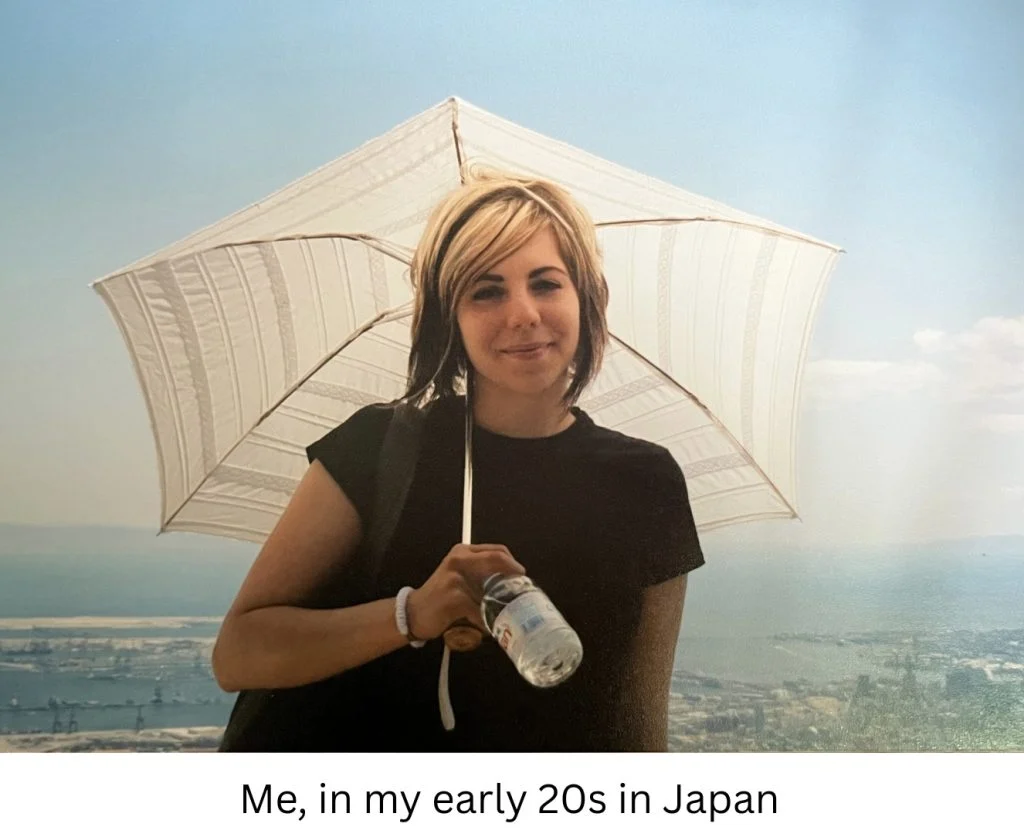
The author’s journey toward embracing the sun umbrella began long before a formal diagnosis, during a period of living and working in Japan. Japanese summers are notoriously unforgiving, characterized by intense heat and oppressive humidity. For someone whose autonomic system was already struggling, these months were a test of endurance.

Teaching in a classroom required long periods of standing, and commuting necessitated significant walking under the direct sun. It was here that the utility of the parasol became undeniable. Beyond the immediate relief from the sun’s rays, the umbrella served a dual purpose: it provided a barrier for those with chemical sensitivities to sunscreens. In Japan, where roughly 47.4% of the population utilizes sun umbrellas as a standard health precaution, the tool is viewed not as an eccentricity, but as a practical necessity for daily life.
The Physics of Shade: Supporting Data
The efficacy of a sun umbrella is rooted in basic thermodynamics. Research published in journals such as the Journal of the Meteorological Society of Japan highlights that high-quality UV-blocking parasols can lower the temperature felt by the individual by approximately 7°F to 9°F (4°C to 5°C).
By blocking direct solar radiation, these umbrellas prevent the body from absorbing the heat that triggers the autonomic cascade. For a dysautonomic patient, a reduction of even a few degrees can be the difference between feeling stable and experiencing a syncopal episode.
Key Features of Effective Sun Umbrellas
Not all umbrellas are created equal. When selecting a parasol for health management, individuals should look for the following specifications:
- UPF Rating: Look for a Ultraviolet Protection Factor (UPF) of 50+. This ensures that the fabric is specifically engineered to block both UVA and UVB rays.
- Reflective Coating: A high-quality sun umbrella often features a silver or light-colored reflective lining on the interior, which bounces heat away from the user rather than absorbing it.
- Wind Resistance: Given the increased likelihood of dizziness, a lightweight, wind-resistant frame is essential to ensure the umbrella is easy to maneuver without requiring excessive physical exertion.
- Portability: Compact, telescoping designs allow the user to keep the tool in a handbag or tote, ensuring it is always available when the sun unexpectedly emerges.
The Cultural Divide and the Path to Normalization
Despite the clear health benefits, the adoption of sun umbrellas in the West remains slow. In many North American and European cities, the parasol is still occasionally met with confusion. Individuals often report being asked if they are expecting rain, or why they are using an umbrella on a clear, sunny day.
However, the narrative is beginning to shift. As public awareness of invisible disabilities like POTS and EDS grows, so too does the acceptance of adaptive tools. Just as mobility aids, compression garments, and cooling vests have become more normalized, the sun umbrella is slowly gaining recognition as a "wearable" health accommodation.

Implications for Public Health and Accessibility
The integration of sun protection into a chronic illness management plan has significant implications for quality of life. For many, the fear of a "flare" during summer months leads to social isolation, as patients choose to stay indoors rather than risk the physical fallout of heat exposure.
By utilizing a sun umbrella, patients can reclaim parts of their lives that were previously deemed "too dangerous" or "too draining." Whether it is attending a graduation, walking through a city center, or spending time at a park with family, the parasol acts as a portable, immediate safety net.
A Multimodal Approach to Summer Survival
It is important to emphasize that while the sun umbrella is a powerful tool, it is rarely a standalone solution. Successful heat management for dysautonomia is inherently multimodal:
- Hydration and Electrolytes: Increasing salt and fluid intake is foundational to maintaining blood volume.
- Compression: The use of medical-grade compression stockings helps counteract venous pooling in the lower extremities.
- Cooling Technology: Beyond the umbrella, cooling neck towels, portable fans, and ice packs can help regulate core body temperature.
- Pacing: Perhaps most importantly, individuals must practice radical pacing, recognizing their limits and modifying activities to ensure they do not overexert themselves during peak heat hours.
Conclusion: Simplicity as a Strategy
In the world of chronic illness, we are often searching for complex medical interventions, pharmaceuticals, or high-tech solutions. While these have their place, the power of a simple, low-tech intervention should not be underestimated.
For the person living with dysautonomia, the summer season does not have to be a period of total confinement. By adopting a "shade-first" mentality and utilizing tools that protect against the direct physiological toll of the sun, patients can significantly expand their boundaries.
The sun umbrella is more than a piece of nylon and wire; it is a declaration of autonomy. It is a way to tell the environment that you are going to participate, that you are going to be present, and that you have the tools to do so safely. If carrying a parasol helps you stay cooler, feel more stable, and enjoy the company of those you love, the curious looks from passersby are a small price to pay for the freedom that shade provides. As we navigate the coming months, consider adding this simple, age-old tool to your toolkit. Sometimes, the most effective medical accommodations are the ones we carry in our hands.