










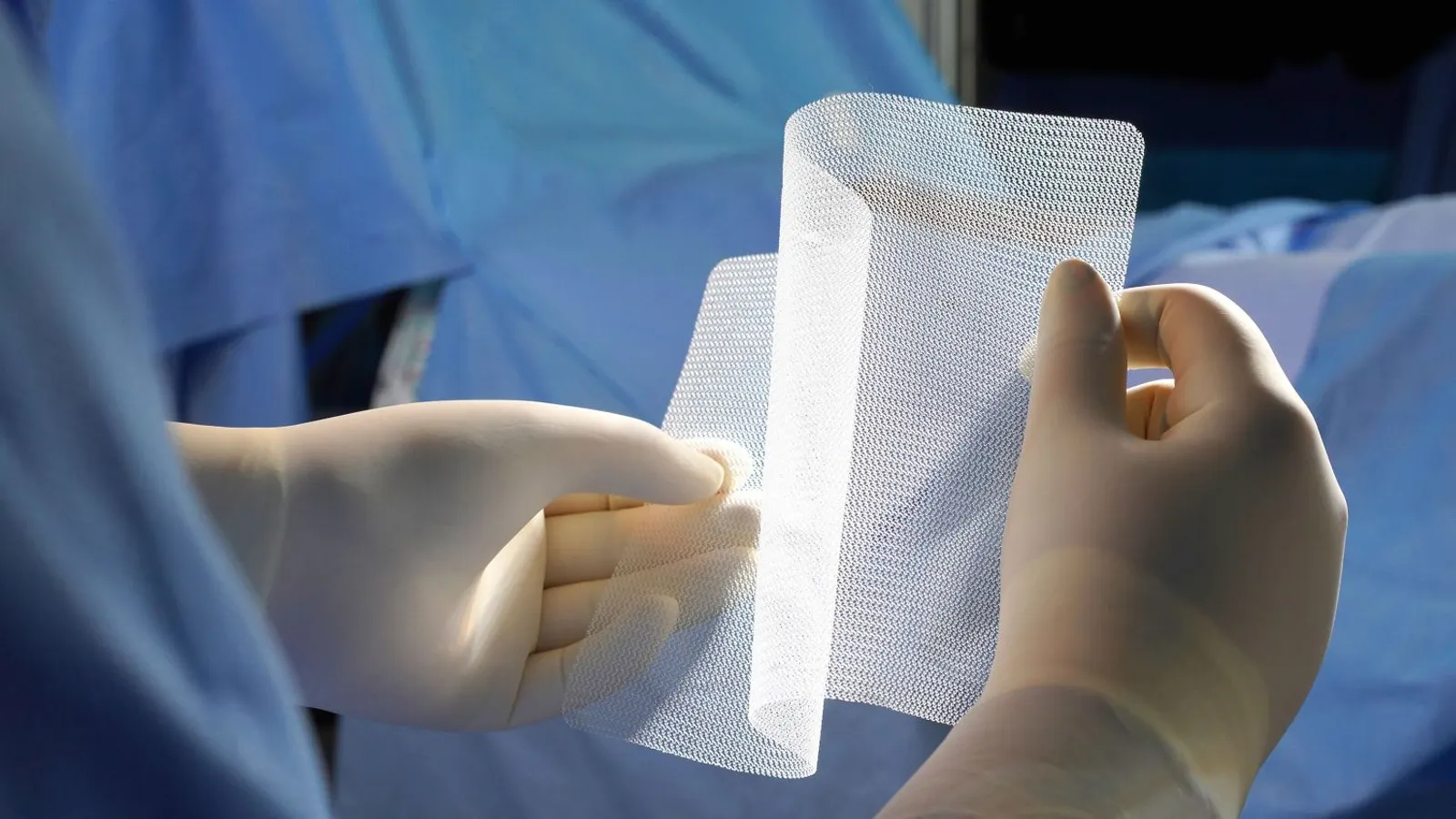
Medical technology giant BD (Becton, Dickinson and Company) has announced a pivotal achievement in its long-term strategic roadmap: the completion of patient enrollment for its PREVENT clinical trial. This study evaluates the efficacy of the company’s Phasix resorbable mesh in the prophylactic prevention of incisional hernias—a common and debilitating complication arising from elective abdominal surgeries.
This development marks a significant shift in how the company positions its "advanced tissue regeneration" portfolio, moving from reactive repair solutions to proactive, preventative medicine. As the company continues to recover from legacy legal challenges associated with its hernia mesh business, this clinical milestone represents a strategic pivot toward innovation and evidence-based growth.
The Clinical Challenge: Addressing Incisional Hernias
Incisional hernia remains a primary concern for surgeons and patients alike. It is a frequent postoperative complication occurring when the abdominal wall fails to heal properly following an elective midline laparotomy—a procedure involving a large incision through the abdomen. These hernias not only cause physical discomfort and aesthetic concerns but often necessitate secondary, high-risk corrective surgeries, significantly increasing the burden on healthcare systems.
BD’s approach to this challenge involves the use of Phasix, a resorbable mesh designed to provide structural support during the critical early stages of tissue healing before being gradually absorbed by the body. By investigating the mesh’s utility in a preventative capacity, BD aims to reduce the incidence of these complications before they have the chance to manifest, potentially changing the standard of care for abdominal surgery patients.
A Chronology of Innovation and Integration
To understand the significance of this milestone, one must look at the evolution of BD’s surgical unit over the past decade.
- 2015: The Phasix resorbable mesh receives FDA clearance, initially targeted at hernia repair settings. This marked the introduction of a material designed to minimize the long-term foreign body footprint typically associated with permanent synthetic meshes.
- 2017: BD completes its $24 billion acquisition of C.R. Bard. This merger significantly expanded BD’s footprint in the surgical and interventional markets, bringing a vast portfolio of hernia repair products under the BD umbrella.
- 2020s: As BD integrated the Bard assets, it faced a wave of litigation regarding adverse events linked to earlier, non-resorbable mesh technologies. This period of legal headwinds underscored the need for the company to emphasize its newer, more advanced, and biocompatible technologies.
- 2024–2025: Long-term clinical data on Phasix, published in leading medical journals, began to confirm the device’s safety profile, specifically regarding the absence of chronic pain and infection often associated with older mesh designs.
- 2026 (Present): The completion of enrollment for the PREVENT trial signifies the next logical step: expanding the label of a proven product into the preventative space, effectively broadening the clinical utility of the Phasix platform.
Supporting Data and Financial Performance
The investment in the PREVENT trial is supported by a robust financial tailwind. In its third-quarter financial results for fiscal year 2026, BD reported double-digit growth in its surgery unit, specifically driven by the infection prevention and advanced tissue regeneration portfolios.
This growth trajectory has emboldened leadership to continue investing in clinical trials. CEO Thomas Polen has been vocal about the importance of these studies, stating during the Q3 earnings call that the company expects "strong growth going forward." According to Polen, the strategy is to leverage the company’s unique biomaterials and move them into "new indications to continue to expand our presence in those spaces."
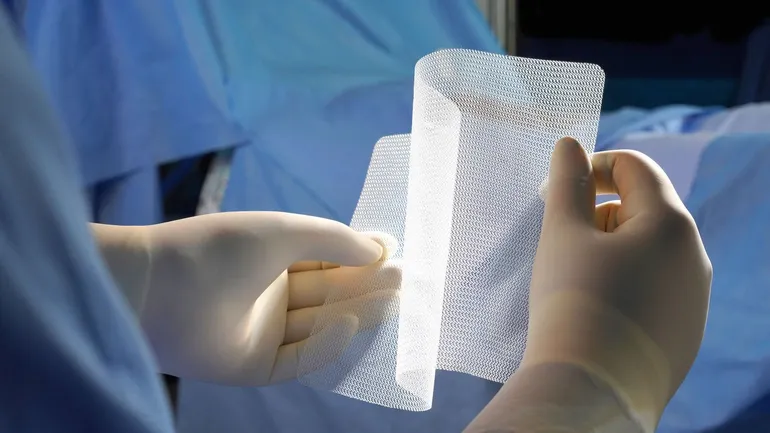
The PREVENT trial acts as the engine for this expansion. By generating high-quality, peer-reviewed evidence, BD is not just selling a device; it is building a clinical case for the necessity of preventative mesh in elective surgeries. This data-driven approach is essential for gaining regulatory approval for new indications and for securing favorable reimbursement pathways from insurance providers.
Official Responses and Strategic Vision
The sentiment from BD leadership reflects a company eager to define itself by its future innovation rather than its past disputes. Rian Seger, the worldwide president of surgery at BD, framed the completion of enrollment as a defining moment for the company’s surgical division.
"Evaluating Phasix in hernia prevention builds on decades of innovation in abdominal wall surgery," Seger stated. "It will generate evidence that could help broaden the role of regenerative technologies for patients at risk of post-surgical complications."
For the medical community, the message is clear: BD is prioritizing "advanced tissue regeneration" as a core pillar of its growth strategy. The company is positioning itself to provide a comprehensive solution that spans the entire surgical continuum—from the initial incision to long-term tissue health. By focusing on resorbable materials, BD is attempting to align its products with modern surgical preferences that favor minimal long-term patient impact.
Implications: The Future of Abdominal Surgery
The implications of the PREVENT trial extend far beyond the balance sheet. If the trial demonstrates that prophylactic mesh usage significantly reduces the rate of incisional hernias, it could lead to a fundamental shift in surgical protocols.
1. Clinical Impact
A reduction in incisional hernias means fewer reoperations, less patient pain, and reduced recovery times. For high-risk patients—such as those with obesity, diabetes, or complex abdominal conditions—a preventative mesh could be the difference between a successful recovery and a chronic, recurring condition.
2. Market Positioning
By moving into the preventative space, BD is expanding its "total addressable market." Instead of only competing for the repair market (where the hernia has already occurred), the company is positioning Phasix as a standard-of-care tool for all open midline laparotomies. This effectively turns a repair device into a routine surgical supply, significantly increasing the volume of potential usage.

3. Legal and Reputational Recovery
While the company continues to navigate the complexities of legacy mesh litigation, the success of a modern, scientifically rigorous trial like PREVENT serves as a vital reputational asset. By championing a product that emphasizes safety and biological integration, BD is actively steering the narrative toward a future where their technologies are viewed as "solutions" rather than "risks."
4. Competitive Landscape
The surgical mesh market is highly competitive, with several legacy players and emerging biotech firms vying for dominance. BD’s ability to use its financial strength to fund long-term, expensive clinical trials provides a barrier to entry for smaller competitors. If BD secures a successful label expansion for Phasix, it will create a "moat" around its market share, making it difficult for others to challenge its leadership in the regenerative space.
Conclusion
The completion of patient enrollment in the PREVENT trial is more than a administrative check-box; it is a tactical advancement for BD. By doubling down on its advanced tissue regeneration portfolio, the company is demonstrating a commitment to solving the most persistent problems in abdominal surgery.
As the medical community awaits the final data from the PREVENT trial, the industry is watching closely. If the results mirror the positive long-term data seen in earlier studies, BD will be well-positioned to cement its role as a leader in the next generation of surgical care. For patients, the promise is a more resilient recovery; for investors, the promise is a sustained, innovation-led growth path that distances the company from its turbulent past.
With the trial now in its follow-up phase, the stage is set for a potential paradigm shift in how surgeons approach the delicate balance of abdominal wall integrity, ensuring that the legacy of BD’s surgery unit is defined by its contributions to patient outcomes in the years to come.