









For decades, non-sugar sweeteners (NSS)—the chemical compounds that mimic the taste of sugar without the caloric density—have been marketed as the “silver bullet” for a health-conscious, calorie-counting population. From the ubiquitous diet sodas of the 1980s to the modern rise of stevia-infused snacks, these additives have become a staple in the global food supply. However, a landmark guideline released by the World Health Organization (WHO) has sent shockwaves through the nutrition and food industry, effectively advising against the use of NSS for weight management and chronic disease prevention.
This shift in official guidance forces a long-overdue public conversation: Are we trading one health risk for another, or is the solution to our "sweet tooth" simpler than a chemical substitute?
Main Facts: The WHO’s Stance on Artificial Sweeteners
In its comprehensive review of existing scientific literature, the WHO reached a definitive conclusion: there is no long-term benefit to using non-sugar sweeteners for weight control or for reducing the risk of noncommunicable diseases (NCDs). The organization’s directive is clear—NSS should not be used as a primary strategy for weight loss or for maintaining a healthy body mass index (BMI).
The review analyzed common sweeteners, including aspartame, sucralose, saccharin, and stevia. Notably, the WHO’s assessment excluded sugar alcohols (polyols) such as xylitol, sorbitol, and maltitol, which are often found in sugar-free gums and candies. The core finding is that while replacing sugar with NSS might lead to a temporary decrease in caloric intake in short-term clinical trials, this does not translate into sustained, long-term weight reduction.
Furthermore, the WHO expressed concern regarding the metabolic implications of long-term NSS consumption. Rather than offering a path to better health, the chronic use of these additives has been linked to a higher risk of type 2 diabetes, cardiovascular disease, and all-cause mortality in adults. The recommendation now stands: if one wishes to improve their health, the focus should be on reducing the overall sweetness of the diet—starting from early childhood—rather than simply swapping sugar for a synthetic alternative.
A Chronological Overview: From Popularity to Skepticism
The trajectory of non-sugar sweeteners is a story of shifting scientific consensus.
- The Mid-20th Century: Artificial sweeteners like saccharin gained prominence during wartime sugar rationing and were later embraced by the burgeoning diet industry.
- The 1980s and 90s: The approval of aspartame catalyzed a massive expansion in the "diet" food and beverage market, positioning these products as essential tools for the obesity epidemic.
- The 2010s: As observational studies grew in duration, researchers began noting "correlational anomalies." People who consumed high amounts of diet sodas were, counterintuitively, showing higher rates of obesity and metabolic syndrome.
- July 2023: The International Agency for Research on Cancer (IARC), in coordination with the WHO and the Joint Expert Committee on Food Additives (JECFA), released a risk assessment on aspartame. They classified it as a "Group 2B" carcinogen—a category denoting "limited evidence" for cancer in humans, specifically liver cancer.
- The Current Era: The WHO’s latest guidelines represent the culmination of this growing body of research, moving away from "safety" as the only metric and toward "long-term health outcomes" as the new standard for dietary advice.
Supporting Data and the Conflict of Evidence
The debate is far from settled, and the scientific community is currently experiencing a "tug-of-war" between observational data and randomized controlled trials (RCTs).
The "Reverse Causation" Argument
The WHO suggests that the observed link between NSS and disease might be a case of "reverse causation." Individuals who are already struggling with weight or metabolic issues are significantly more likely to choose "diet" or "zero-calorie" products as a compensatory measure. In this light, the sweeteners aren’t causing the disease; the disease is driving the consumption of the sweeteners.
The Harvard Chan School Perspective
Not all experts agree with the WHO’s sweeping exclusion of data. Researchers at the Harvard T.H. Chan School of Public Health have pointed out that the WHO meta-analysis excluded several large-scale cohort studies involving over 100,000 participants. When these studies are included, the data suggests a different story: for habitual consumers of sugar-sweetened beverages (SSBs), swapping to an artificially sweetened version is associated with a 4% lower risk of total mortality and a 5% lower risk of cardiovascular-related death.
This creates a nuanced reality. For a person currently consuming high amounts of liquid sugar, an artificial sweetener acts as a "bridge" or a harm-reduction tool. However, the data confirms that while it is better than sugar, it is not "healthy" in an absolute sense.
Official Responses and Regulatory Nuance
The classification of aspartame as a "Group 2B" carcinogen caused a media firestorm, but the regulatory response was surprisingly steady. Despite the label, the WHO and JECFA did not alter the Acceptable Daily Intake (ADI) of 40 mg/kg of body weight.
To visualize this, a 150-pound (68 kg) individual would need to consume roughly 11 cans of diet soda every single day to exceed the safety limit. Regulatory bodies maintain that for the average consumer, these levels are safe. The disconnect here is between "toxicology safety" (does it cause immediate harm?) and "nutritional efficacy" (does it help you live a healthier life?). The WHO is essentially arguing that even if something is not "toxic" in the short term, it may not be a beneficial component of a healthy lifestyle.
Implications for Public Health and Individual Choice
The primary implication of the WHO’s new guideline is a fundamental shift in the "dieting" paradigm. We are being urged to move away from the obsession with calories and toward the quality of our palate.
1. The "Taming the Sweet Tooth" Strategy
The WHO advocates for a systematic reduction of sweetness in the diet. By consistently consuming intense sweeteners, we may be recalibrating our taste receptors to expect higher levels of sweetness, making natural foods like fruit or plain yogurt seem less satisfying. Reducing overall sweetness is a strategy for long-term dietary reform.
2. The Hierarchy of Beverages
If we accept that sugar is harmful and artificial sweeteners are not the optimal long-term solution, where does that leave us?
- The Gold Standard: Water remains the only truly "optimal" beverage for human health.
- The Secondary Options: Unsweetened coffee and tea are the next best choices, providing antioxidants and hydration without the metabolic baggage of sugar or the chemical complexity of synthetic sweeteners.
- The Temporary Bridge: As Frank Hu, Chair of the Department of Nutrition at Harvard, notes, artificial sweeteners can serve as a temporary replacement for habitual soda drinkers. It is a harm-reduction strategy, not a nutritional goal.
3. Food Labeling and Industry Impact
The food industry faces a difficult path forward. With the WHO signaling a lack of nutritional value in NSS, we may see a rise in "clean label" products that rely on natural flavor enhancers rather than synthetic sweeteners. Consumers should be wary of the "health halo" that often surrounds products labeled "sugar-free," as these items may still be highly processed and devoid of the fiber and micronutrients required for metabolic health.
Conclusion
The latest WHO guidelines serve as a sobering reminder that there is no substitute for a whole-food diet. While the debate regarding the specific cancer risk of aspartame or the metabolic impact of sucralose will likely continue for years, the broader public health message is clear: the modern diet is too sweet.
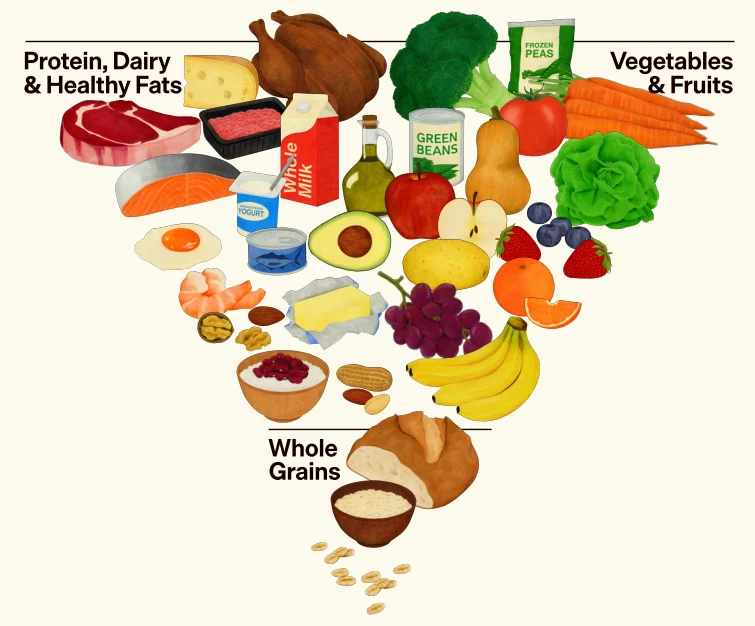
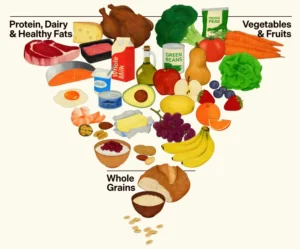
We have spent decades looking for a way to have our cake and eat it too—or rather, to drink our soda and lose weight. The science suggests that this shortcut does not exist. Instead of focusing on which chemical additive is "least bad," the focus must return to the foundational principles of nutrition: increasing the intake of water, whole vegetables, fruits, and minimally processed foods.
For those who rely on non-sugar sweeteners, the transition away from them need not be overnight. However, the goal should be clear: to recalibrate our tastes away from the artificial and toward the simple. In the quest for long-term health, the best approach is to stop trying to fool our taste buds and start nourishing our bodies.