









“I just bought a new BPA-free Tupperware set.”
The comment came from my friend Anna—a sharp, high-powered attorney known for her ability to cut through corporate obfuscation and dissect complex legal arguments. She is a woman who thrives on evidence and logic. Yet, here she was, clutching a set of plastic containers as if they were the missing key to a fifteen-pound weight loss goal that had eluded her for years.
It was a classic case of what psychologists call "procrastin-action." Anna was avoiding the unsexy, high-stakes work of consistent habit formation by focusing on a low-stakes, peripheral intervention. When I gently suggested that her progress might be better served by consistent gym attendance or prepping home-cooked meals, she bristled.
“I’ve tried that a thousand times,” she countered. “If it were that simple, it would have worked already.”
Anna’s story is not an outlier; it is a symptom of a modern wellness culture that has commodified the "hack" while marginalizing the grind.
The Psychology of the Magic Bullet
Human beings have an incredible capacity for self-deception, particularly when it comes to personal health. When we feel stuck, the brain naturally seeks the path of least resistance—or, more accurately, the path that feels like progress without requiring the pain of change.
The Illusion of Productivity
Purchasing high-end fitness gear, scouring YouTube for the "ultimate" workout routine, or obsessing over the potential endocrine-disrupting properties of food storage feels like work. It consumes time and mental bandwidth, creating a false sense of accomplishment. We are, in effect, performing a ritual of health without engaging in the practice of it.
The Ambivalence Paradox
It is vital to acknowledge that this resistance is not a moral failing. It is a biological one. Ambivalence—the push-and-pull feeling of wanting to reach a goal while simultaneously wanting to avoid the discomfort of the journey—is a standard part of the human condition. When we face the prospect of meaningful change, our brains often trigger a fight-or-flight response. We fear the loss of our old, comfortable, albeit unproductive, habits. Understanding this is the first step toward overcoming it.
The Foundation: What Actually Moves the Needle
The health and fitness industry is worth hundreds of billions of dollars, yet, according to data from the Centers for Disease Control and Prevention (CDC) and various longitudinal health studies, only about 6 percent of American adults consistently practice five foundational health behaviors:
- Consistent Movement: Engaging in 30 minutes of moderate-to-vigorous physical activity daily, combining aerobic exercise with resistance training.
- Nutritional Integrity: Consuming a diet where 80 percent of food intake is whole or minimally processed.
- Protein Sufficiency: Consuming enough lean protein (1.2 to 2.2 grams per kilogram of body weight) to support muscle maintenance and satiety.
- Sleep Hygiene: Protecting seven to eight hours of quality sleep, supported by consistent wake times and wind-down rituals.
- Substance Moderation: Limiting alcohol, nicotine, and processed stimulants.
The startling reality is that 94 percent of the population is failing to hit these markers simultaneously. The "industry secrets" sold in magazines and on social media are rarely secrets at all; they are often distractions designed to move product while the foundational pillars of health remain ignored.
Barriers to Behavioral Consistency
Why do we avoid the basics? Research into behavioral science suggests three primary hurdles that prevent us from achieving long-term health.

Barrier 1: Ambition Overload
We tend to fall into the trap of the "Monday Morning Overhaul." We decide to become a different person overnight—waking up at 5:00 AM, eating only organic vegetables, and training like an Olympian. This is a cognitive trap. We overestimate our future capacity for willpower and underestimate the friction of our current, busy lives. When the inevitable crash occurs, we blame our lack of discipline rather than the absurdity of the plan.
Barrier 2: The "Cutting-Edge" Fallacy
There is a pervasive belief that if a solution is simple, it must be ineffective. We assume that because we know we should eat vegetables and sleep eight hours, and yet we are still not at our goal weight, these things must not be the answer. This leads us to seek out "hacks"—supplements, bio-hacks, or complex diet protocols—that are often unsustainable, unproven, or prohibitively expensive.
Barrier 3: The Perfectionist Trap
We often view health as an "on/off" switch. If we cannot be perfect, we conclude we have failed. This all-or-nothing mentality is a recipe for disaster. Real health is not a binary state; it is a spectrum of behaviors that must be adapted to the realities of a messy, unpredictable life.
A Four-Step Framework for Effective Change
To break the cycle of stagnation, one must pivot from "perfect" to "consistent." Here is a strategic approach to behavioral implementation.
Step 1: The "Why" Before the "How"
Before altering your diet or exercise, you must understand the underlying motivation. Use the "5 Whys" technique: Ask yourself why you want to lose weight, then ask why that reason matters, and repeat until you reach the root emotional driver. If you aren’t clear on the consequences of inaction, you will lack the fuel to push through the inevitable plateaus.
Step 2: Prioritize the Essentials
You cannot optimize everything at once. Identify the one domain—nutrition, movement, or recovery—that currently presents the biggest hurdle to your health. Select one single, small skill within that domain and focus exclusively on it for two weeks.
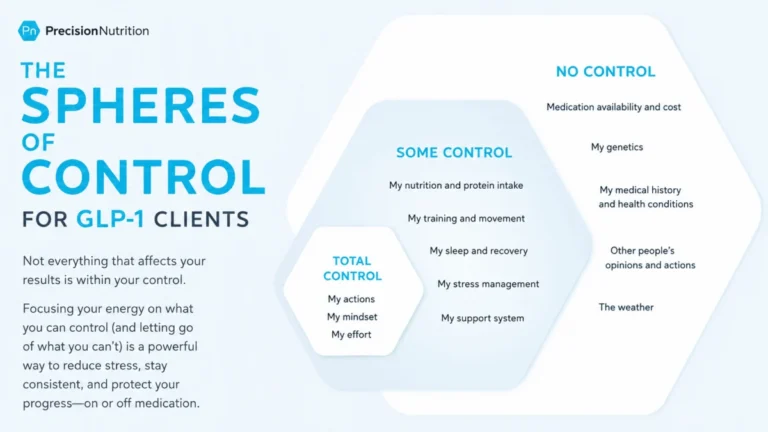
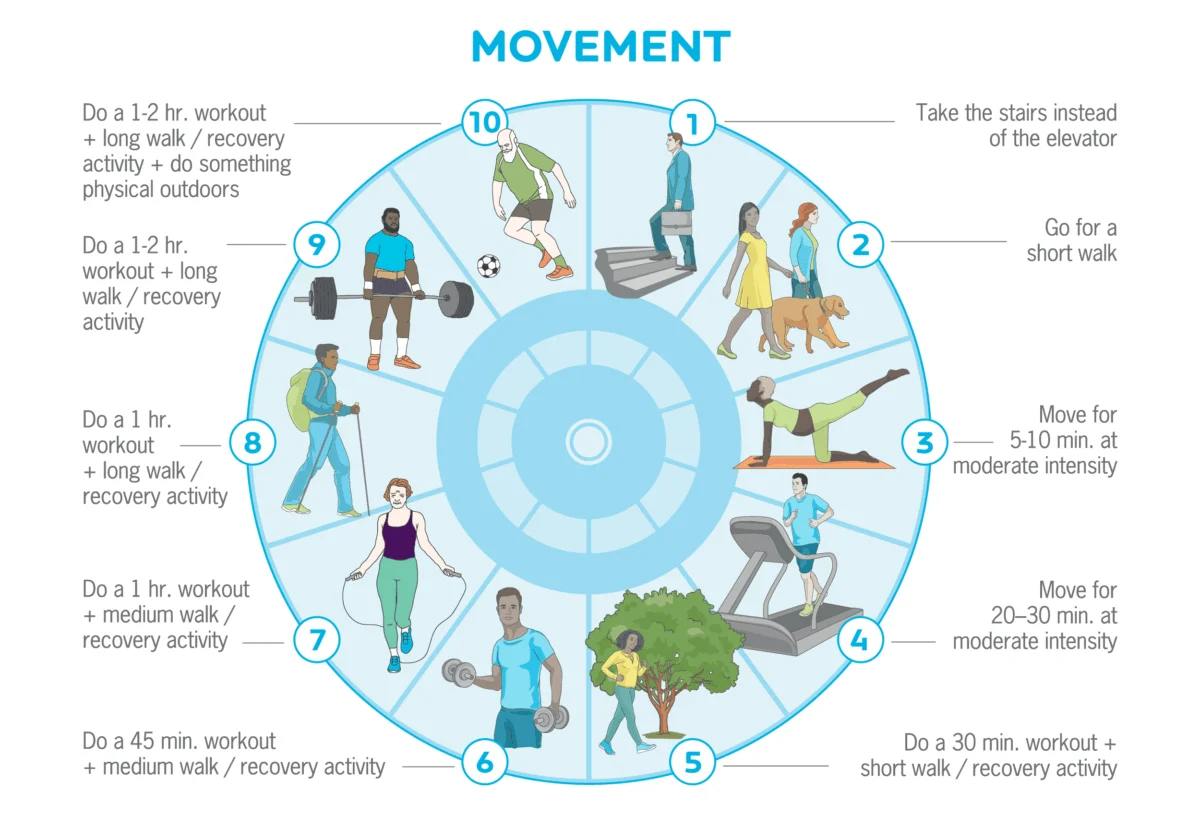
Step 3: Define Your "Floor" and "Ceiling"
Stop viewing habits as a binary switch. Instead, view them as a dial. Define your "ceiling"—the ideal, high-effort version of the habit—and your "floor"—the absolute minimum you can accomplish on your worst, most exhausted day. If your ceiling is an hour at the gym, your floor might be five minutes of stretching. As long as you keep the habit alive by hitting the "floor," you are succeeding.
Step 4: Engineer Your Environment
Willpower is a finite resource; environment is a constant force. Research published in Nature Reviews Psychology indicates that accessibility is the primary driver of behavior. If you want to eat better, make healthy food the most visible and accessible item in your kitchen. If you want to exercise, set your clothes out the night before. By designing your surroundings to nudge you toward your goals, you remove the need for constant, agonizing decision-making.
Implications: Embracing the "C+" Effort
The most dangerous myth in the health industry is that "good enough" is a failure. In reality, a "C+" effort that is performed consistently over five years will yield exponentially better results than an "A+" effort that is abandoned after three weeks.
When we stop expecting ourselves to be perfect, we stop the cycle of shame that keeps us from trying again. We must learn to accommodate our "worst selves"—the versions of us that are tired, stressed, and craving comfort—rather than pretending they don’t exist.
By letting go of the need for the latest "magic bullet" and returning to the quiet, unsexy, and undeniably effective basics, we move away from the frustration of stagnation and toward the sustainable reality of long-term health. The BPA-free Tupperware might be a nice touch, but it will never replace the profound impact of a consistent, intentional life.