










Researchers at the UT Southwestern Medical Center have unveiled a significant breakthrough in the fight against non-small cell lung cancer (NSCLC), the most common and deadliest form of the disease. By targeting a specific protein known as PCDH7, scientists have developed an experimental antibody that has demonstrated a remarkable ability to shrink tumors in preclinical models. This discovery, published in Science Advances, offers a potential lifeline for patients struggling with drug-resistant mutations, particularly those involving the elusive KRAS gene.
The Challenge of Non-Small Cell Lung Cancer
Non-small cell lung cancer accounts for approximately 85% of all lung cancer diagnoses in the United States. Despite advancements in medical technology, it remains the leading cause of cancer-related mortality globally. The complexity of NSCLC lies in its genetic diversity; specifically, mutations in the KRAS gene are present in roughly 25% of cases, driving the rapid, uncontrolled proliferation of malignant cells.
While the FDA’s 2024 approval of adagrasib—a drug designed to inhibit KRAS-mutant proteins—was a milestone for the oncology community, it is not a panacea. Clinical reality dictates that many patients eventually develop resistance to these targeted therapies. As the cancer evolves, it finds ways to bypass the drug’s mechanism, leaving clinicians with few, if any, effective options. This "unmet need" has been the primary driver of the research conducted at the Harold C. Simmons Cancer Center.
Chronology of the Discovery
The path to this experimental antibody began years before the recent publication in Science Advances.
- 2017 – Identifying the Target: Researchers first identified PCDH7 as a significant driver of NSCLC. Unlike other proteins that are buried deep within the cell, PCDH7 is expressed on the cell surface, making it an ideal candidate for antibody-based therapy.
- The Development Phase: Led by Kathryn O’Donnell, associate professor of molecular biology, and postdoctoral researcher Nicole Novaresi, the team began the labor-intensive process of engineering potential antibodies. In collaboration with the University of Texas Healthcare Science Center, the team screened hundreds of candidates to find one with the perfect binding affinity.
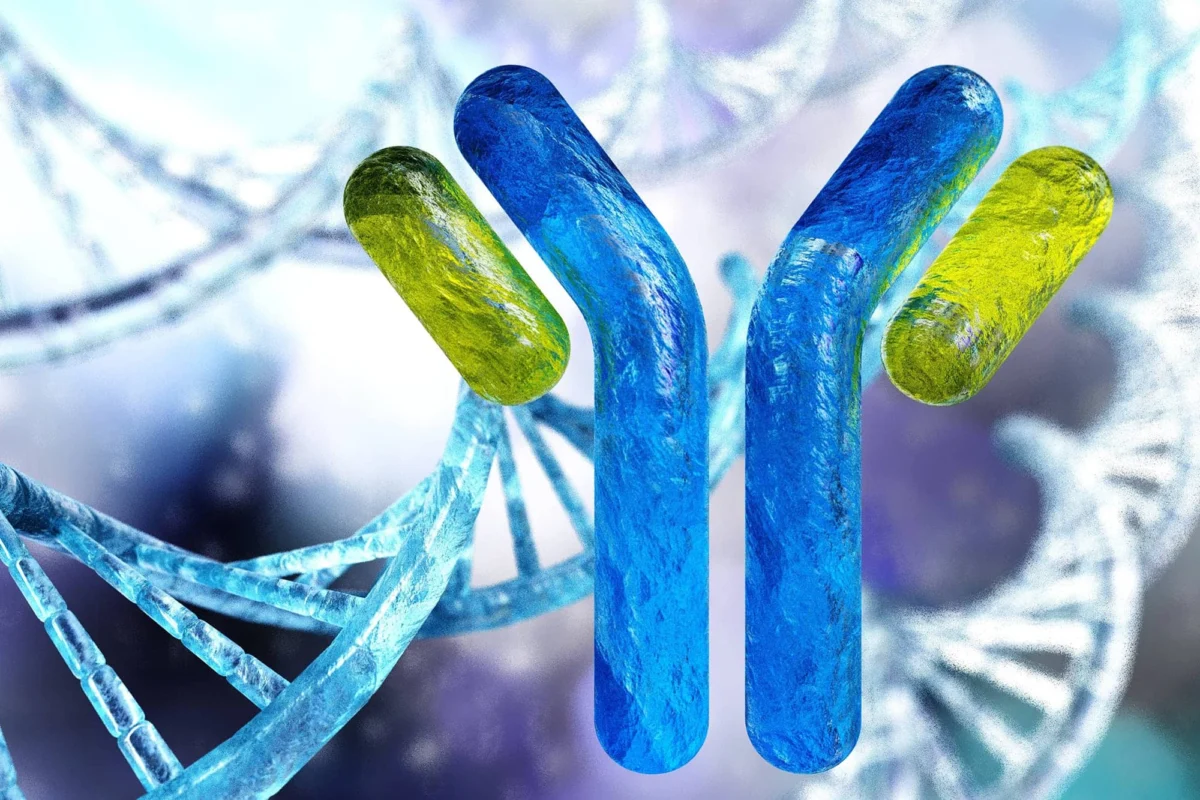
- The Breakthrough: After extensive screening, the team identified "mAb7," an antibody that demonstrated a potent ability to bind to PCDH7. Laboratory tests confirmed that mAb7 successfully disrupted intracellular signaling, effectively triggering programmed cell death (apoptosis) in cancer cells.
- Preclinical Validation: With the candidate identified, the team shifted to animal models. Mice with KRAS-mutant NSCLC tumors were treated with mAb7, leading to a significant reduction in tumor volume. Subsequent testing involved "humanized" mice—animals engineered to possess human immune systems—revealing that the antibody also recruits the host’s own immune cells to attack and eliminate the tumor.
Supporting Data and Synergistic Potential
The efficacy of mAb7 is not limited to its performance as a standalone treatment. One of the most compelling findings from the study is the antibody’s ability to act as a "sensitizer."
When the researchers combined mAb7 with adagrasib or trametinib (a drug targeting the RAS pathway), they observed a synergistic effect. The combination therapy resulted in significantly greater tumor shrinkage than any of the treatments administered in isolation. This suggests that the antibody does more than just kill cancer cells directly; it may also "re-sensitize" tumors that had previously developed resistance to existing therapies.
Furthermore, the recruitment of immune cells—a process known as Antibody-Dependent Cellular Cytotoxicity (ADCC)—indicates that the treatment leverages the body’s own defensive mechanisms. In the humanized mouse models, the antibody acted as a beacon, guiding immune cells to identify and destroy malignant tissue that would otherwise evade detection.
Official Perspectives from the Research Team
The implications of these findings have been met with cautious optimism by the lead researchers, who emphasize both the potential for patient impact and the necessity of further study.
"Overcoming resistance to molecularly targeted therapies is a critical unmet need for lung cancer patients," noted Kathryn O’Donnell. "We are excited that these antibodies may open another therapeutic avenue for lung cancer, especially for patients whose cancers have become resistant to KRAS inhibitors."
Nicole Novaresi, the study’s first author, underscored the complexity of moving from the lab bench to the hospital bedside. "These novel antibodies will require significant testing before use in patients," she stated in a press release. However, Novaresi also highlighted the broader scope of their work. Because PCDH7 is present in other types of malignancies, the researchers believe that the application of mAb7 may eventually extend beyond lung cancer. Preliminary analysis suggests potential efficacy in treating pancreatic cancer, melanoma, and prostate cancer—all of which exhibit similar PCDH7 expression profiles.
Implications for Future Cancer Care
The development of the mAb7 antibody represents a shift toward more nuanced, personalized oncology. Rather than relying on broad-spectrum chemotherapy, which often results in debilitating side effects, this approach focuses on specific protein expression on the cell surface.
Potential Benefits:
- Addressing Drug Resistance: By providing an alternative mechanism to inhibit tumor growth, mAb7 could extend the survival window for patients who have exhausted traditional KRAS inhibitor options.
- Combination Therapy Models: The success of the combination trials suggests that the future of cancer treatment may lie in "cocktail" therapies that attack the tumor from multiple biochemical angles simultaneously.
- Broad-Spectrum Application: The possibility of targeting other cancers beyond NSCLC significantly increases the value of this research, offering a potential "platform" technology that could be adapted for multiple solid tumor types.
The Road Ahead
Despite the success in preclinical models, the scientific community remains grounded in the realities of drug development. Before mAb7 can reach clinical trials, it must undergo rigorous safety testing and pharmacokinetic studies to ensure that it does not trigger adverse autoimmune responses in human subjects.
The team at UT Southwestern is currently preparing for the next phases of development, which will involve scaling up production and conducting longitudinal studies to determine the duration of the treatment’s effect. While the timeline for human clinical trials remains speculative, the Science Advances publication provides a solid empirical foundation for this next chapter.
Conclusion
The discovery of an antibody that targets the PCDH7 protein is a testament to the power of targeted molecular research. By identifying a specific vulnerability in aggressive cancer cells and leveraging the immune system to exploit it, the UT Southwestern team has provided a new, evidence-based pathway for treating resistant NSCLC.
While the journey toward clinical application is far from over, the potential to turn a once-lethal diagnosis into a manageable condition through targeted biologics is closer than ever. As researchers continue to refine mAb7, the medical community will be watching closely, hopeful that this experimental antibody will eventually become a staple in the modern oncologist’s arsenal.