








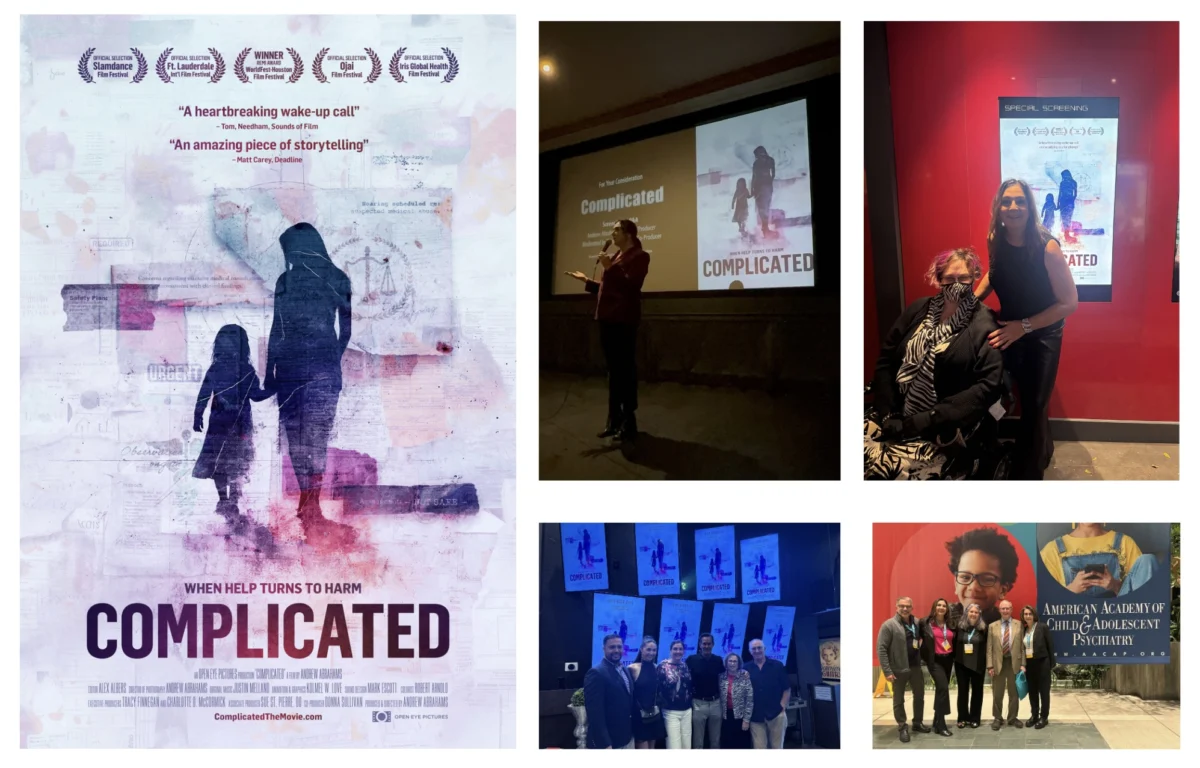
May 2026 marks a watershed moment for the Ehlers-Danlos Syndrome (EDS) community. As the world recognizes EDS Awareness Month, the long-gestating documentary Complicated is set for a wide release on Apple TV on May 19. For producer DM Sullivan and the families featured in the film, the project is far more than a piece of cinema; it is a strategic intervention in a medical landscape that has, for too long, failed to grasp the multi-systemic realities of connective tissue disorders.
The Genesis of Complicated: Nine Years in the Making
The journey of Complicated began nearly a decade ago, born from a necessity to document the harrowing intersection of chronic illness and institutional scrutiny. The film chronicles the experiences of families living with EDS—a group of genetic disorders that affect the connective tissues, often leading to joint hypermobility, skin hyperextensibility, and fragility—who have found themselves caught in the crosshairs of child protective services due to medical misunderstandings.
For years, patients have navigated a “care gap,” a phenomenon where the complexity of EDS symptoms leads to misdiagnoses or, in the worst cases, accusations of medical child abuse. When symptoms like unexplained bruising or joint dislocations are presented to clinicians unfamiliar with the pathology of EDS, the result is often a traumatic, state-sanctioned investigation.
"We didn’t plan it this way, but the release of our documentary in May feels almost fated," says DM Sullivan. "Between EDS Awareness Month and Mother’s Day, the timing reflects the very heart of this project."
Chronology: From Hidden Suffering to Global Platform
The trajectory of the documentary reflects the broader evolution of the EDS advocacy movement:
- 2017–2020: The initial development phase, where the filmmakers began documenting the lived experiences of families who were being unfairly targeted by healthcare systems that lacked the training to identify connective tissue disorders.
- 2023–2025: A period of intense production, during which the medical community began to see a surge in research papers validating the systemic nature of EDS, providing a scientific backbone to the patients’ personal narratives.
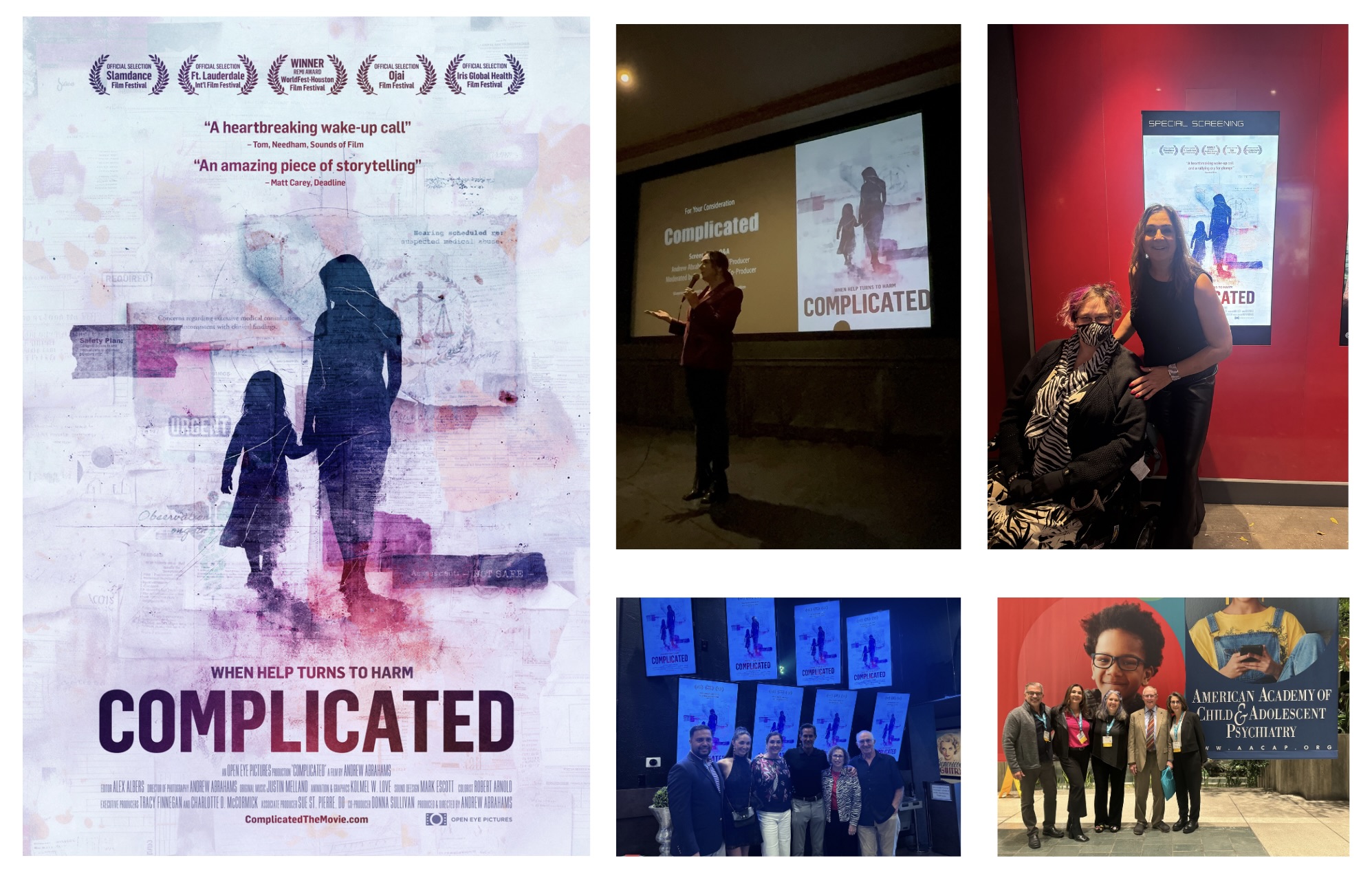
- 2025–Early 2026: The film begins its festival run. Director Andrew Abrahams and the featured families engage in a series of screenings at medical conferences and patient advocacy summits. The feedback loop during these screenings—moving from tears to collaborative action—solidifies the film’s role as a catalyst for policy change.
- May 2026: The film achieves its broadest reach yet, moving to Apple TV, while the EDS Society prepares for a monumental update to diagnostic criteria.
Bridging the Gap: Data, Diagnosis, and Clinical Reality
One of the most persistent hurdles in EDS care has been the "narrow focus" of data collection. Historically, health surveys have failed to capture the full spectrum of the patient experience. The reliance on outdated diagnostic criteria has left thousands of patients in a limbo of "medically unexplained symptoms."
However, the tide is beginning to turn. The scientific community has released a flurry of research papers over the past year that further validate the multi-systemic nature of EDS—an acknowledgment that patients have been seeking for decades. Furthermore, the University of Virginia’s recent opening of a comprehensive EDS clinic, which integrates cutting-edge medical research with patient-centered clinical care, serves as a blueprint for the future of specialized treatment centers.
Perhaps most significantly, the Ehlers-Danlos Society is slated to release its revised diagnostic criteria in late 2026. This, experts believe, will provide the standardized language necessary for primary care physicians and specialists alike to recognize and treat the condition, rather than defaulting to skepticism or referral to child protective services.
The Personal is Political: An Ongoing Struggle
Despite these systemic victories, the lived reality remains stark. DM Sullivan, despite her role as an advocate and producer, recently found herself back in the trenches of the medical system. Her youngest daughter’s development of Long COVID—which subsequently triggered an exacerbation of her EDS—served as a sobering reminder of how far the medical establishment still has to go.
"I’ve found myself back in that role as a mom and caregiver, navigating a space that is all too familiar," Sullivan notes. "Even at top-tier hospitals, I encounter well-meaning physicians who still do not recognize these symptoms as EDS-related."
This irony highlights the central thesis of Complicated: awareness is not a static goal, but a continuous process of education. The film aims to be a tool for patients to hold the medical community accountable, forcing conversations that were previously ignored.
Implications: The Path Toward Systemic Reform
The release of Complicated is timed to leverage a moment of high visibility for the EDS community, but its impact is intended to be long-term. By bringing the "patient-provider care gap" to the screen, the documentary shifts the narrative from individual patient "non-compliance" or "mystery illness" to a systemic failure of medical education and policy.
Key Objectives for the Coming Year:
- Clinical Education: Utilizing the film as a primary educational tool for medical residents and hospital administrators to prevent the misidentification of EDS as medical abuse.
- Support for Families: Providing a lifeline through organizations like ElevateRare.org, which assists families currently caught in the legal and social services system due to medical misunderstandings.
- Institutional Engagement: Encouraging healthcare entities to adopt the upcoming 2026 diagnostic criteria to reduce the time-to-diagnosis for new patients.
A Call to Action: The Road Ahead
As the credits roll on Complicated, the overwhelming response from audiences has been, "How can we work together to fix this?" The answer lies in collaboration. By fostering a dialogue between the medical elite and the patient community, the film aims to replace fear and suspicion with understanding and clinical competence.
For those who wish to engage with this movement before the wide release on May 19, a special virtual screening followed by a live Q&A with the featured families is scheduled for May 2nd.
"Our goal is not just to tell these stories, but to ensure that people living with all types of EDS are finally seen, heard, and taken seriously," says Sullivan. "The film is our opening statement. Now, the real work begins."
Resources for Affected Families
If you or your family have been investigated by child protective services due to complications arising from a connective tissue disorder or other rare conditions, please seek advocacy and legal resources at ElevateRare.org.
Screening Information
- Virtual Screening & Live Panel: May 2, 2026, 2:00 PM – 4:00 PM (EST).
- Apple TV Premiere: May 19, 2026.
- Purchase Tickets for the May 2nd Virtual Event