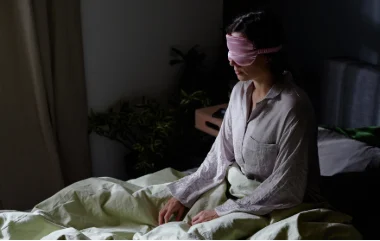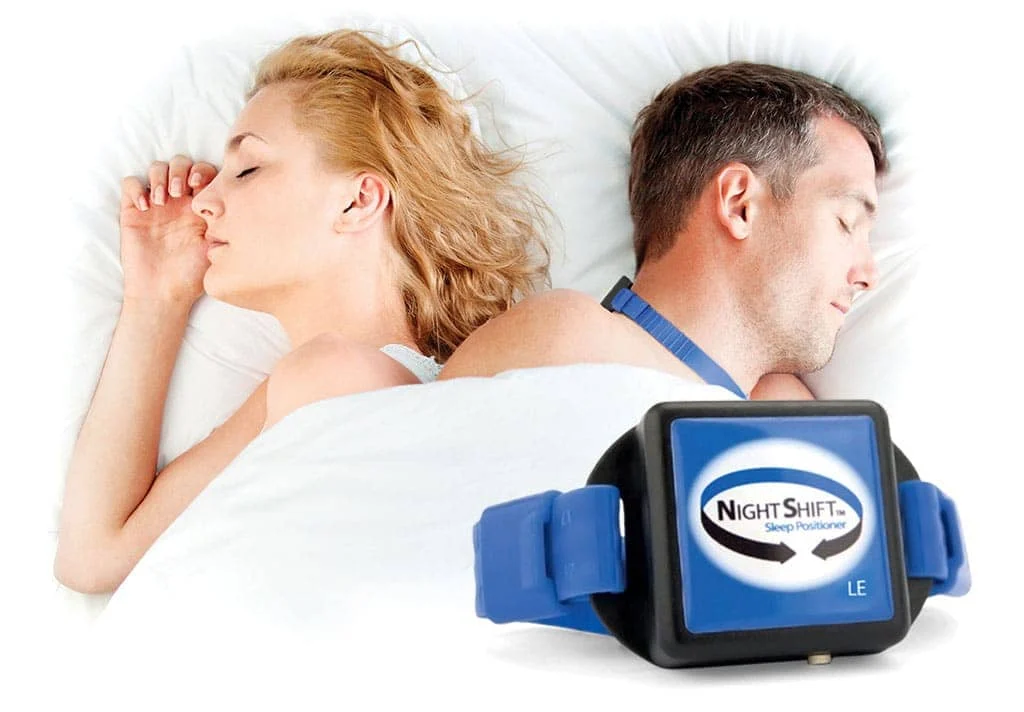
For decades, the gold standard for managing obstructive sleep apnea (OSA) has been the Continuous Positive Airway Pressure (CPAP) machine. While undeniably effective at keeping airways open, the cumbersome nature of masks, hoses, and pressurized air remains a significant barrier to long-term patient compliance. However, groundbreaking research presented at the 2026 American Thoracic Society (ATS) International Conference suggests a paradigm shift: for many, the most effective treatment for sleep apnea may not be a machine, but a conditioned behavioral change.
The Pavlov study, a recent clinical investigation, has revealed that positional therapy—a method utilizing feedback devices to nudge patients into side-sleeping—can effectively "retrain" the body. Most significantly, this study found that the therapeutic benefits persist for up to a year after the device is withdrawn, marking a transition from device-dependent treatment to a self-sustaining behavioral health model.
Main Facts: The Power of Behavioral Conditioning
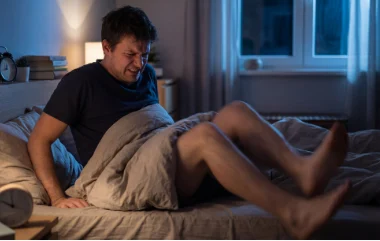
Positional obstructive sleep apnea (POSA) occurs when a patient’s airway collapse is primarily triggered by gravity while sleeping in the supine (back) position. For these individuals, simply shifting to a lateral (side) sleeping position can often resolve the apnea entirely.
The Pavlov study focused on whether the use of wearable positional therapy devices—which emit gentle, non-awakening vibrations when a patient rolls onto their back—could act as a form of neuro-behavioral conditioning. The hypothesis was that the brain would eventually associate the supine position with the vibration, eventually leading the patient to avoid back-sleeping even when the device is no longer present.
The results were striking. Researchers found that after six months of active therapy, more than two-thirds of participants successfully maintained side-sleeping habits, effectively controlling their OSA without any ongoing medical intervention. This behavioral modification demonstrated remarkable longevity, with the therapeutic effect holding firm for at least 12 months after the device was discontinued.
Chronology: From Diagnosis to Long-Term Autonomy
The journey toward understanding the long-term impacts of positional therapy has unfolded over several phases of clinical inquiry.
Phase I: The Device-Dependent Era
Initial medical approaches to positional therapy relied on rudimentary tools—such as tennis balls sewn into the backs of pajamas or foam wedges—to physically prevent back-sleeping. While these were effective in theory, they were often uncomfortable, leading to poor sleep quality and low patient adherence. The introduction of modern, sensor-based vibration devices modernized the field, offering a more comfortable way to monitor body position throughout the night.
Phase II: The Pavlov Study Intervention
In the Pavlov study, researchers enrolled patients with diagnosed positional OSA. During the initial six-month "active" phase, patients wore the sensor-based devices nightly. These devices recorded sleep position and provided tactile feedback, training the patient to unconsciously shift their position before apnea events could occur.
Phase III: The Post-Withdrawal Assessment
Following the six-month active treatment period, the devices were removed. Researchers continued to track the patients’ sleep quality, apnea-hypopnea index (AHI) scores, and positional data. It was during this phase that the unexpected discovery occurred: the patients did not revert to their previous back-sleeping habits. Instead, the behavioral conditioning had become a permanent lifestyle adaptation.
Supporting Data and Clinical Evidence
The data presented at ATS 2026 provides a compelling argument for reassessing how we approach sleep apnea.
- Efficacy Parity: The study highlighted that during the active phase, positional therapy was comparable to CPAP in terms of efficacy, meaning the reduction in AHI scores was statistically similar between the two groups.
- Adherence Metrics: While CPAP often sees significant drop-off in usage over the first year due to discomfort, claustrophobia, or dry mouth, the positional therapy cohort showed high rates of engagement. Because the device is less invasive, patients were more likely to complete the full six-month conditioning program.
- Sustainability: The most critical data point remains the one-year follow-up. The fact that two-thirds of the study population achieved "treatment-free" control of their condition suggests that for a specific sub-population of OSA patients, the condition is not a chronic disease requiring a lifetime of equipment, but a habit-based issue that can be unlearned.
Official Responses and Expert Perspective
Dr. Irene Cano-Pumarega, lead author of the study and head of the sleep unit at Ramón y Cajal Hospital in Madrid, has become a vocal advocate for integrating this approach into standard clinical care.
"We observed that positional therapy was not only effective—comparable to CPAP—but also better tolerated, supporting its role as a valuable alternative for patients who struggle with CPAP adherence," Dr. Cano stated in a press release.
Perhaps the most significant aspect of her team’s findings is the change in the patient-device relationship. "This represents a fundamental shift from device-dependent therapy to a potentially self-maintained therapeutic effect," she noted.
Medical peers in the sleep medicine community have reacted with cautious optimism. While experts acknowledge that positional therapy is not a "cure-all"—it is not suitable for patients with severe, non-positional OSA where airway collapse occurs regardless of posture—it is being hailed as a vital "first-line" option for the millions of people whose apnea is primarily positional.
Implications for Healthcare Systems and Patients
The implications of these findings extend far beyond the individual patient, touching upon economic, logistical, and systemic aspects of sleep medicine.
1. Reducing Economic Burdens
CPAP therapy is expensive. It requires the initial purchase of the machine, ongoing replacement of masks, tubing, and filters, and frequent follow-up visits to monitor compliance data. If patients can achieve long-term control through a six-month conditioning program, the long-term savings for healthcare providers and insurance companies could be substantial.
2. Personalizing Treatment Strategies
The study underscores the necessity of moving toward "precision sleep medicine." Not all OSA patients are the same. By identifying who is a "positional responder" early in the diagnostic process, clinicians can offer a non-invasive, shorter-term treatment that empowers the patient rather than tethering them to a machine.
3. Improving Quality of Life
The psychological burden of "mask dependence" is a frequently overlooked aspect of sleep apnea treatment. Patients often report feeling tethered to their device, which can impact travel, intimacy, and overall self-image. The ability to manage OSA through behavioral conditioning offers a degree of freedom and autonomy that CPAP cannot provide.
4. Future Research Directions
The research team is not resting on these results. Future studies are already being planned to answer two critical questions:
- The Duration Limit: How long exactly does the behavioral modification last? Does it last five years? A decade?
- Predictive Modeling: Which specific patient demographics or physical characteristics correlate with the highest "success rate" for this conditioning? By identifying these markers, clinicians can better screen for candidates who are most likely to benefit from the Pavlov approach.
Conclusion: A New Era in Sleep Medicine
The research presented at ATS 2026 is a milestone for sleep medicine. By proving that obstructive sleep apnea can be managed through the permanent alteration of sleeping behavior, the medical community is opening the door to a less invasive, more sustainable future.
While CPAP remains a life-saving tool for millions, the findings suggest that for those with positional OSA, we may be entering an era where the best treatment is one that eventually teaches the patient to treat themselves. As Dr. Cano-Pumarega aptly summarized, the goal moving forward is to standardize these findings into clinical guidelines, ensuring that personalized, behavioral-based strategies become a cornerstone of respiratory care.
For the patient who has struggled with the mask for years, this study offers something perhaps more valuable than a machine: the promise of restorative sleep achieved through their own biology, not through a cord and a compressor.