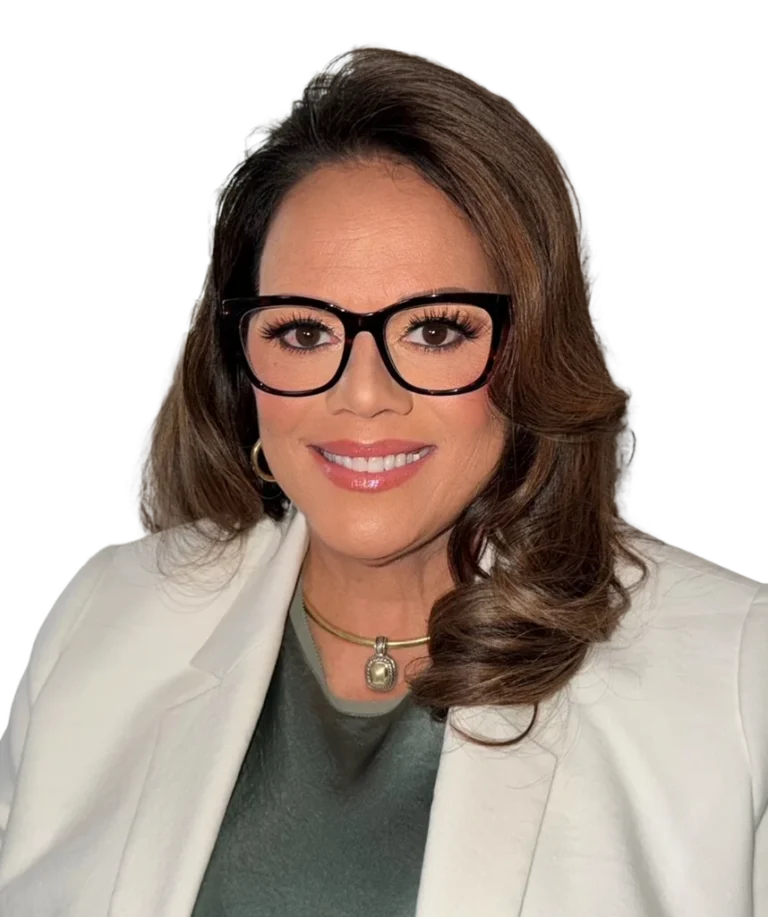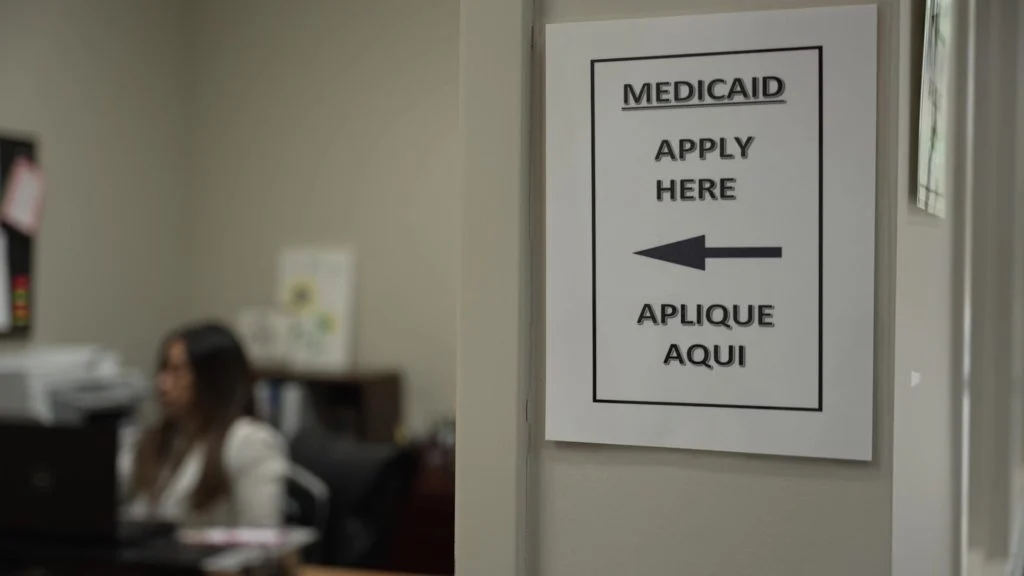
In May, the Health Center Association of Nebraska (HCAN) experienced an unprecedented statistical anomaly: for the first time in its history, the organization recorded zero new Medicaid enrollments. In a typical month, the nonprofit—which advocates for community health centers across the state—would process approximately 15 new applications. The drop-off, according to CEO Amy Behnke, is a direct consequence of Nebraska becoming the first state to implement the federal administration’s stringent new "community engagement" requirements for Medicaid recipients.
This quiet, sudden cessation of enrollment in Nebraska serves as a harbinger for a national shift in healthcare access. Under the "One Big Beautiful Bill Act," signed into law by President Donald Trump last summer, millions of low-income Americans and individuals with disabilities across 43 states are now required to document at least 80 hours of monthly work, volunteering, or educational activity to maintain their health coverage. As states begin to phase in these mandates ahead of the universal January 1, 2027 deadline, experts warn that the American safety net is facing its most significant transformation in a decade.
A Chronology of Implementation
The push for stricter oversight of federal health programs has been a centerpiece of the current administration’s domestic agenda. While the federal deadline for compliance is set for the start of 2027, several states, including Nebraska, Montana, and Iowa, have accelerated their transition timelines.
Nebraska’s policy took effect on May 1, 2026. Under the new state guidelines, applicants must now provide evidence that they meet work requirements—or qualify for a specific exemption—in the month immediately preceding their enrollment. While the state has stated that enrollees whose annual renewal falls in May or June would be spared, those with renewals set for late July and beyond are facing the new administrative reality.
This rollout follows the release of federal guidance from the Centers for Medicare & Medicaid Services (CMS) in early June 2026, which outlined how states should verify compliance. The administration has framed these measures as a necessary corrective for what they characterize as a "perverted" welfare system, designed to curb fraud and waste in federal health spending.
Official Responses: The Philosophy of "Prosperity" vs. The Reality of Administration
The debate over work requirements has become deeply polarized. CMS head Dr. Mehmet Oz has been a vocal proponent of the policy, arguing that tying benefits to employment is a "path to prosperity." During recent public remarks, Oz cited data from an American Enterprise Institute analysis to suggest that able-bodied Medicaid recipients spend significant time in leisure activities, implying that the program has fostered dependency.
However, researchers and healthcare advocates have challenged the data cited by the administration. A report by KFF (formerly the Kaiser Family Foundation) noted that the statistics often used to justify these policies may not accurately reflect the daily realities of nonworking recipients, particularly those dealing with undiagnosed health challenges or disabilities.
"The rules and the processes on paper may not look overly burdensome," Behnke explained, "but when we come to the application of it, that’s where we start to really see the bumps in the road."
Behnke cited an example of a Nebraska applicant who was recently disenrolled after truthfully reporting their unemployment status during a routine renewal. Such administrative hurdles, she argues, are creating a "chilling effect," where eligible individuals simply stop seeking care because they assume they will be rejected or find the paperwork too overwhelming to manage.
Supporting Data: Lessons from Past Experiments
The current federal policy mirrors previous state-level experiments, most notably in Arkansas and New Hampshire, which provide a grim preview of potential national outcomes. When Arkansas implemented work requirements in 2018, 18,000 individuals lost coverage within six months. Subsequent research published in the New England Journal of Medicine found that the policy did not significantly increase employment rates. Instead, it resulted in mass disenrollment among people who were already working or who qualified for exemptions but could not navigate the complex reporting system.
Dr. Ben Sommers, a professor of healthcare economics at the Harvard T.H. Chan School of Public Health, has tracked these trends closely. "If you’re subjecting many people to a requirement to try to change the behavior of a very small number of people, it’s pretty easy to end up with the policy not working," Sommers noted.
The data suggests that the burden of proof is the primary barrier. In Arkansas and New Hampshire, even when states were aware that individuals were exempt, the lack of automated, cross-departmental communication meant that thousands were disenrolled for "non-compliance." According to an Urban Institute report, between 72% and 82% of those required to report their hours in the first month were flagged as non-compliant, despite many being eligible for the program.
The "Medically Frail" Designation and Administrative Barriers
One of the most contentious aspects of the new policy is the exemption process. While certain groups—such as veterans with disabilities, pregnant women, and parents of children under 13—are exempt, the "medically frail" category remains a point of significant confusion.
In Nebraska, there are nearly 300 diagnostic codes that can qualify an individual as medically frail. However, the state’s verification system is limited. According to Behnke, the state only reviews primary diagnosis codes from the previous 12 months. This means that if a patient visited a clinic for a routine check-up or a minor illness like a cough, their chronic, underlying conditions—such as diabetes or anxiety—might not be documented in the system, disqualifying them from the exemption.
Furthermore, communication failures are compounding the crisis. HCAN has received numerous reports of applicants unable to reach state social service workers. In some instances, Spanish-speaking callers have been disconnected or routed to English-only lines, effectively barring them from the information necessary to maintain their coverage.
Implications for the Future of Medicaid
The economic implications of these requirements are staggering. The Congressional Budget Office (CBO) estimates that the federal government could save $326 billion over the next decade through these policies. However, this savings is projected to come at the cost of 5 million people losing their health insurance annually between 2029 and 2034.
The variability in how states choose to implement these rules will likely determine the severity of the coverage loss. Jennifer Tolbert, deputy director of KFF’s program on Medicaid and the uninsured, points out that states with robust, automated systems to cross-reference wage data and social security information may mitigate some of the "churn" (the movement of people on and off insurance). However, even in the best-case scenarios, the administrative complexity remains a significant hurdle.
"Imagine having to do your income taxes two to three times a year," Dr. Sommers said. "Sure, it’s possible. But many people won’t be able to do it, or will struggle, or they won’t get the forms because they’re not sent to the right address if they moved."
For organizations like HCAN, the situation is a call to action. They are currently engaged in intensive outreach to educate the public, yet the "heavy lift" remains daunting. As the Jan. 1, 2027, deadline approaches, the silent gap in Nebraska’s enrollment data serves as a stark reminder of the human cost of administrative policy. The fundamental question remains: as the state shifts toward a model of rigorous verification and employment incentives, what happens to those who fall through the gaps of the system—the sick, the transient, and the under-informed?
For now, the advocates in Nebraska wait to process their first post-requirement applicant, while the rest of the nation prepares for a transition that promises to reshape the landscape of American public health.