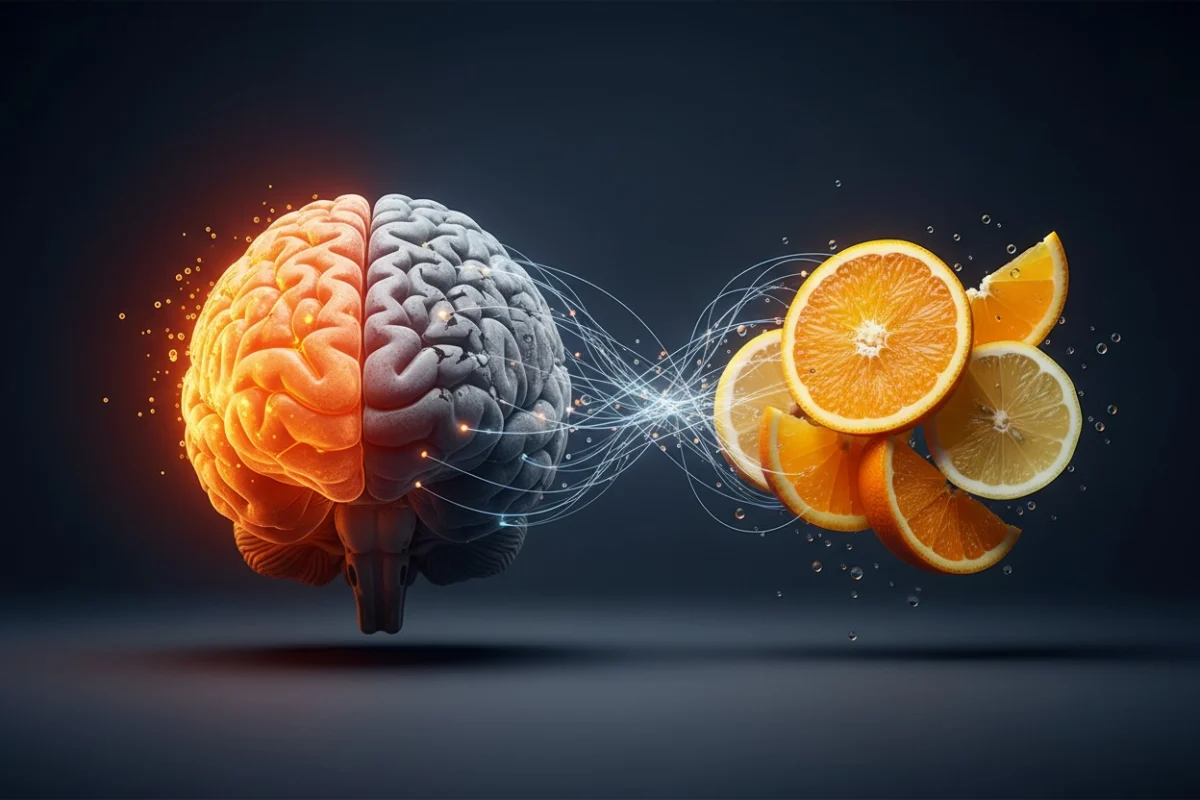
The human brain does not collapse overnight. It is a structure that erodes gradually, often over decades of nutritional neglect and lifestyle stagnation. While the specter of cognitive decline looms large over aging populations worldwide, a new, compelling study out of Japan provides some of the clearest evidence to date that an overlooked, common nutrient—Vitamin C—may be the unsung hero in maintaining long-term mental sharpness.
This finding lands at a critical juncture in medical research. As global populations age, the incidence of neurodegenerative disorders is reaching crisis levels. Yet, the narrative surrounding brain aging is shifting; it is no longer viewed as a destiny dictated solely by the rigid hand of genetics. Instead, emerging science suggests a more empowering, albeit demanding, reality: the trajectory of our cognitive health is shaped, day after day, by the choices we make at the dinner table, the activity we integrate into our routines, and the restorative power of our sleep.
The Study: Unmasking the Vitamin C Connection
The research, published in the peer-reviewed journal PLOS One, offers a rigorous look at the relationship between plasma nutrient levels and structural brain health. By examining 2,044 adults in Japan with a median age of 69, researchers were able to draw a direct line between nutritional status and neurological architecture.
Methodology and Scope
The researchers employed a multi-faceted approach to gather data. First, they conducted blood draws to quantify plasma vitamin C levels. Simultaneously, they utilized advanced MRI scans to assess two critical markers of brain health: total brain volume and the integrity of the "default mode network" (DMN).
The DMN is far from an obscure biological curiosity. It is a sophisticated set of interconnected brain regions that activate specifically when a person is not focused on the outside world—during moments of memory recall, self-reflection, and quiet, internal thought. Because declines in DMN connectivity are clinical precursors to mild cognitive impairment, Alzheimer’s disease, and Parkinson’s disease, the health of this network is a primary indicator of long-term neurological resilience.
Key Findings
The results were striking in their consistency. Participants with lower plasma vitamin C levels exhibited a measurably reduced DMN connectivity. Furthermore, these individuals demonstrated a smaller ratio of gray matter to total brain volume. These findings remained statistically significant even after researchers adjusted for confounding variables such as age, education, smoking habits, alcohol consumption, physical activity, and existing health conditions like diabetes and hypertension.
Official Responses and Expert Interpretation
Tomohiro Shintaku, an assistant professor of radiology at Hirosaki University Graduate School of Medicine and the study’s lead author, offers a sober assessment of these findings. According to Shintaku, the reduction in gray matter and the dampening of the default mode network are not merely incidental; they are early, observable biological signatures of age-related cognitive decline.
However, Shintaku is careful to maintain scientific rigor. He emphasizes that the study highlights an association rather than direct causation. Because the data relied on a single blood draw per participant, it provides a "snapshot" rather than a longitudinal nutritional profile. Furthermore, the study did not account for variables like body mass index (BMI) or socioeconomic status, which can influence both dietary quality and brain health. Despite these caveats, the study adds a significant layer of evidence to a decades-long body of research regarding antioxidant defense.
The Antioxidant Story: Why Whole Foods Triumph Over Supplements
The biological reasoning behind vitamin C’s neuroprotective role is grounded in basic chemistry. The brain is an oxygen-hungry organ, consuming a disproportionate share of the body’s total intake. This metabolic intensity makes the brain uniquely vulnerable to oxidative stress—a process where unstable free radical molecules damage cellular structures.
Vitamin C acts as a vital antioxidant, neutralizing these free radicals before they can inflict damage. Furthermore, it plays a critical role in enzyme function, specifically in the production of neurotransmitters—the chemical messengers that allow brain cells to communicate.
The Fallacy of the "Shortcut"
A pivotal 2013 review published in the Journal of Alzheimer’s Disease, authored by researcher Fiona Harrison, analyzed decades of literature on vitamin C and cognitive aging. The review’s conclusion serves as a stern warning for those hoping to bypass a healthy diet with supplement bottles.
Harrison’s research indicates that the goal is not to "megadose" or flood the body with artificial concentrations of the nutrient. Instead, the objective is to maintain a steady, sufficient baseline. When the body is not deficient, the marginal benefit of extra supplements is minimal. Nature, it seems, has designed the human body to extract exactly what it needs from a diet rich in produce. Citrus fruits, sweet peppers, kiwi, strawberries, broccoli, and Brussels sprouts provide the optimal biological delivery system for this nutrient. For most adults, the recommended daily intake—90 milligrams for men and 74 milligrams for women—is easily achievable through a whole-food diet.
Beyond Vitamin C: A Holistic View of Brain Longevity
While vitamin C is a crucial player, it is merely one instrument in the orchestra of brain health. To treat it as a "magic bullet" is to ignore the synergy of nutrients and lifestyle factors that dictate neural longevity.
Essential Nutritional Synergy
- Omega-3 Fatty Acids: Found in fatty fish, walnuts, and flaxseed, these fats are the building blocks of the membranes that protect brain cells. They also provide potent anti-inflammatory effects that mitigate the chronic inflammation linked to cognitive decline.
- B-Vitamin Complex: Specifically B6, B9 (folate), and B12 are essential for regulating homocysteine. Elevated levels of this amino acid are strongly linked to brain atrophy and a higher risk of dementia.
The Role of Movement and Sleep
The impact of lifestyle choices on the brain is profound:
- Aerobic Exercise: Regular movement increases cerebral blood flow and stimulates the production of brain-derived neurotrophic factor (BDNF), a "fertilizer" that supports the growth of new neural connections.
- Restorative Sleep: Consistent, high-quality sleep is the brain’s "janitorial service." During sleep, the brain clears out metabolic waste, including the buildup of amyloid proteins associated with Alzheimer’s disease.
Implications: A Call to Agency
The synthesis of this research leads to an uncomfortable yet deeply empowering conclusion. Cognitive decline is not necessarily a biological inevitability or a pre-programmed genetic curse. Instead, it is a process that unfolds across thousands of daily, mundane decisions.
What we put on our plates, the frequency of our movement, and the quality of our rest are not trivial choices; they are the architectural blueprints of our future mental state. The evidence suggests that even in our later years, the brain remains plastic, capable of being nourished or neglected.
The path forward is not found in a laboratory discovery that will one day cure aging, but in the radical adoption of lifestyle habits that have been known for decades. By focusing on nutrient-dense foods, prioritizing physical activity, and respecting the need for sleep, individuals can take proactive control of their cognitive trajectory. The "erosion" of the brain is not a sudden collapse; it is a slow process that we have the power to slow, stall, and perhaps even reshape through the discipline of our daily lives.
Sources and Further Reading
- PLOS One: "Association between plasma vitamin C levels and brain structure/function" (2024).
- Journal of Alzheimer’s Disease: "Vitamin C and the Aging Brain," by Fiona Harrison (2013).
- Health.com: Analysis of recent nutritional neurological findings.
- National Institutes of Health (NIH): Archives on oxidative stress and neurodegeneration.