








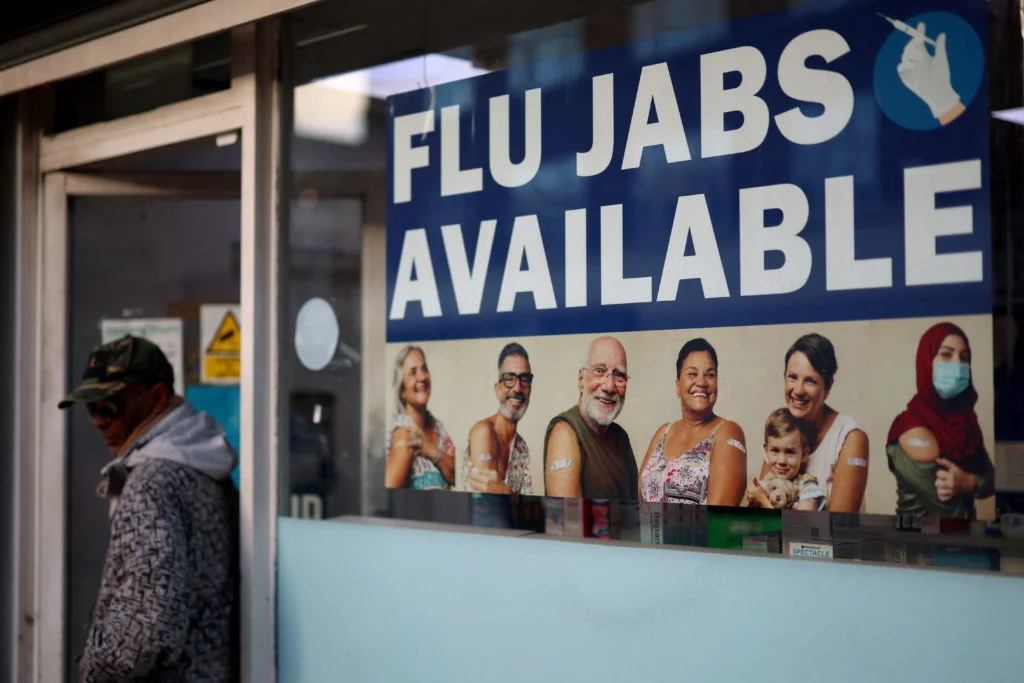
WASHINGTON — In a landmark development for public health, a novel influenza vaccine has moved one step closer to the U.S. market. On Thursday, federal health advisers delivered a unanimous recommendation to approve the first flu shot manufactured using messenger RNA (mRNA) technology—the same platform that proved transformative during the global COVID-19 pandemic.
The Food and Drug Administration (FDA) is currently evaluating Moderna’s new candidate, dubbed "mFlusiva." The company is seeking full approval for use in adults aged 50 to 64, alongside authorization for use in those 65 and older while it conducts mandatory, large-scale confirmatory testing. If the FDA follows the committee’s advice, a final decision could be issued by early August, potentially reshaping the landscape of winter respiratory protection for the nation’s most vulnerable populations.
The Science of Speed: Why mRNA Matters
For decades, traditional flu vaccines have relied on egg-based or cell-based manufacturing processes. These methods are time-intensive, often requiring the virus to be grown in large batches of chicken eggs—a process that can take months. Because the flu virus is notoriously "shape-shifting," or prone to rapid mutation, the lag time between identifying a circulating strain and mass-producing a matching vaccine often leads to suboptimal protection.
The mRNA technology shifts this paradigm. By delivering a small, synthetic piece of genetic code to the body’s cells, the vaccine teaches the immune system how to recognize and fight the flu virus without introducing the actual pathogen.
"Having this technology available puts us in a better position to be prepared for emerging strains in the future," noted Dr. Flor Munoz-Rivas of Texas Children’s Hospital, an FDA adviser. The primary advantage is agility; mRNA vaccines can be synthesized and adjusted much faster than their traditional counterparts. In a scenario where the flu virus mutates mid-season or an unexpected strain emerges, this "molecular manufacturing" speed could be the difference between a controlled outbreak and a public health crisis.
Chronology of a Regulatory Battle
The path to this week’s advisory vote was far from smooth. Earlier this year, the regulatory process hit an unexpected wall when a then-top FDA official blocked Moderna’s application, sparking a rare and highly public dispute between the agency and the pharmaceutical giant.
The impasse centered on study design. Dr. Vinay Prasad, who served as the vaccine chief at the time, argued that Moderna’s clinical trials were insufficient because they compared the new mRNA shot to standard-dose vaccines rather than the high-dose alternatives specifically recommended for seniors. This decision occurred amidst a period of heightened scrutiny over vaccine approvals under the leadership of Health Secretary Robert F. Kennedy Jr.
Moderna pushed back, pointing out that the FDA’s own staff had previously approved the design of the main study. Furthermore, the company highlighted a smaller, separate trial that had directly compared its mRNA candidate to high-dose, senior-specific vaccines.
The friction reached a boiling point in the media, with infectious disease experts expressing concern that the FDA was politicizing or obstructing the introduction of potentially life-saving technology. Shortly after the public spat, the FDA reversed course and accepted Moderna’s application for review, leading to this week’s favorable advisory committee vote.
Supporting Data: Clinical Efficacy
The recommendation from the advisory committee was backed by substantial, albeit debated, clinical data.
In a massive study involving 40,000 participants aged 50 and older, Moderna’s mRNA vaccine demonstrated a 27% reduction in flu cases compared to those who received a standard-dose, traditional flu vaccine. While some critics initially questioned the comparison group, proponents argued that the data regarding immune response was "compelling."
In a separate, smaller trial focusing specifically on adults aged 65 and older, the vaccine produced a robust immune response—the key metric for long-term protection—that compared favorably against the high-dose flu shots currently considered the "gold standard" for the elderly.
"The vaccine looks very promising," said Dr. Anna Durbin of Johns Hopkins University, an FDA adviser who served on the panel.
However, the committee remained clear that this is only the beginning. Should the vaccine gain approval, Moderna is mandated to conduct an expansive follow-up study involving 400,000 people aged 65 and older over two flu seasons. Half of the participants will receive the mRNA shot, while the other half will receive the current high-dose standard. This "real-world evidence" study is intended to confirm the vaccine’s efficacy and safety in diverse populations, including those with pre-existing conditions or weakened immune systems.
Safety and Side Effects: Managing Expectations
As with the COVID-19 mRNA vaccines, the side-effect profile for mFlusiva is distinct. Participants in the trials reported injection-site pain, fever, headache, fatigue, and muscle aches. While these symptoms were generally temporary, they occurred with higher frequency than with traditional, non-mRNA flu shots.
FDA advisers were quick to frame these side effects not as a danger, but as a biological indicator. "Those temporary reactions can be a signal that your immune system is responding," explained Dr. Hayley Gans, a pediatrician at Stanford Medicine and an FDA adviser. She emphasized that public education will be essential to ensure patients understand that these symptoms are an expected outcome of the vaccine’s mechanism of action.
Future Implications: A New Standard?
Tens of thousands of Americans lose their lives to influenza annually, with the elderly suffering the highest rates of hospitalization and mortality. The introduction of an mRNA-based flu vaccine could fundamentally alter these statistics.
If successful, the technology could allow for "recipe updates" that are more precise and timely than the current system. Because the current flu vaccine recipe is finalized months before the season begins, a mismatch between the vaccine and the circulating virus is a perennial risk. With mRNA, manufacturers could theoretically pivot their production lines to accommodate late-breaking viral mutations with unprecedented speed.
The implications extend beyond the current 50-plus demographic. Moderna has already signaled its intent to expand research into younger cohorts, with a study planned for 9- to 17-year-olds this fall.
FDA vaccine reviewer Dr. Timothy Brennan expressed optimism at the advisory meeting, suggesting that despite the lingering need for data regarding the most frail members of the population, the benefits of the technology currently outweigh the risks.
As the FDA moves toward an August decision, the medical community remains focused on the potential for a "hybrid" future—one where traditional vaccines and mRNA technology work in tandem to bolster the nation’s immune defenses. If approved, mFlusiva will not only mark a milestone for Moderna but potentially usher in a new, more responsive era for the global fight against one of the world’s most enduring viral threats.
The Associated Press Health and Science Department receives support from the Howard Hughes Medical Institute’s Department of Science Education and the Robert Wood Johnson Foundation. The AP is solely responsible for all content.