











In the complex landscape of blood cancer treatment, a significant breakthrough has emerged from the annual meeting of the European Hematology Association (EHA) in Stockholm. Eli Lilly and Company, building on its recent strategic acquisition of Ajax Therapeutics, has unveiled promising early-stage clinical data for AJ1-11095, an investigational oral small molecule that represents a "first-in-class" approach to treating myelofibrosis.
For patients who have exhausted current standards of care, this novel drug offers a potential lifeline. By targeting the inactive state of the JAK2 protein—a mechanism distinct from existing therapies—AJ1-11095 has demonstrated a capacity to reduce spleen volume and alleviate the debilitating symptoms that define this aggressive bone marrow disorder.
The Science of Myelofibrosis and the JAK Pathway
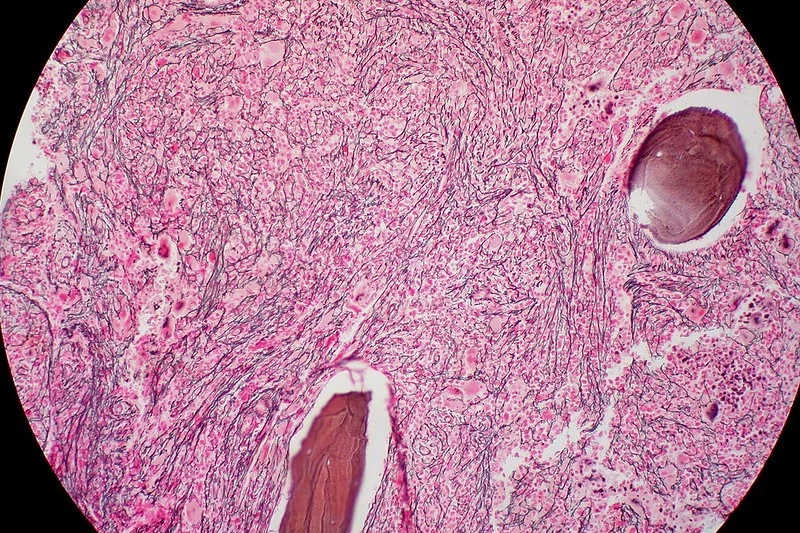
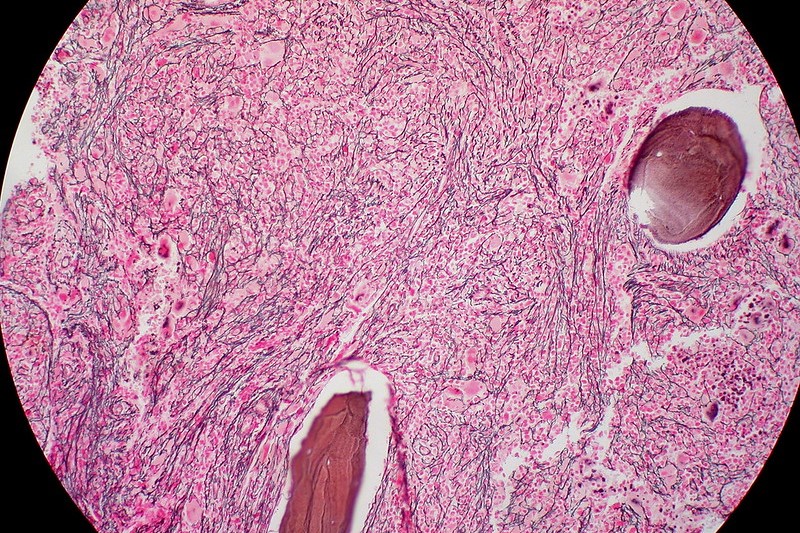
Myelofibrosis is a rare and severe form of myeloproliferative neoplasm (MPN) characterized by the buildup of scar tissue (fibrosis) in the bone marrow. This scarring interferes with the body’s ability to produce healthy blood cells, often leading to severe anemia, fatigue, and, crucially, splenomegaly—the dangerous enlargement of the spleen.
The progression of the disease is largely driven by dysregulated signaling in the Janus kinase (JAK) pathway. For years, the oncology community has relied on JAK inhibitors, such as Incyte’s blockbuster Jakafi (ruxolitinib), GSK’s Ojjaara (momelotinib), Bristol Myers Squibb’s Inrebic (fedratinib), and SOBI’s Vonjo (pacritinib).
While these drugs have transformed patient outcomes, they all function as "Type I" inhibitors. These agents bind to the JAK2 enzyme while it is in its active conformation. However, many patients eventually develop resistance or fail to achieve a sustained response. AJ1-11095 differentiates itself by being a "Type II" inhibitor. It is specifically engineered to bind to the protein while it is in its inactive state, potentially overcoming the limitations of traditional Type I therapies and providing a durable response for patients whose disease has relapsed or proven refractory to existing options.
A Chronology of Progress: From Ajax Therapeutics to Eli Lilly
The development of AJ1-11095 is a testament to the rapid pace of innovation within the biotech startup ecosystem.
- Early Development: Ajax Therapeutics, a nimble biotech firm, identified the unique potential of Type II JAK2 inhibition. Their focus was on developing a small molecule that could navigate the structural complexities of the JAK2 protein more effectively than existing drugs.
- April 2026 – The Acquisition: Recognizing the potential of the Ajax pipeline to bolster its hematology and oncology footprint, Eli Lilly announced a definitive agreement to acquire Ajax Therapeutics. The deal, valued at up to $2.3 billion, included significant upfront capital and performance-based milestone payments, signaling Lilly’s confidence in the asset.
- April 2026 – Broader Expansion: The acquisition of Ajax occurred in a month of aggressive growth for Lilly, which also secured a $3.2 billion deal to acquire Kelonia Therapeutics. Kelonia specializes in in vivo cell therapy, further cementing Lilly’s commitment to high-stakes genetic and hematological medicine.
- June 2026 – EHA Presentation: The clinical data for AJ1-11095 was formally presented at the EHA annual meeting in Stockholm, marking the first time the global medical community could assess the drug’s performance in a peer-reviewed setting.
Clinical Performance: Decoding the Phase 1 Data
The Phase 1 dose-escalation study enrolled 23 patients, all of whom presented with a challenging clinical history. These participants had received a median of two prior lines of therapy, with every patient having been treated with Jakafi, and a subset having also cycled through Ojjaara.
The results, while preliminary, are statistically significant:
Spleen Volume Reduction
Reduction in spleen volume is a primary clinical metric for success in myelofibrosis trials. Among the 20 patients who reached the 12-week mark and underwent imaging, 13 achieved a reduction in spleen volume of at least 35%. An additional four patients showed a reduction between 25% and 34%. Upon the administration of higher doses, two further patients achieved the 35% benchmark, suggesting a dose-response relationship that warrants further exploration in Phase 2 and 3 trials.
Symptom Alleviation
Beyond the physical reduction of organ size, the patient experience is paramount. A secondary endpoint of the study focused on the Total Symptom Score (TSS). The results were striking: 17 of the 23 patients reported a 50% or greater reduction in disease-related symptoms after just one cycle of treatment. By the second cycle, two additional patients reached this threshold, underscoring the drug’s rapid onset of action.
Clinical Perspectives and Expert Commentary
Dr. John Mascarenhas, a professor of medicine at the Icahn School of Medicine at Mount Sinai and the study’s principal investigator, emphasized the importance of these findings.
"With an encouraging safety profile, meaningful spleen size reduction, symptom improvement, and decrease in underlying mutant disease burden, these data, while early, point to the potential to meaningfully impact treatment options for people with certain myeloproliferative neoplasms," Dr. Mascarenhas stated.
The medical community has responded with cautious optimism. Andrew Berens, an analyst at Leerink Partners, noted that the tolerability of the drug is a major strength. In his research note, he highlighted that there were no dose-limiting toxicities and no patient discontinuations during the study period.
However, experts acknowledge the hurdle of anemia. The study recorded a 65% rate of anemia of any grade, with 52% of cases classified as Grade 3 or higher. While this is a common "class effect" associated with virtually all current JAK inhibitors, it remains a clinical challenge. Nonetheless, Berens concluded that the drug exhibits "strong activity," suggesting that the benefits of the drug’s efficacy likely outweigh the manageable side-effect profile.
Implications for the Future of Hematology
The success of AJ1-11095 has broader implications for the pharmaceutical industry and patient care:
- Validation of M&A Strategies: The positive data serves as a clear validation of Eli Lilly’s aggressive acquisition strategy. By identifying and acquiring promising startups like Ajax, large-cap pharmaceutical firms are effectively outsourcing early-stage risk while securing "next-generation" assets that define the future of oncology.
- Redefining Treatment Paradigms: If AJ1-11095 continues to perform well in larger, randomized trials, it could potentially shift the standard of care for refractory myelofibrosis. Moving away from a "one-size-fits-all" Type I inhibition strategy toward a precision-based Type II inhibition model could become the new gold standard.
- Patient Quality of Life: The rapid improvement in symptom scores is perhaps the most compelling argument for the drug’s continued development. For patients suffering from the chronic pain and fatigue of myelofibrosis, even a incremental improvement in quality of life represents a massive therapeutic victory.
- Competitive Landscape: With companies like GSK, BMS, and SOBI already established in the JAK inhibitor market, the entry of a Type II inhibitor forces competitors to innovate. We can expect to see a surge in research aimed at overcoming the anemia side effects associated with this class of drugs, as the "race for efficacy" moves toward higher specificity and lower toxicity.
As the industry looks toward the next phases of clinical testing for AJ1-11095, the focus will shift to long-term durability of response and the potential for combination therapies. While the path to regulatory approval is still long, the early data presented in Stockholm provides a clear, hopeful signal that the next generation of myelofibrosis treatment is already on the horizon.