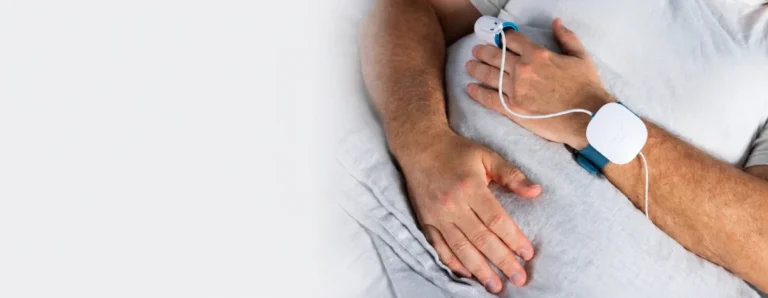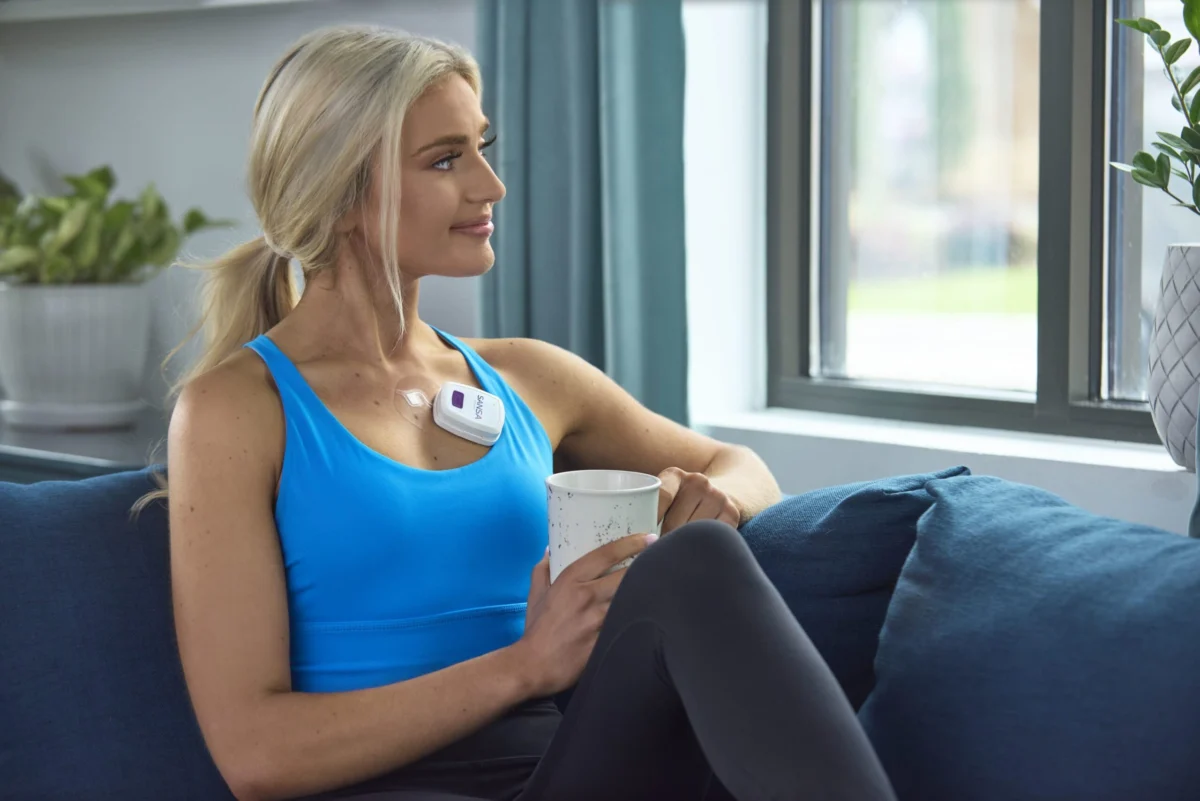
In an era where the intersection of sleep health and cardiovascular medicine is becoming increasingly critical, Huxley Medical has announced a significant evolution in its diagnostic capabilities. The company has officially integrated "hypoxic burden" metrics into its SANSA platform, a chest-worn home sleep testing (HST) solution. Alongside this technical advancement, the company has introduced "SANSA GO," a new logistical framework designed to streamline the delivery and monitoring of sleep apnea diagnostics in clinical settings.
By unifying sleep and cardiac monitoring, Huxley Medical aims to address the significant gaps in patient care that occur when sleep-disordered breathing—a known exacerbator of heart disease—goes undiagnosed or is delayed by complex testing procedures.
The Core Innovation: Integrating Hypoxic Burden into Sleep Diagnostics
The SANSA platform has already established a footprint in the medical community through its FDA clearances as a multi-diagnostic monitor. It is uniquely capable of assessing electrocardiograms (ECG), obstructive sleep apnea (OSA), and central sleep apnea (CSA) through a single, non-invasive chest-worn patch. The addition of the hypoxic burden metric represents a strategic pivot toward deeper cardiovascular risk stratification.
What is Hypoxic Burden?
Hypoxic burden serves as a quantitative measure of the total depth and duration of oxygen desaturation experienced by a patient during sleep. Unlike traditional metrics, such as the Apnea-Hypopnea Index (AHI), which focuses primarily on the frequency of events, hypoxic burden provides a more comprehensive view of the physiological stress placed on the cardiovascular system. For patients with underlying heart conditions, this metric acts as a vital indicator of systemic health, offering a clearer picture of how sleep apnea is impacting their long-term cardiac prognosis.
Chronology: From Concept to Clinical Implementation
The development of the SANSA platform reflects a broader trend in digital health: moving from single-symptom monitoring to holistic patient management.
- Initial FDA Clearances: Huxley Medical first entered the market by securing regulatory approval for a multi-diagnostic patch capable of recording ECGs and detecting both central and obstructive sleep apnea. This established the device as a dual-threat tool for sleep specialists and cardiologists.
- The Pilot Phase: Following initial adoption, research teams—led by clinicians like Kunal Agarwal, MD—began studying the efficacy of the SANSA device in real-world patient populations. The focus was specifically on the correlation between sleep-disordered breathing and established cardiovascular diseases, such as atrial fibrillation (AFib).
- The Study Findings: A population study involving 325 patients demonstrated a clear correlation: those with pre-existing cardiovascular conditions were more than twice as likely to exhibit an elevated hypoxic burden compared to the general patient population.
- The Launch of SANSA GO: Recognizing that even the best diagnostic tools are ineffective if they are difficult to deploy, the company developed the "SANSA GO" workflow. This model allows clinics to toggle between "in-office" distribution and "direct-to-patient" shipping, mirroring the successful logistical models currently utilized in advanced cardiac monitoring programs.
- Commercial Availability: The full rollout, including the new hypoxic burden metrics and the SANSA GO logistical platform, is scheduled to coincide with the SLEEP 2026 conference, taking place June 14–17.
Supporting Data: Bridging Sleep and Heart Health
The integration of hypoxic burden is not merely a software update; it is a response to clinical data. The study of 325 patients, which serves as the cornerstone for this launch, underscores the necessity of integrated diagnostics.
In the study, the cohort included a significant number of patients already under treatment for arrhythmias. The data revealed that traditional AHI metrics often failed to capture the full severity of the physiological strain experienced by these individuals. By contrast, the hypoxic burden measurement identified patients at higher risk for cardiovascular complications who might have been categorized as "mild" or "moderate" under older criteria.
This shift in data interpretation is crucial for cardiologists. If a patient with atrial fibrillation also suffers from a high hypoxic burden, the likelihood of arrhythmia recurrence is statistically higher. Having this data available in a single, user-friendly interface allows for more aggressive and proactive treatment strategies.
Official Responses: The Clinical Perspective
The impact of this technology is best understood through the experiences of the clinicians currently integrating it into their practices.
Luigi Di Biase, MD, PhD, on Operational Flexibility
Luigi Di Biase, section head of electrophysiology and director of arrhythmia services at Montefiore Einstein, highlights the operational nightmare often associated with diagnostic testing. "When monitoring our atrial fibrillation patients, we switch between handing out ambulatory ECG patches in clinic or shipping to patients at home, depending on what’s best for the patient," says Dr. Di Biase. "SANSA now gives us the same easy-to-operationalize workflow to manage underlying sleep apnea that’s often making their heart disease worse."
The flexibility provided by the SANSA GO model is essential for patient compliance. By meeting the patient where they are—whether in a clinical setting or via home delivery—Huxley Medical reduces the friction that often causes patients to abandon the diagnostic process.
Kunal Agarwal, MD, on Clinical Decision Making
Dr. Kunal Agarwal, medical director at TidalHealth and author of the recent study, views the platform as a vital tool for primary care physicians who serve as the "front line" of patient assessment.
"Hypoxic burden and ECG in the same test help me discern who I can manage in primary care and who needs to move quickly to treatment and cardiology follow-up," Dr. Agarwal explains. "As a primary care physician, I am often the first clinician to evaluate patients with sleep apnea and cardiovascular disease. SANSA’s ease of use and access to both sleep and cardiac information from a single study helps guide more efficient patient care."
Implications: The Future of Integrated Patient Care
The implications of Huxley Medical’s latest move extend far beyond the convenience of a single diagnostic patch.
1. The Death of Siloed Medicine
Historically, sleep medicine and cardiology have operated in silos. A patient might visit a cardiologist for heart palpitations and a sleep specialist for snoring, with little communication between the two. The SANSA platform forces these disciplines to converge. By providing cardiac data (ECG) and sleep data (hypoxic burden/apnea) in a single report, the platform ensures that the "whole patient" is treated rather than individual symptoms.
2. Streamlining the Patient Pathway
The "SANSA GO" workflow is perhaps the most significant logistical advancement. By enabling a "clinic-and-home" hybrid model, Huxley Medical is lowering the barrier to entry for diagnostic testing. This is particularly important for underserved populations or those living in rural areas who may not have ready access to sleep labs.
3. Economic Efficiency
For healthcare systems, the financial burden of managing undiagnosed sleep apnea is immense, particularly when those patients end up in the emergency room with cardiac crises. By identifying high-risk patients earlier through a simple, chest-worn device, health systems can move toward a preventative model. This not only improves patient outcomes but also significantly reduces the long-term cost of care.
4. Setting a New Standard for Future Diagnostics
As Huxley Medical prepares to present its findings at SLEEP 2026, the industry will be watching closely. If the integration of hypoxic burden becomes the new standard for home sleep testing, it will likely trigger a ripple effect throughout the medical device industry. Future diagnostic tools will be judged not just on their sensitivity and specificity, but on their ability to provide actionable, multi-system insights that are easy for both the physician to interpret and the patient to use.
Conclusion
The expansion of the SANSA platform marks a pivotal moment in the evolution of diagnostic technology. By combining the logistical flexibility of SANSA GO with the clinical depth of hypoxic burden analysis, Huxley Medical is addressing the complex, multi-faceted needs of modern cardiovascular and sleep medicine. As the medical community moves toward a more integrated, patient-centered future, tools like SANSA are essential for bridging the gaps that have, for too long, hindered effective care. With the commercial rollout beginning in June 2026, the platform is poised to become a staple in both primary care and specialist cardiology practices nationwide.