By Diane Westwater
In an era dominated by modern medicine and symptomatic relief, the ancient Vedic science of Ayurveda continues to offer a holistic alternative focused on the root causes of imbalance. At its core, Ayurveda is not merely a medical system; it is a philosophy of living that seeks to create and maintain an eternal state of equilibrium between the mind, body, and consciousness. When this delicate balance is disrupted, manifesting as psychosomatic disorders or seasonal ailments, Ayurveda provides a structured roadmap for restoration.
Understanding the progression of health, from the first sign of discomfort to total systemic harmony, requires a profound knowledge of the body’s internal seasons. To address the complexities of modern health, one must first determine whether the path forward requires Shamanam (pacification) or Shodanam (cleansing).
The Foundational Principles: Shamanam and Shodanam
The Ayurvedic approach to healing is methodical, prioritizing the strength and vitality of the individual above all else. When an individual presents as weak, depleted, or nutritionally deficient, the primary objective is not to purge the system, but to nourish it. Shamanam, or pacification, is the indicated therapy in these instances. Its primary purpose is to remove the underlying cause of distress while simultaneously building the body’s innate strength. Only once the individual has regained sufficient resilience—or in cases where the constitution is robust enough to handle the process—does the practitioner consider Shodanam, or purification.
Shodanam refers to the profound detoxification protocols collectively known as Panchakarma. Derived from the Sanskrit words Pancha (five) and Karma (action), these five distinct therapeutic procedures are designed to systematically purge the body of accumulated toxins, known as ama. While these protocols are highly effective, they require expert supervision, as they are designed to reach the deepest tissues of the body to restore the natural flow of life force.
Seasonal Transitions and the Kapha Influence
Ayurveda posits that we are a microcosm of the macrocosm; as the external environment shifts, so too does our internal landscape. We are currently navigating the "Kapha season," a period characterized by the elemental qualities of Earth and Water. The attributes of Kapha—cold, heavy, dense, slow, and cloudy—often mirror the environmental conditions of winter.
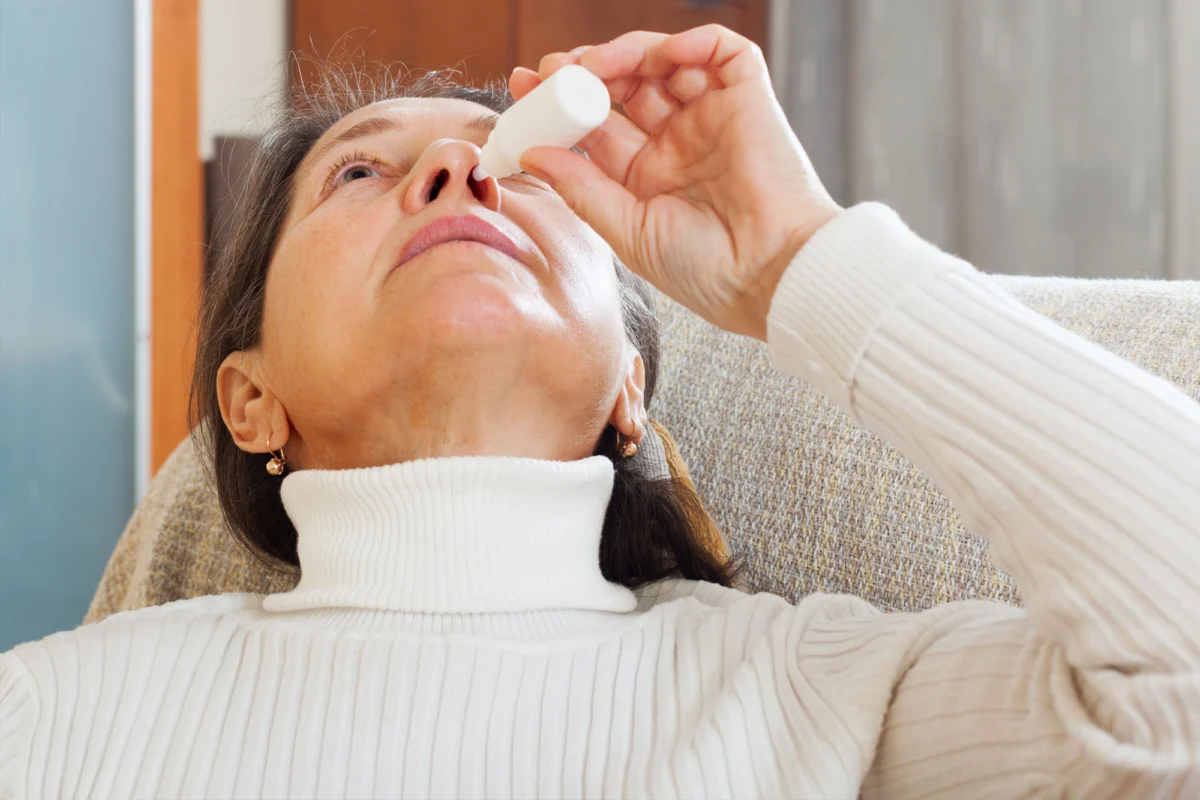
When the body becomes overburdened with Kapha, individuals may experience lethargy, sinus congestion, seasonal depression, or a lack of mental clarity. To counter these heavy, stagnant qualities, Ayurveda suggests the introduction of opposing energies: heating, drying, and expansive herbs. This is where the therapeutic practice of Nasya—the nasal administration of medicinal substances—becomes an essential tool in the seasonal wellness kit.
The Nasal Gateway: Anatomy and Consciousness
In Ayurvedic medicine, the nose is considered the doorway to the brain and consciousness. Unlike topical applications, substances administered through the nasal passages interact directly with the Majja Dhatu (nervous system). This route of administration is uniquely powerful because it bypasses the digestive tract, delivering potent botanical energetics directly to the brain centers.
The mechanics of Nasya are both physical and subtle. Upon inhalation, the medicine interacts with the Nadis, the "rivers of life" that transport energy throughout the body. Scientifically, this process triggers a physiological response: inhaled air travels toward the brain via the cribriform plate. This creates a subtle pressure on the meninges—the protective membranes of the brain and spinal cord—and stimulates the diaphragm. This rhythmic pumping action enhances the circulation of cerebrospinal fluid and improves both arterial and venous flow, effectively "waking up" the brain and clearing the cognitive fog often associated with winter.
Clinical Perspectives: The Five Methods of Nasya
While there are five traditional classifications of Nasya, the application must be tailored to the individual’s specific dosha (constitutional) imbalance. During the winter months, the focus shifts toward clearing the sinus passages and stimulating the prana (life force).
The Role of Vacha (Calamus Root)
Vacha is widely regarded as one of the most effective botanical allies for Kapha-related disorders. Its energetics—heating, pungent, and bitter—are perfectly calibrated to penetrate the density of winter-induced congestion. Vacha acts as a systemic cleanser, clearing the srotas (the body’s subtle channels) of obstructions and facilitating the purging of toxins.
Beyond its physical cleansing properties, Vacha is considered sattvic, meaning it promotes clarity, truth, and mental balance. By stimulating a mild sneezing reflex—a natural body mechanism—Vacha helps to recalibrate the prana and udana (upward-moving energy), effectively "resetting" the brain centers.
The Ginger-Jaggery Protocol
For those seeking a more accessible, culinary-based approach to sinus relief, the combination of ginger and jaggery offers a potent remedy. Ginger provides the necessary heat to liquefy stagnant mucus, while jaggery acts as a carrier, balancing the pungency of the ginger while providing mild nutritional support.
Preparation and Administration:
- Ingredients: Grate 1 teaspoon of fresh ginger and 1 teaspoon of high-quality jaggery.
- Extraction: Mix the ingredients into 1/3 cup of warm water.
- Refinement: Strain the mixture through a fine cheesecloth, ensuring all solid fibers are removed to avoid irritation.
- Application: Apply 2–3 drops into each nostril.
Users may experience an immediate, intense burning sensation and a reflexive flushing of the eyes and nose. This is a common physiological response to the pungency of the ginger. Following this, the user typically experiences an "after-glow"—a sense of exhilaration and expanded breathing capacity.
Implications for Modern Health and Safety
While the benefits of Nasya are well-documented within the Ayurvedic tradition, modern practitioners emphasize the importance of prudence. The nasal cavity is a sensitive environment; therefore, the following protocols must be observed:
- Freshness is Paramount: Nasal preparations must be created fresh for every application. Bacterial growth in stagnant water mixtures can lead to infections.
- Professional Consultation: Before beginning any Shodanam protocol, particularly Nasya, one should consult with an Ayurvedic practitioner or a qualified healthcare professional. Individuals with high blood pressure, structural nasal abnormalities, or chronic inflammatory conditions should exercise extreme caution.
- Gradual Implementation: The body’s response to these potent herbs can be intense. Beginners should start with minimal dosages to monitor for sensitivity.
Conclusion: Embodying Seasonal Wisdom
As we move through the winter months, our health is a reflection of our ability to adapt. Ayurveda does not suggest that we fight the winter, but rather that we use the wisdom of nature to balance its cold and heavy influence. Through the regular, mindful practice of Nasya, we can clear the channels of the mind, revitalize our life force, and emerge from the winter season with renewed clarity and strength.
By integrating these ancient techniques into our modern routines, we honor the profound connection between our physical anatomy and the cosmic rhythms that govern our well-being. Whether through the heating pungency of Vacha or the clearing efficacy of ginger and jaggery, the path to balance is not found in external fixes, but in the intelligent, seasonal tuning of the body’s own internal mechanisms.
Disclaimer: The information provided in this article is for educational purposes and is based on traditional Ayurvedic practices. It is not intended to replace professional medical advice, diagnosis, or treatment. Always seek the advice of your physician or other qualified health provider with any questions you may have regarding a medical condition.