BUNIA, Democratic Republic of the Congo — The eastern provinces of the Democratic Republic of the Congo (DRC) are currently grappling with a public health emergency of harrowing proportions. As of the latest reporting from the Ministry of Health, confirmed cases of the Ebola virus have officially surpassed the 1,000 mark, reaching 1,003 infections. With 254 fatalities already recorded, the virus—specifically the rare and virulent Bundibugyo strain—is demonstrating a lethal efficiency that continues to outpace the reach of humanitarian responders.
The situation is characterized by a "triple threat": a pathogen with no approved vaccine or specific medical treatment, a population perpetually displaced by regional insurgency, and a critical breakdown in the contact-tracing infrastructure essential to containing a viral hemorrhage.
The Current State of the Outbreak: A Statistical Overview
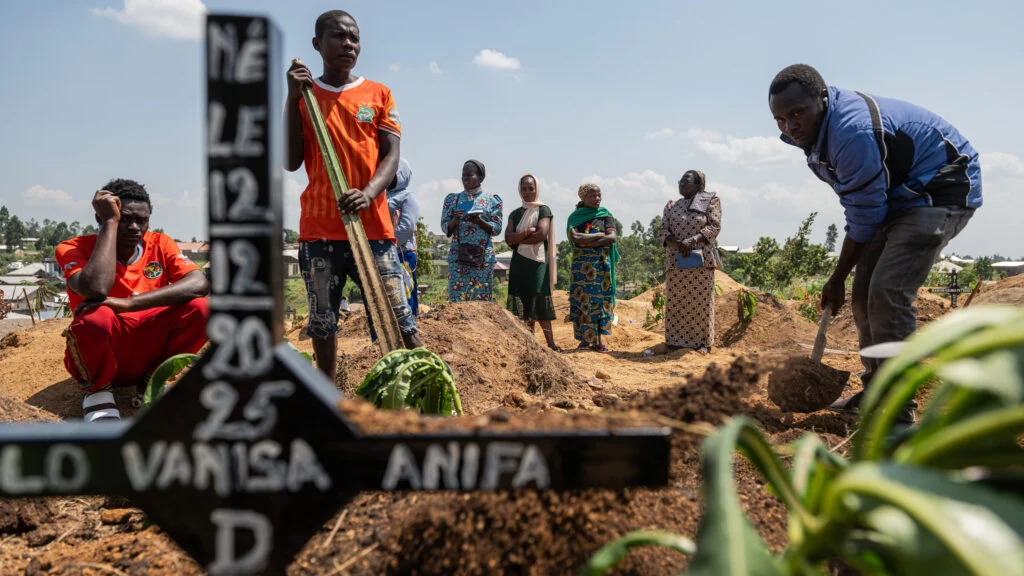
Since the official declaration of the outbreak on May 15, the Ministry of Health has been laboring to quantify the damage. While 100 individuals have successfully recovered, the burden on the healthcare system is immense. At least 365 patients are currently confined to hospitals or specialized isolation centers, struggling for survival.
The most concerning metric, however, is the efficacy of contact tracing. Authorities report a mere 55% coverage rate, meaning nearly half of the individuals who have potentially been exposed to the virus are currently unaccounted for. Health officials admit that the 1,003 confirmed cases likely represent only the tip of an iceberg, as the virus spreads through rural, conflict-ridden zones where surveillance teams are unable to venture.
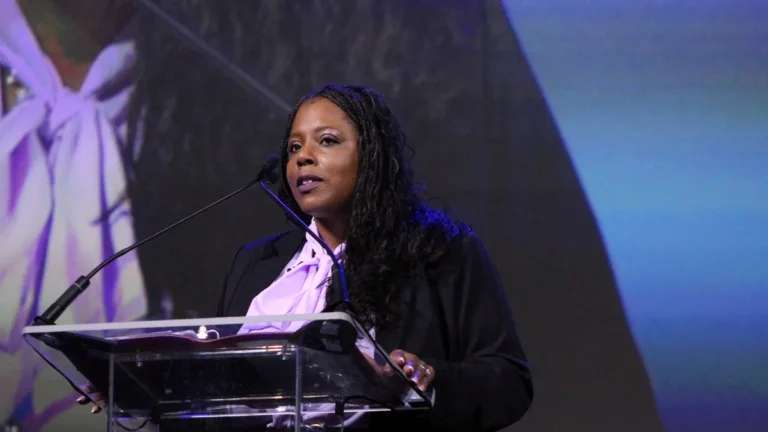
"If you want to control an outbreak, especially an Ebola outbreak, you must know the index case," Dr. Jean Kaseya, Director-General of the Africa Centers for Disease Control and Prevention (Africa CDC), told The Associated Press last week. "We don’t have confidence on when this outbreak started."
Chronology of a Mounting Disaster
- Mid-May: The Congolese Ministry of Health officially declares an Ebola outbreak in Ituri province after diagnostic tests identify the Bundibugyo virus.
- Late May: The first month of the outbreak is characterized by experts as the worst in the history of the specific strain, showing rapid transmission rates.
- Early June: The cumulative death toll crosses the 200-mark as hospitals in Bunia and surrounding districts reach maximum capacity.
- Mid-June: Health authorities confirm the milestone of 1,000 cases. Reports emerge of "unexplained deaths" at the Kigonze displacement camp, sounding alarms among international observers.
- Present Day: The focus shifts to the immense difficulty of tracking an estimated 35,000 people who have come into contact with confirmed cases, even as insurgent violence complicates movement.
The Invisible Threat: Why Containment is Failing
The primary obstacle to controlling this Ebola outbreak is the security vacuum in eastern Congo. The Ituri province has long been a theater of operations for various armed groups, most notably the Allied Democratic Forces (ADF), a militant group with ties to the Islamic State.
These militants have effectively cordoned off large swaths of the province. Roads are frequently blocked by ambushes, and villages have been rendered inaccessible to medical convoys. When violence strikes, it triggers mass displacement, forcing thousands of civilians to flee into the bush or gather in overcrowded, poorly sanitized camps. This constant movement is the perfect environment for the Bundibugyo virus to jump from host to host undetected.
Furthermore, the lack of an index case—the "patient zero"—means that the original transmission chain remains a mystery. Without identifying how the virus first entered the human population, epidemiologists cannot predict the geography of the next cluster of infections. This creates a reactive rather than a proactive response, leaving health workers in a perpetual state of "chasing the virus."
Displaced Populations: A Catastrophe in the Making
The situation at the Kigonze displacement camp in Bunia serves as a microcosm of the wider crisis. Home to over 20,000 displaced persons, the camp is a powder keg. On Friday, camp officials reported 10 deaths occurring under unusual, non-combat-related circumstances. While Ebola has not been definitively confirmed at the site, the sudden spike in mortality is a chilling indicator.
"If a disease or epidemic were to spread among the thousands of people living at this site, it would be a real catastrophe given our already very precarious living conditions," said Charité Banza, a prominent civil society leader in Ituri.
The U.N. refugee agency (UNHCR) has expressed profound alarm. With over 2 million people forcibly displaced across the region, the potential for a massive, uncontained viral spread is exponential. The agency noted that at least 320,000 refugees are currently living in "high-risk" zones where the virus is known to be circulating. The precariousness of their shelter—often makeshift tents or repurposed community buildings—precludes the possibility of effective social distancing or quarantine.
Official Responses and International Obligations
The Congolese Ministry of Health, supported by the Africa CDC and international non-governmental organizations, is working under extreme duress. However, the lack of vaccines or specific therapeutics for the Bundibugyo strain places an extraordinary burden on supportive care. Patients rely entirely on the ability of local hospitals to provide hydration, electrolyte replacement, and pain management—resources that are currently stretched to the breaking point.
Dr. Kaseya and other public health officials have signaled that the peak of the outbreak is likely still ahead. This admission serves as a grim forecast for the coming weeks, suggesting that the current death toll of 254 will inevitably rise.
International bodies are being urged to increase funding for regional surveillance, not just for Ebola, but for the broader humanitarian needs of the displaced. The crisis in Ituri is a stark reminder of the vulnerability of post-conflict societies to health shocks. When a health system is already hollowed out by years of regional instability, a virus that would be manageable in a stable country becomes a existential threat.
Implications for Global Health Security
The current outbreak poses significant questions for global health security. The Bundibugyo virus, while less frequent than the Zaire strain that ravaged West Africa in 2014-2016, is proving that its containment is inextricably linked to regional political stability.
If the international community cannot find a way to navigate the security challenges in eastern Congo, the risk of cross-border transmission grows. Refugees fleeing the violence are not only moving within the DRC; they are crossing porous borders into neighboring countries, potentially carrying the virus into regions with even fewer diagnostic resources.
The consensus among aid workers on the ground is clear: until the security situation allows for unfettered access to the most remote villages and the most vulnerable camps, the virus will continue to outpace the response. The "shadow" of the outbreak is lengthening, and without a robust, multi-layered intervention that addresses both the medicine and the militarization of the region, the path forward remains dangerously obscured.
As the sun sets over the Kigonze camp, the residents—and the world—are waiting to see if tomorrow brings a medical breakthrough or a further descent into an epidemic that the current infrastructure is simply not built to handle.