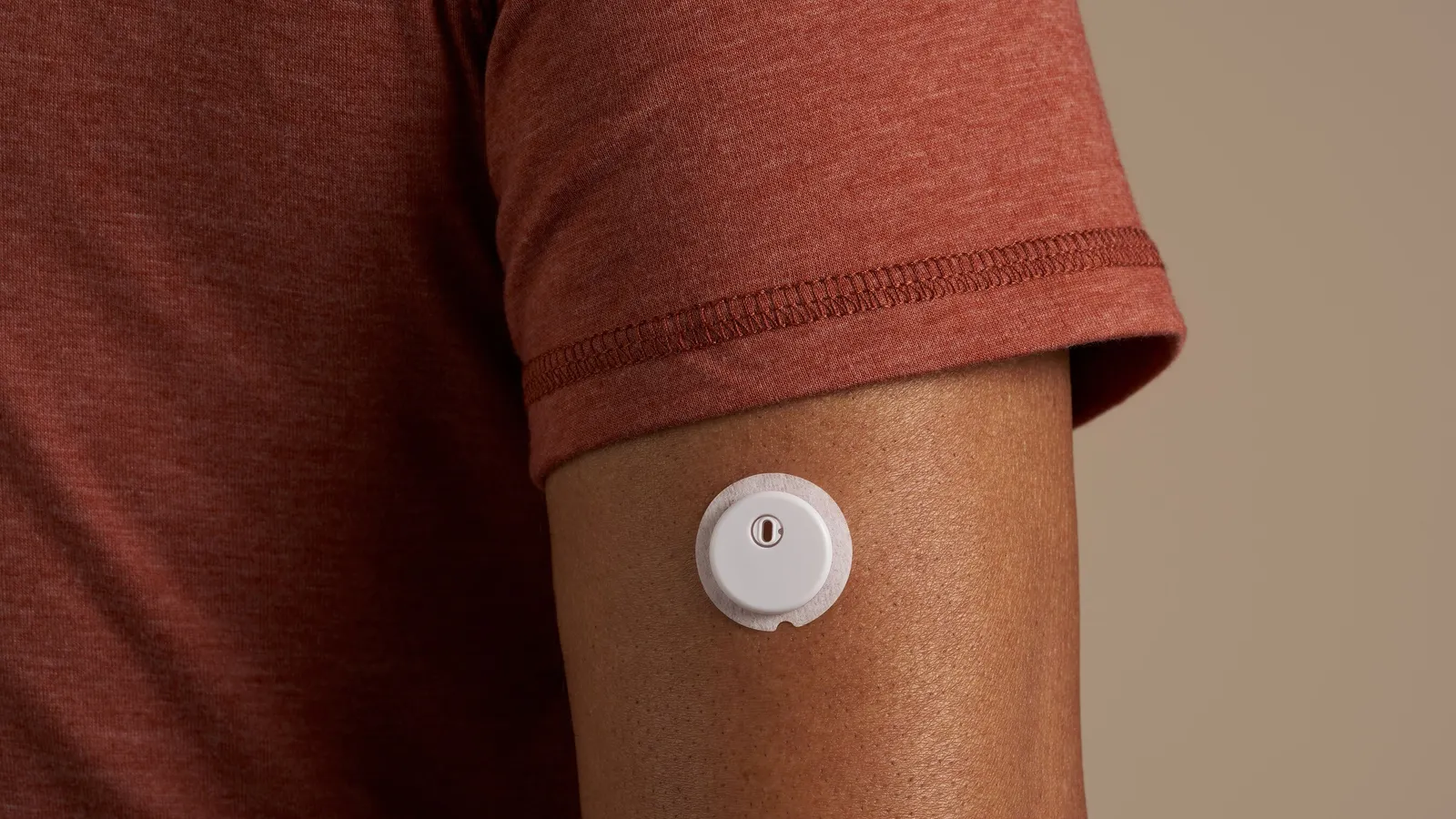
The landscape of personal health technology is undergoing a seismic shift. For over a decade, continuous glucose monitoring (CGM) has been the gold standard for diabetes management, transforming the lives of millions by providing real-time insights into blood sugar fluctuations. However, the next frontier in medtech is not merely measuring glucose—it is the pursuit of the "multi-analyte" sensor. By tracking ketones, lactate, potassium, and oxygen in real-time, medical technology firms are aiming to provide a comprehensive, 360-degree view of human metabolic health.
Leading this charge is Abbott, which recently secured CE Mark approval in Europe for its groundbreaking dual-analyte sensor. This development has triggered a global conversation among clinicians, patients, and industry analysts regarding the immense clinical potential of these devices, balanced against the looming challenge of data saturation and clinical implementation.
The New Frontier: Abbott’s Libre Duo and the Fight Against DKA
Abbott’s regulatory success in Europe for the "Libre Duo" represents a significant technological leap. By integrating continuous ketone monitoring directly into the existing CGM framework, Abbott is addressing one of the most perilous complications of Type 1 diabetes: diabetic ketoacidosis (DKA).
DKA occurs when the body, lacking sufficient insulin, begins to break down fat for fuel, causing an accumulation of acidic ketones in the bloodstream. If left unchecked, it can lead to coma or death. Traditionally, patients rely on intermittent urine test strips or sporadic blood ketone meters to assess their risk. By the time these manual tests are performed, a patient may already be in the throes of a medical crisis.
"The symptoms of DKA—nausea, abdominal pain, and thirst—are frequently misidentified by patients and caregivers as common ailments like food poisoning or the flu," explains Alisa Schiffman, Abbott’s senior medical director. "By working in the background to detect rising ketone levels continuously, the Libre Duo provides a critical early warning system."
Abbott’s strategy is clear: transition the patient from reactive treatment to proactive intervention. With the device slated for a European launch later this year and a regulatory filing already submitted to the U.S. Food and Drug Administration (FDA), the company is positioning itself to set the standard for the next generation of diabetes care.
A Chronology of Innovation: From Single-Metric to Holistic Monitoring
The evolution of biosensing technology has been a decades-long pursuit of miniaturization and precision.
- Pre-2010s: Diabetes management was defined by finger-prick testing. CGM technology was in its infancy, largely reserved for clinical settings or highly specialized patient cohorts.
- 2016: Rajiv Shah, formerly of Medtronic, founded PercuSense, grounded in the belief that glucose monitoring was merely the tip of the iceberg. The company began developing a platform capable of tracking glucose, lactate, ketones, and tissue oxygen simultaneously.
- 2023: Biolinq received FDA de novo authorization for its CGM sensor, distinguishing itself with a unique design that sits flush with the skin rather than utilizing traditional interstitial filaments.
- 2024: Abbott achieves a major milestone with the European approval of its dual-analyte sensor, effectively initiating the commercial era of multi-analyte monitoring.
- 2027–2028 (Projected): Industry leader Dexcom anticipates the launch of its own multi-analyte platform, with a focus on glucose and potassium tracking to support patients with chronic kidney disease.
Strategic Divergence: How Major Players Differ
While the industry agrees on the necessity of multi-analyte tracking, the roadmap for execution varies significantly between firms.
Abbott is prioritizing acute clinical safety by targeting ketones. This aligns with their massive installed base of CGM users who already rely on the company for daily glycemic control. By solving the "DKA problem" first, they ensure immediate utility for their most vulnerable patient demographic.
Conversely, Dexcom is charting a broader course. CEO Jake Leach has identified the intersection of diabetes and chronic kidney disease as a primary target. By planning a sensor that tracks both glucose and potassium, Dexcom aims to address the needs of patients whose metabolic health is compromised by renal complications. This approach highlights a shift toward "condition-specific" sensors rather than one-size-fits-all devices.
Meanwhile, smaller, more agile firms are pushing the envelope of biological data. PercuSense is currently initiating two major studies, funded by the Helmsley Charitable Trust, to evaluate their four-analyte system (glucose, lactate, ketones, and oxygen). One study is set in an intensive care unit (ICU) environment, providing a rigorous stress test for the sensor’s accuracy in critically ill patients.
Supporting Data: The Case for Lactate and Beyond
The inclusion of lactate and oxygen markers is not merely a "feature add"—it is a fundamental change in how we define metabolic health. Biolinq, for instance, is heavily focused on the diagnostic power of lactate.
"There has never been a continuous lactate sensor approved by the FDA," notes Biolinq CEO Rich Yang. Lactate is a critical marker not only for insulin resistance but also for athletic performance and recovery. For individuals with Type 2 diabetes, early detection of elevated lactate levels could theoretically allow for earlier lifestyle interventions, potentially delaying or preventing the progression of insulin-related metabolic disorders.
PercuSense’s focus on oxygen levels in tissue offers yet another layer of insight. By monitoring tissue oxygenation, clinicians could better understand how effectively a patient’s body is utilizing insulin and managing glucose at the cellular level. This granular data could eventually allow for "closed-loop" systems where insulin delivery is optimized not just based on blood sugar, but based on the body’s actual metabolic state.
The Challenge of Information Overload
As the industry pivots toward these complex devices, a major debate has emerged: how much data is too much?
"People with diabetes understand glucose pretty well, and even that is overwhelming just with standard CGM," admits Brian Kannard, CEO of PercuSense. The danger lies in "alarm fatigue"—the phenomenon where users become desensitized to constant notifications, leading to poor adherence or the ignoring of genuine medical emergencies.
To mitigate this, companies are turning to sophisticated software algorithms. The goal is not to present a dashboard of four different fluctuating graphs, but to offer "actionable insights." Instead of telling a user their lactate is at 2.1 mmol/L, the device might suggest, "Your metabolic markers suggest a high risk of insulin resistance today; consider consulting your care plan."
This shift requires a new partnership between the patient and the physician. Clinicians will need to be trained to interpret these multi-analyte datasets, and healthcare systems will need to develop protocols for how to handle the data influx.
Implications for the Future of Healthcare
The implications of this technology extend far beyond the diabetes community. If a sensor can accurately measure cortisol (a stress hormone), potassium, and lactate, the consumer health market for "wearable metabolic tracking" could dwarf the current diabetes market.
- Preventative Medicine: By identifying metabolic trends before they manifest as disease, these sensors could become the foundation of proactive, preventative care.
- Clinical Research: The ability to track real-time biomarkers in outpatient settings will accelerate clinical trials, providing researchers with longitudinal data that was previously impossible to capture.
- Individualized Therapy: We are moving toward a future of "N=1" medicine, where medication dosages and lifestyle recommendations are tailored to an individual’s real-time internal environment.
However, significant hurdles remain. Accuracy remains the primary gatekeeper; in the ICU or during a potential DKA event, the margin for error is non-existent. Furthermore, the regulatory pathway for multi-analyte devices is complex. The FDA must balance the need for innovation with the necessity of ensuring that adding new sensors does not interfere with the primary, life-saving function of glucose monitoring.
Conclusion: A New Era of Biological Literacy
The move toward multi-analyte sensors is an admission that glucose, while vital, is only one piece of a much larger metabolic puzzle. As firms like Abbott, Dexcom, PercuSense, and Biolinq race to bring these devices to market, the patient of the future will possess a level of biological literacy previously reserved for medical professionals.
The transition will not be seamless. It will require advancements in machine learning to filter noise, robust clinical studies to prove efficacy, and a fundamental shift in the patient-provider relationship. Yet, the destination—a world where medical crises like DKA are intercepted before they begin, and where metabolic health is managed with the precision of a high-performance machine—is well worth the effort. The next decade of medtech will be defined by the sensors that finally allow us to listen to the silent language of our own metabolism.