In the landscape of modern fitness, where complex machinery and high-intensity interval training often dominate the headlines, there is a quiet, unassuming movement that remains the cornerstone of physical longevity: the glute bridge. Often dismissed as a mere "warm-up" exercise, the bridge hold is, in reality, a litmus test for structural integrity.
According to Jacob Siwicki, founder of Siwicki Fitness and a leading authority in corrective exercise and functional movement, the glute bridge is the most "honest" assessment of core and posterior chain health available. If you want to know how your body will hold up as you navigate the challenges of aging, look no further than your ability to hold this single, static position.
Main Facts: The Anatomy of a Bridge
The glute bridge is deceptively simple. To perform it correctly, one lies supine on a flat surface, knees bent at a 90-degree angle, with feet planted firmly on the floor. The objective is to elevate the pelvis until the body forms a straight, diagonal line from the shoulders to the knees.
While the motion itself is straightforward, the physiological demand is profound. Maintaining this position requires the simultaneous recruitment of the transverse abdominis—the body’s internal "corset"—alongside the glutes, hamstrings, and the spinal erectors. Unlike crunches or sit-ups, which focus on superficial abdominal muscles, the bridge hold stabilizes the pelvis and spine, creating a foundational strength that is essential for every movement performed in an upright position.
The Chronology of Core Development
For many, the journey to mastering the glute bridge begins with basic activation, but the progression toward "top-tier" status follows a clear timeline of adaptation:
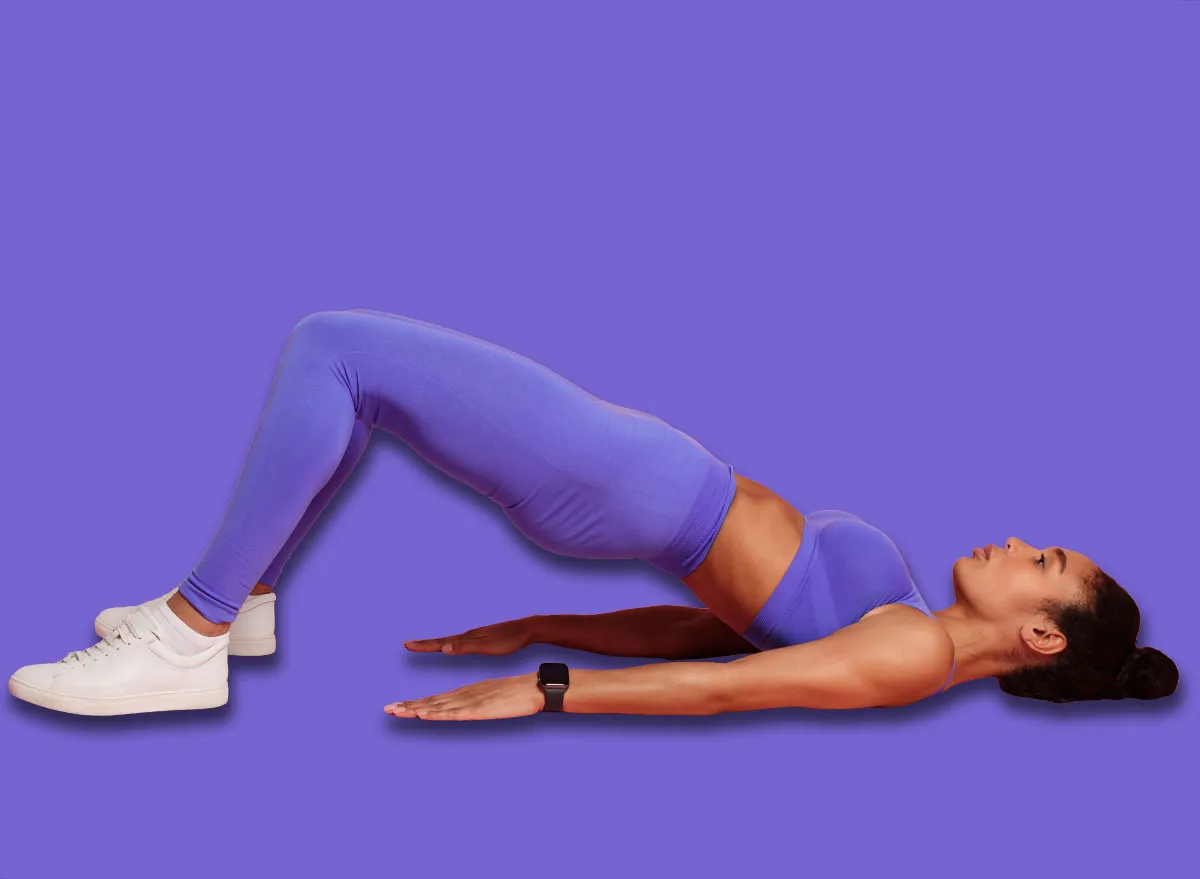
- The Activation Phase (Weeks 1-4): Beginners often struggle with "glute amnesia," where the glutes fail to fire properly, forcing the lower back to compensate. During this stage, the goal is simply to hold the bridge for 10–15 seconds without lower back strain or cramping.
- The Endurance Phase (Weeks 5-12): As neuromuscular pathways strengthen, the body begins to recruit the glutes more efficiently. The target here is to reach a 30-second hold, which signifies that the deep core and posterior chain are working in synergy.
- The Performance Phase (Month 3 and beyond): At this stage, the individual is building true durability. Achieving a 60-second hold with perfect form is the hallmark of an advanced, highly functional physique.
Supporting Data: What the Numbers Tell Us
The "Bridge Hold Test" has become a favored metric among elite personal trainers for a reason: it reveals structural imbalances that dynamic movements often mask.
"If you are over 60 and can hold a high-quality bridge for 60 seconds, you are operating in a top-tier category of physical fitness," says Siwicki. He notes that 30 seconds is a respectable, functional baseline for the average active adult. However, the progression from 30 to 60 seconds represents a significant shift in muscular endurance and spinal stability.
Crucially, Siwicki emphasizes that data is only as good as the form behind it. "A shaky, sagging, or cramping 60-second hold is inferior to a rock-solid, 30-second hold," he explains. "The goal of the test isn’t to hit a number—it’s to demonstrate that your ‘engine’ is firing on all cylinders."
Official Expert Insight: The Philosophy of Jacob Siwicki
Jacob Siwicki, whose credentials include NCSF and AFAA certifications and a track record as a top-ranked Equinox instructor, brings a unique perspective to fitness. With a background in high-level athletics—including his time as a Dartmouth football player—Siwicki views the body through the lens of performance economics.
"The bridge is the ultimate return on investment," Siwicki notes. "Because you are supine, you remove the compressive forces of gravity on the spine, making it a safe exercise for almost everyone. Yet, it forces the posterior chain—the hamstrings, glutes, and lower back—to engage in a way that directly translates to walking, lifting, and climbing."
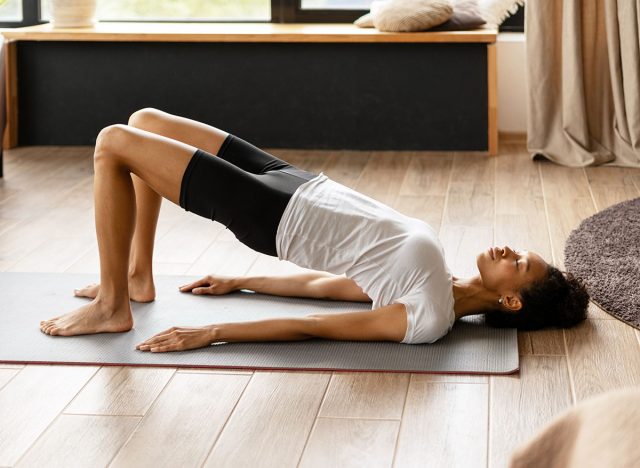
Siwicki argues that the bridge is "honest" because it leaves no room for momentum. In a deadlift or a squat, one might use peripheral muscles or poor mechanics to "cheat" a repetition. In a bridge hold, the muscles must perform the work under constant tension. If the glutes aren’t strong enough, the lower back will immediately protest, providing instant biofeedback to the trainee.
Implications: How It Translates to Real Life
Why should a 60-second hold matter to someone who isn’t an athlete? The answer lies in the mechanics of daily living.
1. The Stairwell Test
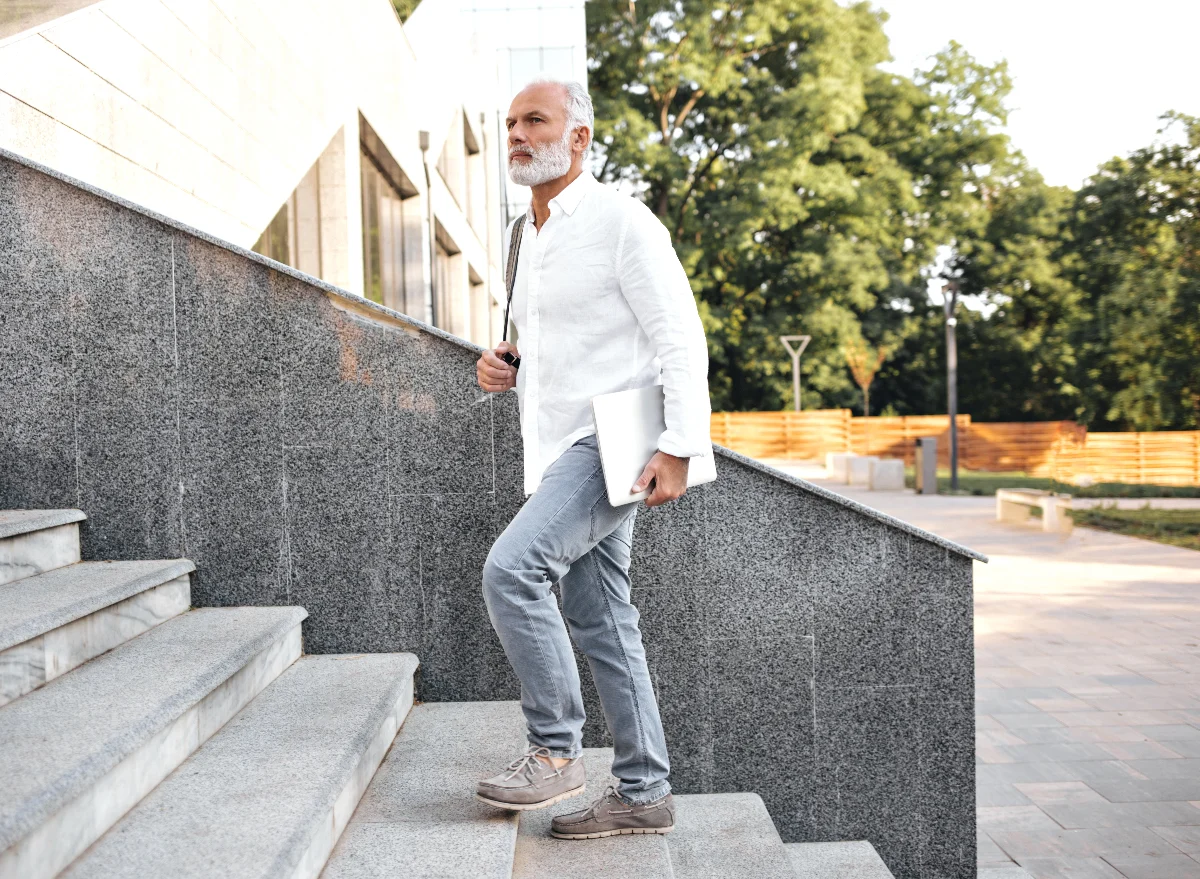
Climbing stairs is essentially a series of single-leg glute bridges. When your glutes are weak, your knees and lower back take on the burden of lifting your body weight. By strengthening the glute-hamstring connection, you effectively "outsource" the labor of climbing to the largest, most powerful muscles in the body, protecting your joints from premature wear.
2. The Sit-to-Stand Transition
Getting out of a chair, a car, or a low sofa requires significant hip extension. As we age, the atrophy of the glutes leads to what is often called "chair-dependency." A strong bridge hold ensures that the "drive" required to stand up remains fluid and effortless, reducing the risk of falls and improving mobility.
3. Postural Integrity
The deep core muscles—specifically the transverse abdominis—are responsible for spinal support. A sedentary lifestyle causes these muscles to weaken, leading to the "slump" that plagues many adults. Regularly practicing the bridge hold "re-educates" these muscles to maintain a neutral spine, which can alleviate chronic back pain and improve overall posture.

Cultivating a "Bridge-First" Mindset
To incorporate this into your routine, Siwicki suggests treating the bridge not just as an exercise, but as a diagnostic tool. Start your workouts by performing three sets of bridges. Use the first set to "wake up" the glutes, the second to focus on form, and the third as your "test" set to track your hold time.
If you find yourself struggling to reach the 30-second mark, focus on pelvic alignment. Ensure your ribs are tucked—preventing the lower back from arching—and squeeze your glutes at the apex of the movement. If you feel a cramp in your hamstrings, it is a sign that your glutes are not firing correctly; try placing your feet slightly further away from your body to shift the load.
Conclusion: The Long Game of Fitness
As we age, the objective of fitness shifts from building maximum muscle mass to maintaining maximum functional independence. The glute bridge provides a roadmap for this goal. It is a bridge—quite literally—between the fragility of a sedentary lifestyle and the strength required for a vibrant, active future.
By dedicating just one minute of your day to this hold, you aren’t just hitting a fitness milestone; you are investing in the mechanics of your own body. Whether you are 20 or 80, the ability to maintain a strong, stable bridge is perhaps the most accurate indicator of how well you will move through the years to come. Listen to the test, respect the form, and let your body’s own strength be your guide.