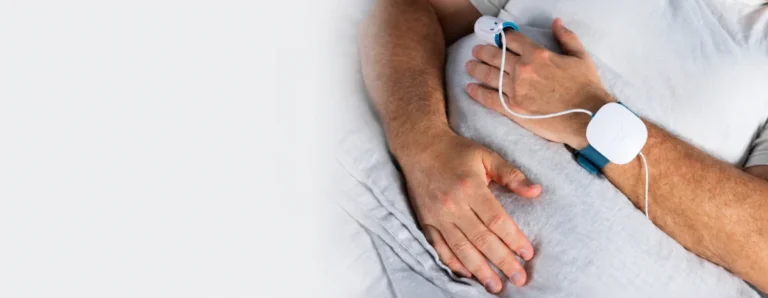
In the quiet hours of the night, millions of people struggle with a thief that steals their energy, their focus, and, over time, their long-term cardiovascular health. This thief is obstructive sleep apnea (OSA), a chronic disorder characterized by repeated pauses in breathing during sleep. While OSA is incredibly common, it is also frequently underdiagnosed, leaving many to navigate their daily lives in a fog of persistent exhaustion. Fortunately, medical science has developed accessible, low-barrier tools to help individuals identify their risk levels. Among these, the STOP-BANG questionnaire stands as a gold-standard screening instrument, acting as a critical gateway to professional diagnosis and life-changing treatment.
The Physiology of the Pause: Understanding Obstructive Sleep Apnea
To understand why screening tools like STOP-BANG are necessary, one must first grasp the mechanics of obstructive sleep apnea. During sleep, the muscles in the back of the throat relax. In individuals with OSA, these muscles collapse to the point of obstructing the airway, effectively preventing oxygen from reaching the lungs.
When the brain detects this drop in oxygen levels, it briefly rouses the sleeper—often just enough to tighten the throat muscles and restore airflow. These "micro-arousals" can happen dozens or even hundreds of times per hour. The result is a fragmented sleep cycle that prevents the body from achieving the restorative deep-sleep stages. Over time, this cycle creates a massive physiological debt, leading to daytime fatigue, cognitive impairment, and a significantly heightened risk of hypertension, stroke, and heart disease.
The STOP-BANG Questionnaire: A Gateway to Better Health
The STOP-BANG questionnaire is a validated, eight-item screening tool designed to identify individuals at high risk for OSA. Developed by Dr. Frances Chung and her colleagues, the acronym provides a simple mnemonic that covers the primary physical and demographic risk factors associated with the condition.
Breaking Down the Acronym
The questionnaire functions on a simple "yes/no" scoring system, where each affirmative response adds one point to the total score. The acronym stands for:
- S (Snoring): Do you snore loudly (loud enough to be heard through closed doors or enough to annoy your bed partner)?
- T (Tired): Do you often feel tired, fatigued, or sleepy during the daytime?
- O (Observed): Has anyone observed you stop breathing or choking/gasping during your sleep?
- P (Pressure): Do you have or are you being treated for high blood pressure?
- B (BMI): Is your Body Mass Index greater than 35 kg/m²?
- A (Age): Are you older than 50 years?
- N (Neck Circumference): Is your neck circumference greater than 40 cm (16 inches)?
- G (Gender): Are you male?
With a maximum score of eight, the tool provides a rapid assessment of an individual’s likelihood of having OSA. A score of three or higher is widely considered the threshold for an "increased risk," serving as a clinical indicator that a formal evaluation by a sleep specialist is warranted.
A Chronological Perspective: The Evolution of Sleep Screening
The journey toward modern sleep medicine began in earnest during the mid-20th century. For decades, the diagnosis of sleep disorders was restricted to complex, expensive, and time-consuming in-laboratory polysomnography (PSG). As the prevalence of sleep apnea became better understood, the medical community recognized an urgent need for "triage" tools—methods to separate the general population into groups requiring urgent care and those who do not.
The STOP-BANG questionnaire emerged as a response to this need in the late 2000s. Unlike previous tools, which were often cumbersome or focused strictly on subjective symptoms, STOP-BANG successfully synthesized objective physical markers (like BMI and neck circumference) with subjective experiences (snoring and fatigue). Since its validation in 2008, it has become the standard in pre-operative assessments, ensuring that surgeons and anesthesiologists can identify patients at risk for airway complications before a patient is ever sedated.
Supporting Data: Why Accuracy Matters
Research consistently underscores the efficacy of the STOP-BANG tool. In a landmark study published in the journal Anesthesiology, researchers found that the tool displayed a high sensitivity for detecting moderate to severe OSA. Its strength lies in its "negative predictive value"—if a patient scores low on the STOP-BANG, it is highly likely that they do not have severe sleep apnea.
However, data also highlights the necessity of nuance. While the questionnaire is excellent for screening, it lacks the specificity to be a diagnostic tool. A high score does not provide a definitive diagnosis; rather, it acts as a "red flag" that triggers the next step in the medical algorithm: an objective sleep study. These studies—whether performed in an AASM-accredited lab or via home testing equipment—are the only way to measure the Apnea-Hypopnea Index (AHI), which quantifies the actual number of breathing pauses per hour.
Official Responses and Clinical Guidelines
The American Academy of Sleep Medicine (AASM) and other professional bodies emphasize that while screening tools are invaluable for primary care, they should not replace a physician’s clinical judgment.
"The questionnaire is a starting point, not an endpoint," notes sleep medicine experts. Clinical guidelines dictate that when a patient scores a three or higher, the physician must perform a physical examination of the upper airway, review the patient’s complete medical history, and evaluate for comorbidities like diabetes or cardiac arrhythmias.
Furthermore, the owners of the tool—Dr. Frances Chung and the University Health Network—have been careful to maintain the integrity of the questionnaire, encouraging clinical environments to utilize the tool in its validated form. They emphasize that the tool’s primary utility is to reduce the "silent epidemic" of undiagnosed sleep apnea by bringing the conversation out of the bedroom and into the doctor’s office.
Implications for Public Health
The widespread adoption of the STOP-BANG questionnaire has profound implications for public health. Because OSA is a major contributor to motor vehicle accidents, workplace errors, and lost productivity, the economic burden of untreated sleep apnea is measured in the billions of dollars annually.
By empowering individuals to screen themselves, the medical community is shifting the paradigm from reactive to proactive care. When a patient realizes that their snoring or daytime sleepiness is not just a "normal part of aging," they are more likely to seek help. This early intervention is key to preventing the systemic damage caused by chronic intermittent hypoxia.
The Road Ahead: From Screening to Treatment
If your STOP-BANG score suggests you are at risk, do not view it as a diagnosis of failure, but rather as a roadmap for improvement. The next steps are well-defined:
- Schedule an Appointment: Present your results to your primary care physician. They can determine if you meet the clinical criteria for a sleep study.
- Conduct the Study: Whether it is a home sleep apnea test or an overnight visit to a sleep lab, this data will provide the definitive answer you need.
- Explore Treatment: If you are diagnosed, modern medicine offers highly effective treatments. Continuous Positive Airway Pressure (CPAP) therapy remains the gold standard, but for many, oral appliances or lifestyle modifications can also yield significant benefits.
Conclusion: Reclaiming the Night
Sleep apnea is a common, treatable, and manageable condition. The struggle with fatigue, the embarrassment of loud snoring, and the anxiety of nocturnal choking do not have to be your permanent reality. The STOP-BANG questionnaire is more than just a list of questions; it is a tool for reclamation. By taking the few minutes required to evaluate your risk factors, you are taking the first step toward reclaiming the restorative, uninterrupted sleep that your body needs to function at its best.
If you suspect you may be suffering from sleep apnea, do not wait for the next day to feel like a chore. Consult a professional, get the testing you deserve, and begin your journey toward a healthier, more vibrant life. Your health is built in the hours you spend in bed—ensure that time is spent healing, not struggling to breathe.
Disclaimer: This article is provided for educational purposes only. The STOP-BANG questionnaire is owned by Dr. Frances Chung and UHN. It is not a substitute for professional medical advice, diagnosis, or treatment. Always seek the advice of your physician or another qualified health provider with any questions you may have regarding a medical condition.