In a significant move that reshapes the landscape of surgical robotics, German medical technology giant Karl Storz has announced a sweeping organizational realignment. This shift involves the discontinuation of the Asensus Surgical brand and its flagship Senhance robotic platform, alongside a major workforce reduction at the subsidiary’s Morrisville, North Carolina headquarters. The decision, which marks a dramatic departure from the vision articulated just months ago, signals a strategic pivot toward integrating robotic intelligence into a broader, unified surgical ecosystem rather than pursuing standalone robotic hardware.
The Core Facts: A Significant Reduction in Force
According to a Worker Adjustment and Retraining Notification (WARN) filed with the state of North Carolina on June 16, Karl Storz plans to lay off 108 employees at the former Asensus Surgical facility in Morrisville. The cuts are substantial, representing a significant portion of the subsidiary’s workforce, which totals approximately 200 employees across 12 countries.
The layoffs are scheduled to commence on August 15 and will occur in phases over a six-month period. The affected personnel span multiple critical functions, including senior leadership, operational management, and a specialized team of approximately 30 engineers. Despite the heavy reduction in staff, the company has confirmed that the Morrisville facility will remain operational, serving as a hub for the integration of remaining assets into the parent company’s global infrastructure.
Chronology of the Acquisition and Pivot
The current situation represents a rapid turnaround from the optimism surrounding the acquisition of Asensus Surgical by Karl Storz, which closed in August 2024.
- August 2024: Karl Storz officially completes its acquisition of Asensus Surgical. At the time, leadership expressed enthusiasm regarding the synergy between the two companies, specifically highlighting the potential to accelerate the development of the "Luna" next-generation robotic system.
- Late 2024 to Early 2025: During the initial integration period, teams worked toward the goal of refining the Luna platform and continuing support for the Senhance system.
- June 2025: Karl Storz files the WARN notice in North Carolina, officially signaling the cessation of development for the Luna platform and the decision to sunset the Senhance system.
- August 15, 2025: The anticipated start date for the workforce reduction, marking the beginning of the end for the Asensus brand identity.
This timeline reflects the high-stakes, volatile nature of the medtech sector, where the integration of acquired technologies often leads to unforeseen strategic pivots once deep-dive technical evaluations are completed.
Supporting Data and Technical Implications
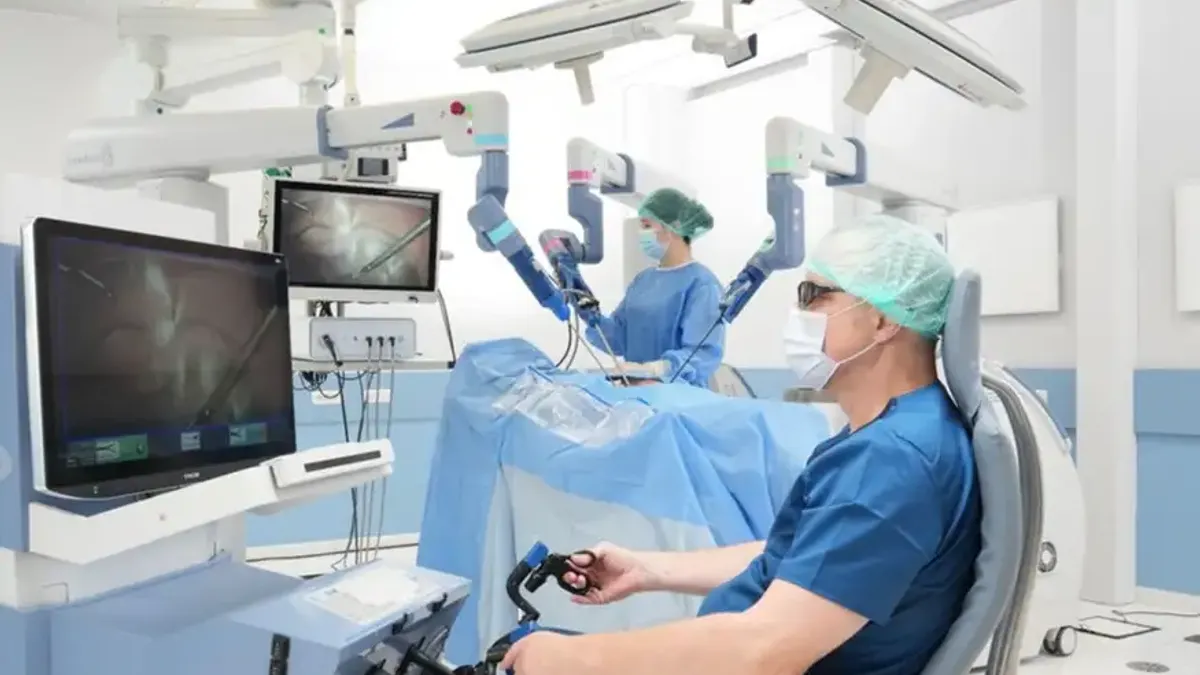
The decision to retire the Asensus brand is not merely a rebranding exercise; it is a fundamental shift in technical philosophy. The Senhance system was known for its "digital laparoscopy" approach, focusing on haptic feedback and eye-tracking technology. However, in an increasingly crowded surgical robotics market dominated by entrenched players, maintaining a standalone platform requires immense capital expenditure and a robust, specialized sales force.
By choosing to discontinue the Luna robotics hardware, Karl Storz is effectively moving away from being a "robot-first" company in the surgical space. Instead, the company is prioritizing the extraction of value from the "soft" assets acquired during the purchase.
According to official statements, the software engineering expertise and clinical data sets developed by Asensus will be moved into the Karl Storz Global R&D organization. The goal is to utilize these intellectual properties as an "innovation engine" for the company’s entire surgical ecosystem. This suggests that the future of Karl Storz’s robotic ambitions lies in "intelligent imaging" and "connected systems"—features that can be embedded across their vast existing portfolio of endoscopes, cameras, and visualization tools, rather than being confined to a single robotic console.
Official Responses and Corporate Strategy
In a statement provided to MedTech Dive, Karl Storz emphasized that while the Asensus brand is being retired, the underlying technology will live on.
"The software engineering expertise, clinical data, and intellectual property developed by Asensus will be integrated into KARL STORZ’s Global R&D organization, where they will serve as an innovation engine for its entire surgical ecosystem," the company stated. They further noted that this expertise is expected to accelerate progress in "intelligent imaging and connected systems," areas that the company clearly views as more scalable than standalone robotics.
Regarding the Senhance system, the company acknowledged the burden on existing clients: "We are working with customers to support the transition." While the company remains committed to the broader field of robotics—stating that "Robotics will remain a valuable layer of the surgical environment for certain applications and patient groups"—the methodology of delivery is clearly changing. By absorbing the technology into their own brand, Karl Storz aims to eliminate the friction of managing a subsidiary and instead offer a more cohesive, integrated suite of products to hospital procurement departments.
Implications for the Surgical Robotics Industry
The fallout from this restructuring offers several critical lessons for the medical technology sector:
1. The Consolidation of the Robotic Landscape
The surgical robotics market has moved from a "gold rush" phase, where any new robotic platform was seen as a potential disruptor, to a "consolidation" phase. Hospitals are increasingly wary of the high costs and training requirements associated with disparate robotic platforms. By integrating robotics into a wider ecosystem, companies like Karl Storz are betting that surgeons prefer a "smart" operating room over a "robotic" one.
2. The "Software-Defined" Operating Room
The pivot by Karl Storz highlights a broader trend: hardware is becoming commoditized, while software—specifically AI-driven imaging, data analytics, and surgical guidance—is the new differentiator. The fact that the company retained the software engineers and data scientists while cutting the robotic hardware division suggests that the "secret sauce" of the Asensus acquisition was never the mechanical arms, but the digital intelligence that powered them.

3. The Challenges of Post-Acquisition Integration
For employees and stakeholders, the news is a sobering reminder of the risks inherent in M&A activity. The promise of "accelerated development" for the Luna platform was the primary justification for the acquisition just a year ago. That these plans were scrapped so quickly indicates that the internal audit of the Asensus technology likely revealed that the cost-to-market for the hardware outweighed the potential revenue gains in the current economic environment.
4. Impact on Customer Trust and Legacy Systems
The phasing out of the Senhance system presents a significant challenge for existing customers. Hospitals that invested in Senhance units must now navigate a multi-year transition. Karl Storz’s ability to manage this transition—ensuring that these facilities are not left with "orphan" technology—will be a defining factor in the company’s reputation as they rebrand their surgical robotics strategy.
Looking Ahead: The Future of Karl Storz Robotics
As the dust settles on the Morrisville layoffs, the path forward for Karl Storz appears to be one of quiet, methodical integration. The retirement of the Asensus brand is a symbolic end to an era of standalone robotics development. The new era will be defined by the "Karl Storz" name, appearing not just on cameras and scopes, but on the software-driven, intelligent features that were once the hallmark of the Senhance platform.
For the employees remaining in the Morrisville office, the focus will shift from building a dedicated robot to embedding their expertise into the global R&D pipeline. If successful, this strategy could allow Karl Storz to outpace competitors who are struggling to bridge the gap between mechanical robotic precision and the digital-first requirements of modern, high-efficiency operating rooms.
In conclusion, while the workforce reduction is a painful chapter for the former Asensus team, the broader industry move by Karl Storz reflects a calculated, albeit aggressive, reaction to market realities. By choosing to prioritize the "brain" of the robot over the "body," the company is signaling that the future of surgery is less about the machine itself, and more about the intelligence that guides it.