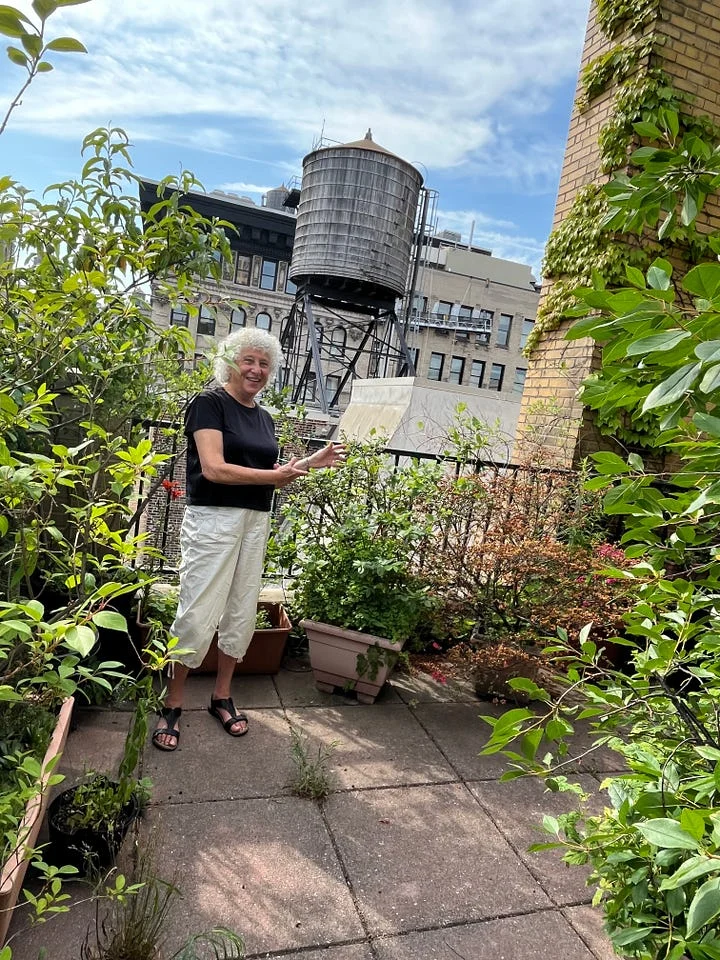
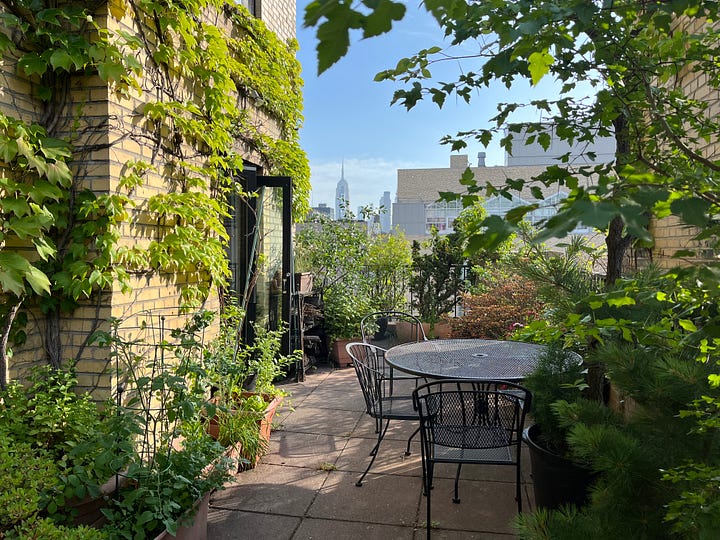
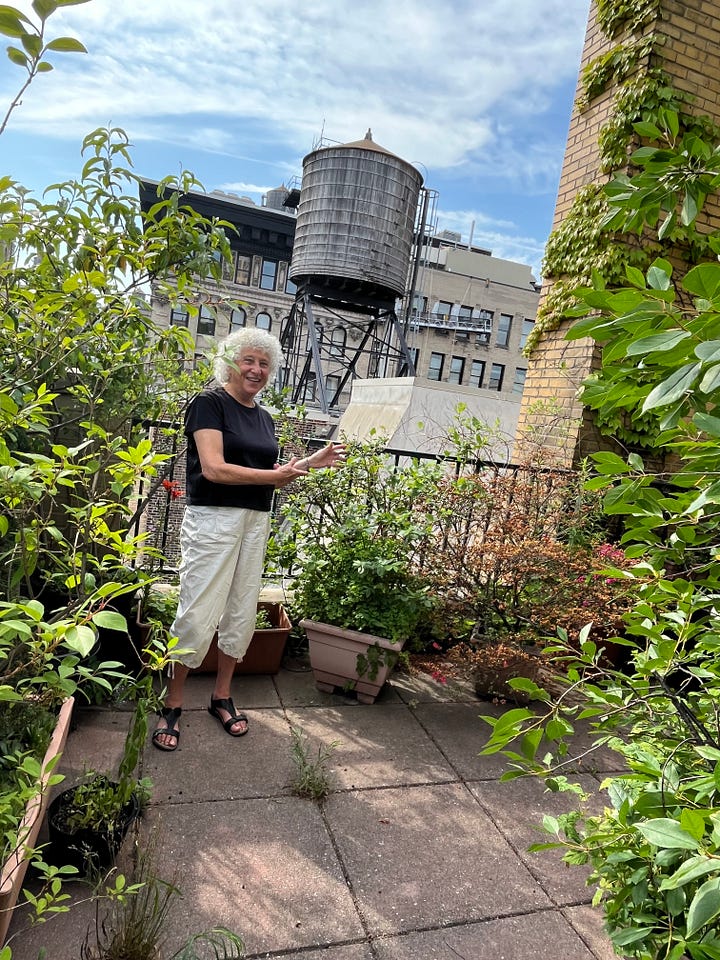
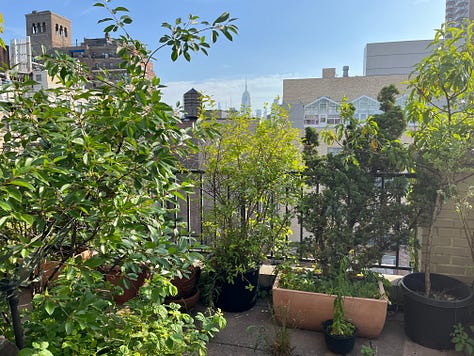
High above the bustling, concrete-laden streets of Greenwich Village, 12 stories removed from the frantic pace of Manhattan, lies an improbable sanctuary. Here, amidst the grey skyline and the hum of city traffic, Dr. Marion Nestle—the nation’s foremost authority on food policy, a legendary nutritionist, and an uncompromising critic of industrial food systems—tends to a lush, sprawling terrace garden. It is a space that defies the typical limitations of urban living, serving as both a personal retreat and a living testament to her philosophy: that food is at its best when it is simple, local, and within reach.
The Architect of the Urban Eden: Who is Marion Nestle?
To understand the significance of Dr. Nestle’s garden, one must first understand the woman behind the trowel. At 89, Dr. Nestle remains a titan of public health. With 17 books to her name—including the seminal What to Eat—and a career defined by her tireless advocacy against corporate lobbying and the regulatory loopholes that facilitate poor health outcomes, she is a force of nature.

Her influence spans decades, from her work with the FDA and the American Cancer Society to her long-standing, daily commitment to her educational platform, Food Politics. To many, she is the clear-eyed voice of reason who demystified the fast-food industrial complex in the 2004 documentary Super Size Me. Her philosophy is deceptively simple: focus on a wide variety of plant-based, whole, unprocessed foods. While the wellness industry has pivoted through countless fad diets and restrictive regimes, Dr. Nestle has remained a steadfast proponent of nutritional common sense.
A Chronology of a Rooftop Sanctuary
The story of this terrace is as much about persistence as it is about horticulture. Dr. Nestle’s garden began in a building once occupied by the late Congressman and Mayor Ed Koch. When she first moved into the 12th-floor apartment, the terrace was a pristine, plant-free space lined with beautiful Mexican tiles.
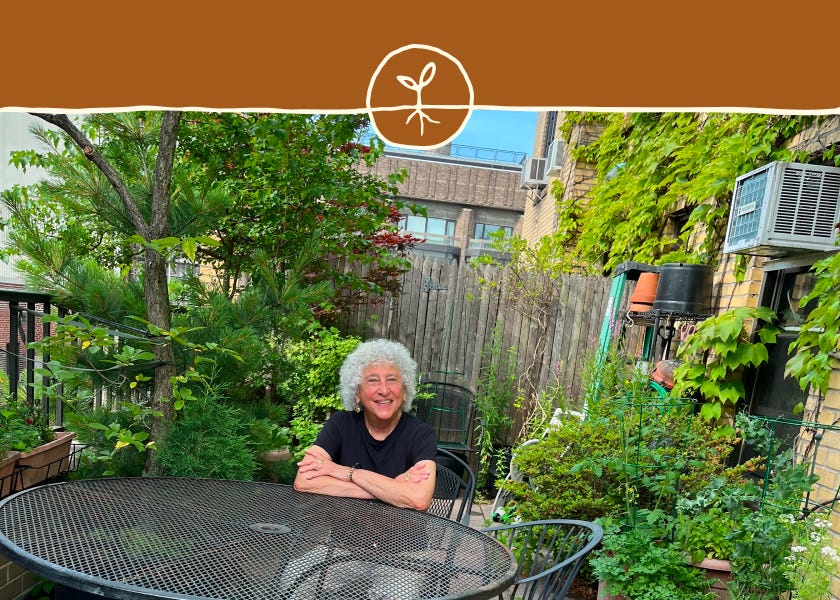
The building’s management was initially skeptical, strictly forbidding vegetation on the terrace. Undeterred, Dr. Nestle authored a detailed petition, promising to protect the architectural integrity of the tiles by keeping all flora in pots. Her successful negotiation allowed her to transform the space, which has since evolved into a productive, albeit "messy and overgrown," ecosystem.
The garden’s growth has not been linear. Every 5–10 years, New York City’s building codes require "pointing"—a process of inspecting and repairing brickwork. During these intervals, the terrace must be cleared entirely to accommodate construction equipment, effectively forcing a reset of the garden. Each time the scaffolding comes down, Dr. Nestle begins again, treating the process not as a chore, but as a renewal of her commitment to urban greening.

Supporting Data: The Productivity of a 12th-Floor Plot
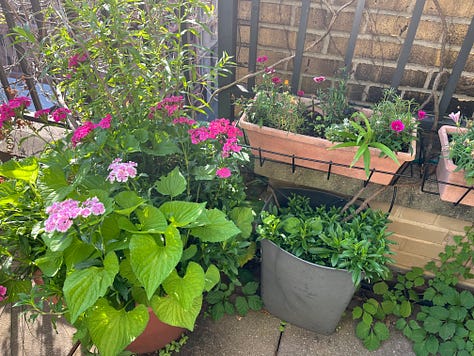
One might assume a high-rise garden is purely ornamental, but Dr. Nestle’s terrace is a working model of urban agriculture. Her plant list is extensive, featuring a mixture of edible crops and hardy perennials.
The Harvest Profile
- Fruit Trees: Dwarf sour cherry and peach trees.
- Small Fruits: Strawberries, raspberries, and blueberries.
- Vine Crops: Cayuga White grapes, ivy, and two varieties of honeysuckle.
- Vegetables and Herbs: Lettuce, tomatoes, basil, rosemary, cilantro, parsley, and oregano.
- Ornamentals: Daylilies, dianthus, azaleas, and various evergreens used to provide privacy from neighboring developments.
Dr. Nestle is pragmatic about the yield. She acknowledges that her cherry tree produces only enough for three small jars of jam, and the berry harvest is a fleeting treat for breakfast. Yet, the value is not in self-sufficiency—which is an impossible standard for a Manhattan balcony—but in the connection to the cycle of growth.
Official Perspectives: The Philosophy of "Effortless" Gardening
When asked about the maintenance required for such a lush display, Dr. Nestle eschews the "green thumb" moniker, favoring a philosophy of "effortless" care. She does not listen to music or podcasts while she works; rather, she approaches the garden with a focus on weeding, pinching, and harvesting.
Her secret to sustainability? A high-tech, computerized irrigation system. This, she notes, is her "one gardening luxury." By outsourcing the critical task of watering to a professional, automated system, she is able to travel and maintain her rigorous academic and advocacy schedule without the fear of her garden wilting in the sweltering New York summers.
Lessons in Urban Resilience
Dr. Nestle’s approach to pest control is similarly hands-off. "The plants are on their own," she says. While she acknowledges the frustration of dealing with lily bugs or hornworms on her tomato plants, she views these as part of the natural order. Because her garden is located 12 stories above the ground, she is blissfully free from the deer and rabbits that plague suburban gardeners, allowing her to focus on simple, manual interventions when necessary.
Implications for Public Health and Food Safety
Perhaps the most poignant aspect of Dr. Nestle’s garden is its existence as a critique of the modern, industrialized food chain. In recent years, as she has highlighted on Food Politics, the safety of the commercial food supply has been under strain. With government budget cuts affecting food safety inspections, the risks associated with store-bought, "triple-washed" salad mixes have become a genuine concern for many consumers.
For Dr. Nestle, the garden offers a clear alternative. "Wash your veggies!" she advises, noting that produce grown at home—even in a pot on a balcony—is significantly less likely to be contaminated with the pathogens that plague large-scale, industrial-chopped salad facilities.
Recommendations for Aspiring Urban Growers
Dr. Nestle encourages those intimidated by the lack of space to start small. Her advice is grounded in accessibility:
- Start with the basics: Lettuce and radishes are among the easiest crops for beginners.
- Know your limits: She notes that while cherry tomatoes thrive in her container garden, larger varieties are often unsuitable for terrace life.
- Experiment: Gardening is a trial-and-error process. Use soil, light, and water as your variables and learn through experience.
- Value quality over quantity: You don’t need a farm to reap the benefits of gardening. Even a few pots of herbs or greens can shift your relationship with your food.
Conclusion: A Living Legacy
Dr. Marion Nestle’s terrace is more than a collection of pots and trellises; it is a manifestation of a lifelong devotion to the idea that we can, and should, have a closer relationship with what we eat. At 89, she continues to advocate for systemic change while modeling individual agency.
Her garden, with its volunteer trees and seasonal harvests, serves as a quiet rebuke to the idea that city life must be disconnected from nature. Whether she is preparing for a panel at the Aspen Ideas Festival or writing her next book, Dr. Nestle finds the time to return to her 12th-floor oasis. In doing so, she proves that regardless of where one lives, the act of growing one’s own food remains one of the most radical, healthy, and rewarding things a person can do.