










In the escalating global battle against metabolic dysfunction-associated steatotic liver disease (MASLD), a significant clinical milestone has been reached. Researchers at the University of California San Diego School of Medicine have unveiled promising results from a Phase IIb clinical trial for ION224, an experimental medication that functions by inhibiting the liver’s internal fat production mechanism.
For the millions suffering from the aggressive sub-type known as metabolic dysfunction-associated steatohepatitis (MASH), this drug represents a fundamental shift in medical strategy: moving away from reactive weight-loss management toward proactive, targeted molecular intervention.
The Silent Epidemic: Understanding MASH
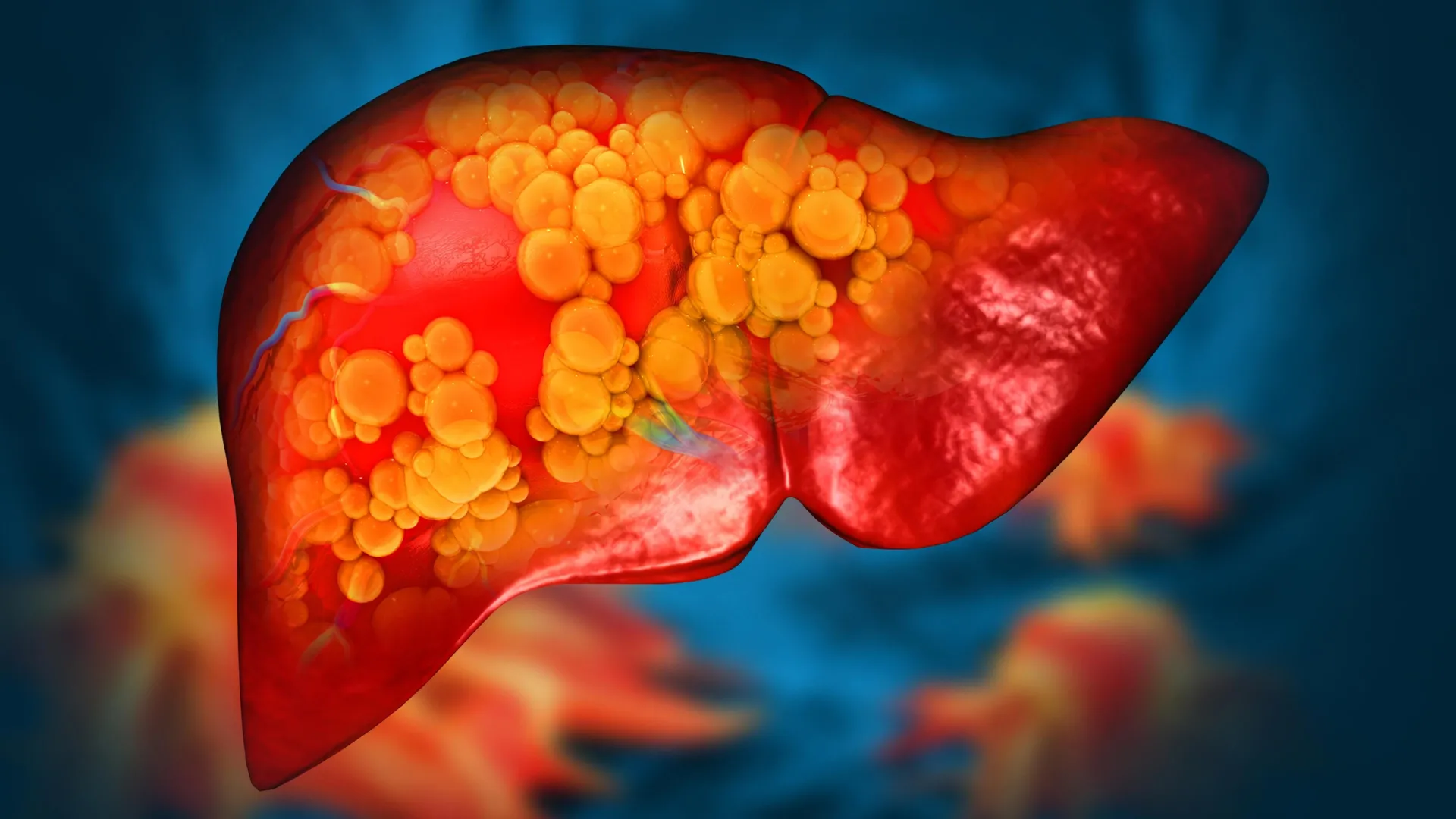
MASH, previously referred to as nonalcoholic steatohepatitis (NASH), is the most severe form of fatty liver disease. It is characterized by the accumulation of excess fat in the liver, which triggers chronic inflammation and the progressive development of fibrosis (scarring).
Unlike other liver conditions often associated with alcohol consumption, MASH is inextricably linked to the modern metabolic syndrome—specifically obesity, insulin resistance, and type 2 diabetes. Because the liver is a resilient organ, MASH can remain "silent" for years, with patients exhibiting no outward symptoms even as their liver tissue undergoes irreversible damage. For many, the first clinical manifestation is a diagnosis of cirrhosis, liver failure, or, in the most catastrophic cases, hepatocellular carcinoma (liver cancer).
According to recent epidemiological data, as many as one in four adults worldwide may suffer from some form of fatty liver disease. In the United States alone, the prevalence exceeds 100 million people. As obesity and metabolic disorders continue to climb, healthcare systems are bracing for a tidal wave of end-stage liver disease, making the development of effective, non-surgical interventions an urgent public health priority.
Mechanism of Action: How ION224 Attacks the Source
The novelty of ION224 lies in its precision. The drug acts as an inhibitor of the enzyme DGAT2 (diacylglycerol acyltransferase 2). DGAT2 is a critical player in the process of de novo lipogenesis—the biological pathway the body uses to synthesize new fat within liver cells.
By blocking DGAT2, ION224 effectively "shuts the tap" on the liver’s internal fat factory. Scientists have long hypothesized that the mere presence of intracellular fat is not just a symptom of metabolic disease, but a primary driver of the inflammatory cascades that lead to scarring. By interrupting this process at the enzymatic level, ION224 aims to halt the damage before it reaches a critical threshold.
"This study marks a pivotal advance in the fight against MASH," says Dr. Rohit Loomba, the study’s principal investigator and chief of the Division of Gastroenterology and Hepatology at UC San Diego School of Medicine. "By blocking DGAT2, we are interrupting the disease process at its root cause, stopping fat accumulation and inflammation right in the liver."
Chronology of the Clinical Trial
The path to these findings involved a rigorous 51-week Phase IIb study conducted across the United States. The trial enrolled 160 adults, all of whom had been clinically diagnosed with MASH and presented with mild to moderate liver fibrosis.
- Study Design: Participants were randomized to receive either a placebo or monthly subcutaneous injections of ION224 at varying dosage levels.
- The 51-Week Milestone: The study duration was specifically chosen to allow researchers to observe the progression—or regression—of fibrosis and inflammation over nearly a full year.
- Performance Metrics: The study looked for "meaningful improvement" in liver health, defined by reductions in inflammation and the reversal or stabilization of fibrotic tissue.
- Key Findings: Among the cohort receiving the highest dose, approximately 60% demonstrated significant improvements in liver health compared to the placebo group. Crucially, the drug was reported to be well-tolerated, with no serious adverse events directly attributed to the treatment, marking a successful safety profile for this stage of development.
Supporting Data and Comparative Advantages
One of the most compelling aspects of the ION224 trial is its performance in the context of weight management. Many current pharmacological approaches to MASH focus primarily on systemic weight loss. While weight loss is an effective therapeutic goal, it is notoriously difficult for patients to maintain.
ION224 showed a remarkable ability to improve liver health even in patients who did not experience significant weight reduction. This data suggests that the drug could eventually be used as a "foundation" therapy, potentially paired with popular GLP-1 receptor agonists (such as semaglutide) or other metabolic therapies that target insulin resistance.
Furthermore, the study successfully navigated a common pitfall in liver-targeted drug development. Previous attempts to inhibit fat synthesis pathways often resulted in secondary complications, such as a dangerous spike in triglycerides in the bloodstream. ION224 avoided this issue entirely, proving that it could target hepatic fat without disrupting lipid metabolism elsewhere in the body.
Official Responses and Scientific Implications
The study, published in The Lancet, has garnered significant attention from the global hepatology community. Peer reviewers and industry analysts are particularly interested in the use of antisense technology to specifically target DGAT2.
"This is the first drug of its kind to show real biological impact in MASH," Dr. Loomba noted. "If these findings are confirmed in Phase III trials, we may finally be able to offer patients a targeted therapy that halts and potentially reverses liver damage before it progresses to life-threatening stages."
The research team, which included experts from Ionis Pharmaceuticals and Arizona Liver Health, emphasized that the collaborative nature of this research was vital to its success. By combining the clinical expertise of academic centers like UC San Diego with the biotechnological innovation of Ionis, the team was able to navigate complex regulatory and safety benchmarks.
Future Outlook: Moving Toward Phase III
While the results are undeniably encouraging, the scientific community maintains a cautious optimism. The transition from Phase IIb to Phase III is the most challenging hurdle for any experimental drug.
Phase III trials will require a significantly larger, more diverse patient population to confirm the safety and efficacy profiles observed in the initial 160-patient cohort. These larger studies will also investigate the long-term impacts of the drug, ensuring that the improvements in liver histology translate to long-term clinical benefits, such as a reduction in the incidence of cirrhosis and liver-related mortality.
The Path Forward
The next phase of investigation will likely focus on:
- Combination Therapies: Testing whether ION224 works synergistically with existing weight-loss medications.
- Broadened Demographics: Evaluating how the drug performs across different age groups, ethnicities, and patients with varying degrees of pre-existing comorbidities.
- Regulatory Review: Providing the robust data required by the FDA and other global health authorities to move toward potential commercial approval.
For the millions of people living with MASH, the wait for an effective, targeted treatment has been long. As we look toward the next steps in the development of ION224, there is a renewed sense of purpose in the medical community. By targeting the enzyme that fuels the disease, rather than just the symptoms of the patient, science is moving closer to a future where MASH is a manageable condition rather than a life-altering diagnosis.
Funding for the study was provided by Ionis Pharmaceuticals (Trial ID: ION224-CS2), signaling a continued industry commitment to addressing this silent, growing health crisis. As researchers prepare for the next stage of trials, the eyes of the medical world remain fixed on whether this DGAT2 inhibitor will ultimately fulfill its promise as a cornerstone of modern hepatology.