





When the Human Genome Project reached its historic conclusion in 2003, the scientific community stood on the precipice of a medical revolution. By successfully sequencing the entire genetic blueprint of a human being, researchers believed they had finally unlocked the master key to human health. The prevailing logic was simple: if we could map our genes, we could predict, prevent, and cure the diseases that had plagued humanity for millennia.
However, two decades later, the reality has proven far more nuanced. Genetics, it turns out, accounts for only about 10% of our disease risk. The remaining 90% is dictated by our environment—and at the epicenter of that environmental influence lies our diet. Despite this, obesity rates, metabolic disorders, and chronic, diet-related illnesses continue to climb globally. We are consuming more dietary advice than ever before, yet we seem to be losing the war against lifestyle-related disease. This discrepancy suggests that our fundamental understanding of food is not just incomplete—it is fundamentally flawed.
A Chronology of Nutrition Science: From Calories to Chemicals
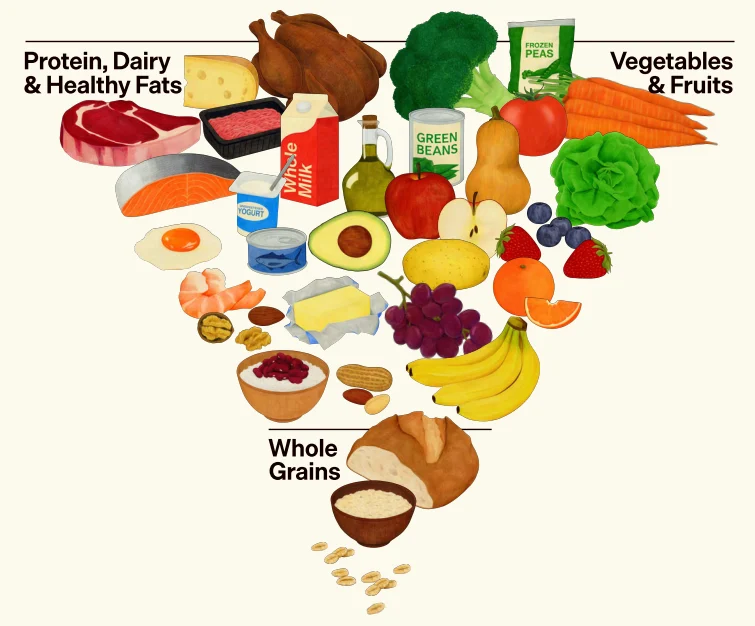
To understand why we are missing the mark, we must look at how we have historically defined "food." For most of the 20th century, nutrition was framed through a reductionist lens: food as fuel, measured in calories, and nutrients as structural building blocks. We prioritized the "Big Four"—proteins, carbohydrates, fats, and vitamins. In total, only about 150 chemical compounds have dominated the nutritional discourse for decades.
The Shift in Perspective
- The Early Era (1900s–1950s): Focus on deficiency diseases. Scientists identified vitamins and minerals to prevent scurvy, rickets, and pellagra.
- The Caloric Era (1960s–1990s): Focus on energy balance. Public health policy centered on calorie counting and macronutrient ratios (low-fat, high-carb, etc.).
- The Genomics Era (2000–2015): The realization that genes interact with the environment, leading to the birth of nutrigenomics.
- The Foodomics Era (2015–Present): The recognition of the "foodome"—the realization that our diet consists of at least 26,000 compounds, the vast majority of which remain entirely unmapped.
The Invisible Universe: What is "Nutritional Dark Matter"?
In astronomy, dark matter makes up roughly 27% of the universe. It is invisible, emitting no light and reflecting no energy, yet we know it exists because of the gravitational pull it exerts on visible galaxies. Without accounting for dark matter, our models of the cosmos fail to align with reality.
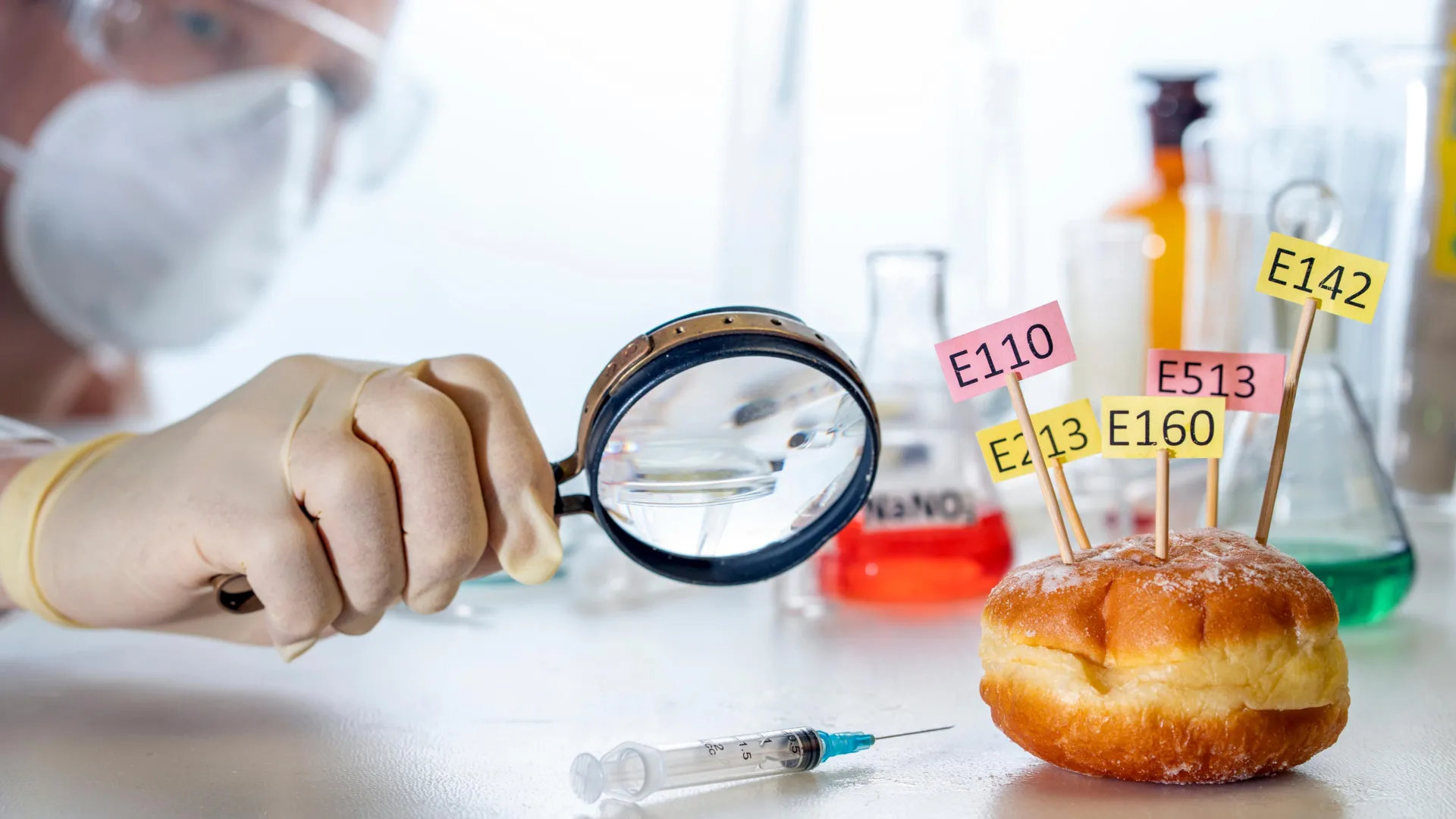
Nutrition science is now facing a parallel crisis. We consume thousands of compounds every day that are invisible to our standard research metrics. Scientists have coined the term "nutritional dark matter" to describe these uncharted molecules. While we ingest them with every meal, we have little to no data on their physiological impact. Are they essential for longevity? Do they contribute to chronic inflammation? Are they the hidden triggers for autoimmune responses?
Current research into disease often looks at broad food categories—like red meat, fermented foods, or cruciferous vegetables—but struggles to identify exactly which specific molecule among the thousands present is responsible for the health outcome. This is the "dark matter" problem: we are seeing the "gravitational effects" of food on our health, but we cannot see the molecules themselves.
Supporting Data: The Global Health Crisis
The statistics on diet-related morbidity are staggering. Globally, poor diet is linked to approximately one in five deaths among adults aged 25 and older. In Europe, dietary choices are responsible for nearly half of all cardiovascular-related deaths.
The failure of conventional nutritional advice—which has focused largely on restricting sugar, salt, and saturated fats—has left a vacuum in public health. While these recommendations are not necessarily wrong, they are insufficient. They treat food as a collection of simple variables rather than a complex, synergistic chemical landscape.
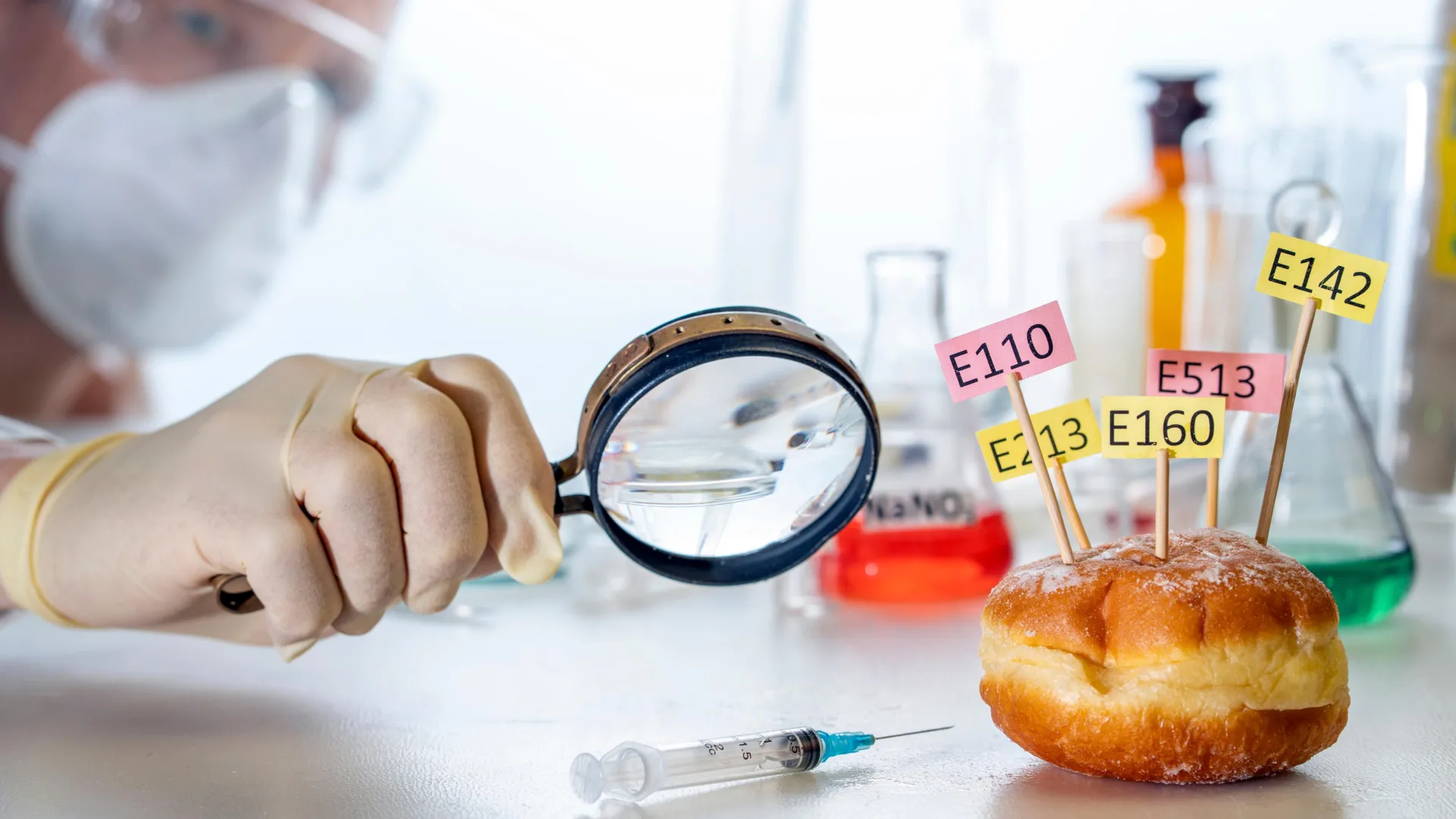
When researchers examine the Mediterranean diet—long hailed as the gold standard for cardiovascular health—they are beginning to realize its benefits are not just about the "known" nutrients. It is about the interplay of thousands of compounds. For example, the molecule TMAO (trimethylamine N-oxide) is produced when gut bacteria metabolize compounds found in red meat and eggs, and it is strongly linked to heart disease. Conversely, substances found in garlic have been shown to actively inhibit the production of TMAO. This is not just "nutrition"; it is chemical warfare occurring within our gut, mediated by our dietary choices.
The Rise of Foodomics and Biological Interaction
The field of "foodomics" has emerged to map this complex terrain. It integrates several "omics" disciplines:
- Genomics: How our DNA predisposes us to certain dietary responses.
- Proteomics: How dietary compounds interact with the proteins that run our cellular machinery.
- Metabolomics: How the body transforms food into the chemicals that fuel our metabolism.
- Nutrigenomics: The study of how specific dietary molecules switch our genes on or off.
The Role of the Microbiome
Perhaps the most significant discovery in recent years is the role of the gut microbiome. When we eat, we are not just feeding ourselves; we are feeding trillions of microbes. These microbes act as a "second liver," transforming food compounds into bioactive molecules that we could not produce on our own.
A prime example is ellagic acid, found in various nuts and fruits. By itself, it is merely a phytochemical. However, when processed by gut bacteria, it is converted into urolithins. These metabolites are crucial for mitophagy—the process by which the body clears out damaged mitochondria. By keeping our "energy factories" healthy, these bacterial byproducts help stave off age-related decline.
Epigenetics: The Legacy of Our Plate
The impact of diet extends beyond our own lifespan; it can leave a molecular signature on our genes through epigenetics. This is the study of changes in gene activity that do not alter the DNA sequence itself but determine how those genes are expressed.
The most profound evidence comes from the "Dutch Hunger Winter" study. Children born to mothers who experienced extreme famine during the final months of World War II showed significantly higher rates of type 2 diabetes, heart disease, and schizophrenia in adulthood. Their gene activity had been permanently altered by the nutritional environment they occupied in the womb. This serves as a sobering reminder: what we eat today is not just influencing our health; it is sending signals to our cells that may resonate for generations.
Implications for the Future: Mapping the Foodome
The Foodome Project represents the next frontier in medicine. By cataloging more than 130,000 molecules and mapping their relationships to human proteins and gut microbes, scientists are building an "atlas" of human nutrition.
Potential Applications:
- Precision Nutrition: Moving away from "one-size-fits-all" dietary guidelines to personalized plans based on an individual’s microbiome and genetic profile.
- Targeted Pharmacology: Identifying food compounds that can be synthesized or concentrated to treat disease, potentially offering a more natural alternative to synthetic drugs.
- Disease Prevention: Understanding why certain diets promote disease in some people but not others, allowing for the early identification of metabolic sensitivities.
Conclusion
We are standing at the threshold of a new era. For years, we have viewed our plates through a narrow, calorie-focused lens, failing to see the vast, hidden chemical universe contained within every bite. Just as the mapping of dark matter transformed our understanding of the cosmos, the ongoing mapping of nutritional dark matter promises to transform our approach to medicine.
The food on our plate is not merely fuel; it is a complex, active information system. As we begin to chart this landscape, we move closer to a future where diet is not just a secondary consideration in health, but the primary tool for healing. The journey to understand the "dark matter" of our diet is just beginning, but it is clear that the answers to our most persistent health crises have been hidden in plain sight all along.