Main Facts: Drag as a Catalyst for Community and Wellness
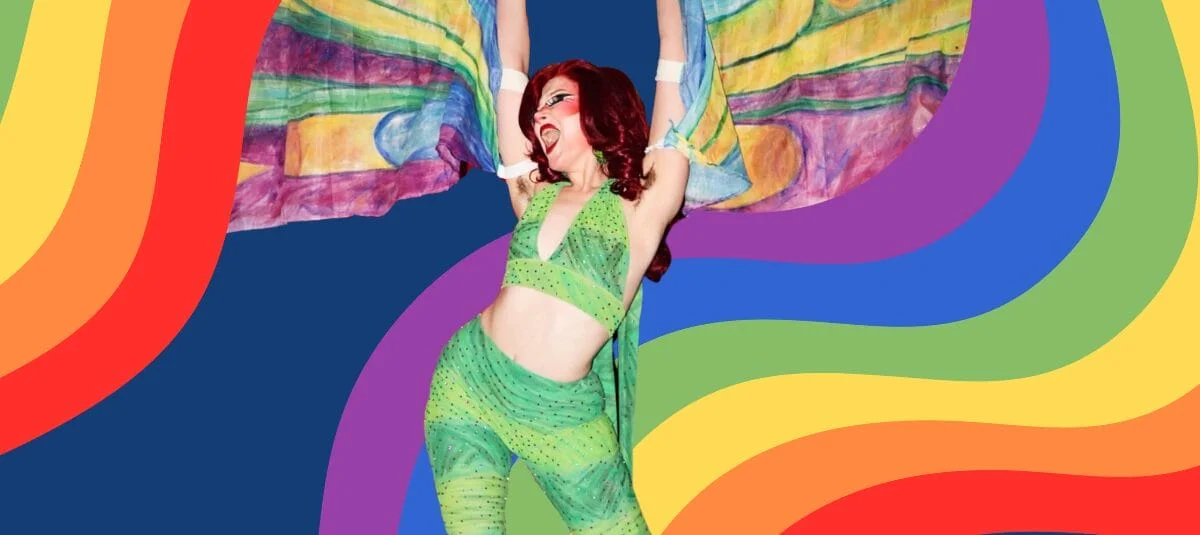
In the contemporary cultural landscape, drag has transcended its origins as a niche performance art to become a cornerstone of LGBTQ+ social infrastructure. While the mainstreaming of drag—fueled by television phenomena and global tours—often focuses on the aesthetic "glamour" of the craft, a deeper investigation reveals a complex socioeconomic and psychological support system. For many performers and patrons, the drag scene is not merely a form of entertainment; it is a vital site for "chosen family" formation, a concept that serves as a protective buffer against the systemic marginalization and mental health challenges frequently faced by queer individuals.
Recent ethnographic observations and personal testimonials highlight a recurring theme: the "rush of the spotlight" is secondary to the "outpouring of support" found offstage. The drag community operates through a unique hierarchical structure of mentorship—often referred to as "drag houses" or "families"—where experienced performers (drag parents) provide emotional, professional, and sometimes financial guidance to newcomers. This structure addresses a critical gap in the lives of LGBTQ+ individuals who may lack support from their biological families, transforming the local gay bar or community center into a sanctuary of collective identity and safety.
Chronology: From the First Spotlight to the Formation of a House
The Initial Contact and the "Homecoming"
The journey into the drag world typically begins long before the first application of spirit gum or the first lip-sync. For many, the chronology starts with the simple act of entering a queer-coded space. This first encounter often serves as a "homecoming," where individuals who have spent years feeling like the "odd one out" in heteronormative environments suddenly find themselves in a majority-queer setting. This initial exposure provides the psychological groundwork for self-actualization.
The Debut: Stepping Through the Curtain
Approximately eighteen months ago, a new generation of performers began emerging from the isolation of the pandemic era, seeking tangible connection. The transition from spectator to performer is often described as a pivotal moment where time seems to "slow down." The first performance is more than a creative outlet; it is a rite of passage. It marks the shift from being a recipient of community culture to an active contributor to it.
The Integration: The Rise of the Drag Family
Following the debut, the chronology shifts from individual achievement to communal integration. Within months of a first performance, many queens, kings, and gender-nonconforming artists are "adopted" into lineages. These lineages—rooted in the Ballroom scene of the 1970s and 80s—create a multi-generational network. This evolution transforms a hobby into a lifestyle, where the "patio at the club" begins to resemble a family reunion. The relationship matures from simple advice on "how to style a wig" to profound emotional support, creating a network of drag aunts, godmothers, and in-laws.
Supporting Data: The Vital Link Between Chosen Family and Mental Health
The necessity of these spaces is underscored by sobering statistics regarding LGBTQ+ mental health. According to data from The Trevor Project and the National Alliance on Mental Illness (NAMI), LGBTQ+ adults are more than twice as likely as heterosexual adults to experience a mental health condition. LGBTQ+ youth, specifically, face significantly higher rates of suicidality, often tied to experiences of rejection and isolation.
The Protective Power of Belonging
Research consistently shows that "social connectedness" is one of the most significant protective factors against depression and anxiety. In the context of the drag community, this connectedness is formalized through the "chosen family" model.
- Rejection Mitigation: For the estimated 40% of homeless youth who identify as LGBTQ+, chosen families in the drag and ballroom scenes provide a literal and figurative lifeline.
- Intergenerational Knowledge: The presence of "older performers" provides younger queer people with "possibility models"—living proof that they can age, thrive, and succeed within their identity.
- Safe Expression: The act of "transforming into another version of oneself" serves as a therapeutic tool for gender exploration and self-esteem building.
Economic and Social Capital
The drag scene also facilitates the exchange of "social capital." Mentorship involves the transfer of expensive skills (makeup artistry, garment construction, performance theory) which can lead to professional opportunities. This micro-economy within the queer community fosters a sense of agency and purpose, which are key components of psychological well-being.
Official Responses: Advocacy and the Institutionalization of Queer Support
Mental health organizations have begun to recognize the grassroots efficacy of these community spaces. Active Minds, a leading nonprofit dedicated to promoting mental health awareness among young adults, has increasingly emphasized the power of "storytelling" and "mobilization" within marginalized communities.
The Perspective of Mental Health Professionals
Experts in LGBTQ-affirming therapy argue that "traditional" clinical settings can sometimes feel alienating to queer individuals. Consequently, spaces like drag shows and queer-owned coffee shops serve as "front-line" mental health interventions. "When everyone around you is the ‘weird gay one,’ you don’t feel like the odd one out anymore," notes one mental health advocate. This sentiment is echoed by clinicians who suggest that the "validation of identity" found in these subcultures can be as impactful as traditional counseling.
The Political and Legislative Context
In response to the recent wave of anti-drag legislation and "drag story hour" protests in various jurisdictions, civil rights organizations like the ACLU and the Human Rights Campaign (HRC) have issued statements affirming that drag is a protected form of free speech and a vital cultural expression. These organizations argue that attacks on drag are, by extension, attacks on the safe spaces that sustain the mental health of the queer community. The official response from the community has been one of increased "mobilization," using the stage as a platform for political activism and community resilience.
Implications: The Future of Queer Spaces and Year-Round Community
The enduring impact of the drag community suggests that the need for "safe, cared for, and uplifted" spaces is not seasonal. While Pride Month in June provides a visible peak in activity, the implications for long-term mental health require a year-round commitment to these ecosystems.
Beyond the Bar: Diversifying Safe Spaces
The success of the drag model is paving the way for a broader array of queer-centric environments. There is a growing movement toward "sober queer spaces," including:
- Queer Art Collectives: Where the focus is on collaborative creation rather than nightlife.
- Sober Coffee Shops: Providing the "chosen family" atmosphere without the presence of alcohol.
- Identity-Specific Groups: Spaces dedicated to trans-masculine individuals, queer people of color (QPOC), or neurodivergent LGBTQ+ folks.
The Call to Action for Mental Health Mobilization
The narrative of the performer who finds a "drag mom" and a "drag godmother" serves as a blueprint for others. The implication is clear: isolation is a choice that can be countered by seeking out local "hubs" of community. For the individual, the act of "picking up a wig" or attending a local show can be a life-changing step toward mental stability.
For the broader society, the implication is a need for the protection and funding of these spaces. If the "patio at the club" functions as a family reunion and a mental health clinic combined, its preservation is a matter of public health. As the drag community continues to grow, its role as a "chosen family" remains its most profound contribution to the human experience—proving that while the makeup and costumes are a beautiful façade, the foundation of the house is built on unconditional love and collective survival.
Get Involved:
The evolution of mental health support is being written by those who dare to share their journeys. Whether through drag, art, or community organizing, your story can serve as a guide for someone still searching for their "chosen family." Organizations like Active Minds encourage individuals to contribute to the global dialogue on mental health mobilization. By sharing these narratives, the community ensures that no one has to step through the curtain alone.