









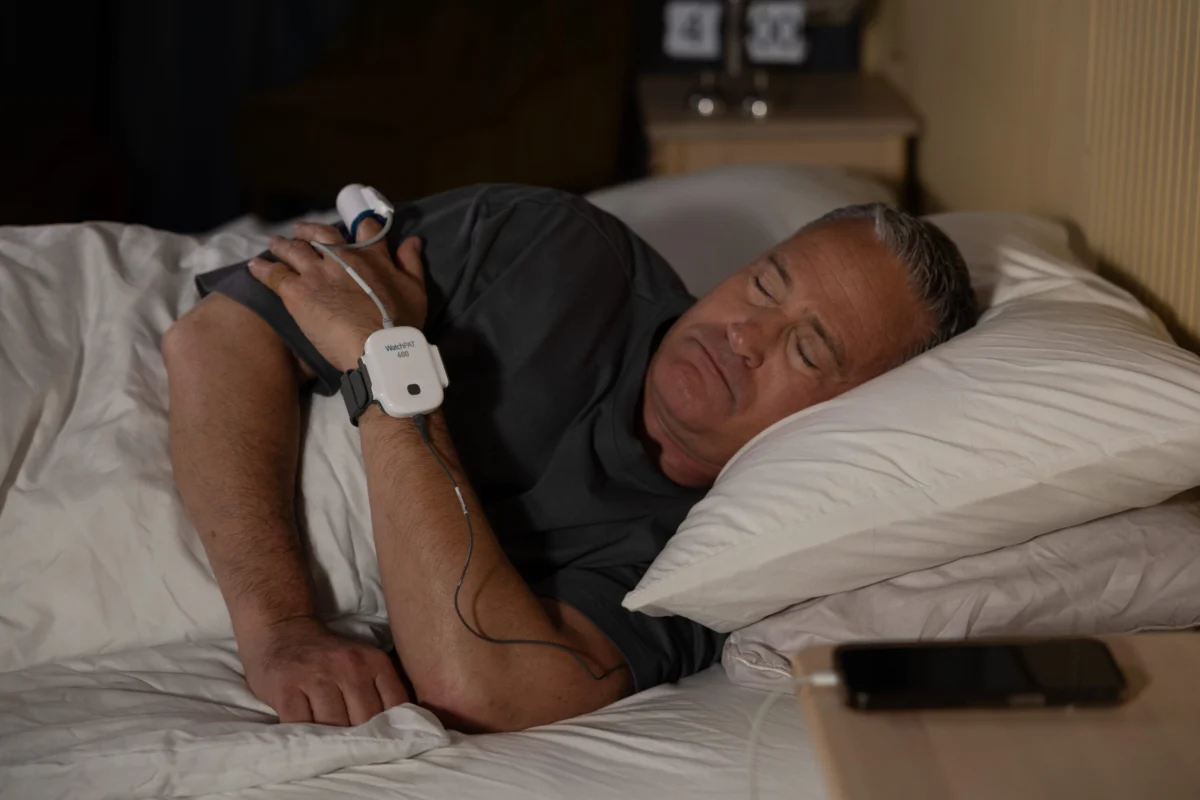
At the SLEEP 2026 conference, a landmark event for the sleep medicine community, ZOLL Itamar officially pulled back the curtain on its latest innovation in sleep diagnostics: the WatchPAT 400. This FDA-cleared, reusable home sleep test (HST) represents a significant evolution in how clinicians and patients approach the detection and management of sleep-disordered breathing, including obstructive sleep apnea (OSA).
By synthesizing the robust, reusable design of the predecessor WatchPAT 300 with the user-centric, smartphone-integrated architecture of the disposable WatchPAT ONE, ZOLL Itamar is positioning the WatchPAT 400 as the new standard for modern, efficient, and scalable sleep diagnostics.
Main Facts: A New Paradigm for Home Sleep Testing
The WatchPAT 400 is not merely an incremental update; it is a platform designed for longevity and adaptability. Having received 510(k) clearance from the US Food and Drug Administration in September, the device is now commercially available across both the United States and the European Union.
At its core, the WatchPAT 400 leverages the company’s proprietary Peripheral Arterial Tone (PAT) signal technology, which has long been the gold standard for non-invasive sleep assessment. However, the 400 series differentiates itself through its "smart" connectivity. By tethering the device to a dedicated smartphone application, the system facilitates an immediate data-transfer pipeline. Once a patient completes their sleep study, the data is processed and made available for clinical review almost instantaneously, eliminating the traditional logistical bottlenecks associated with returning devices to a lab for data extraction.
This streamlined workflow is intended to enhance two critical metrics in healthcare: operational efficiency for providers and patient compliance for users. By making the process feel less like a clinical burden and more like a consumer health experience, ZOLL Itamar aims to increase the diagnostic rate for the millions of people worldwide suffering from undiagnosed sleep apnea.
Chronology: The Evolution of the WatchPAT Lineage
To understand the significance of the WatchPAT 400, one must look back at the technological trajectory established by ZOLL Itamar over the last decade.
The Foundation: WatchPAT 300
The WatchPAT 300 established the company’s reputation for reliable, reusable clinical-grade diagnostics. It was designed to withstand the rigors of institutional use, allowing sleep centers to cycle the device between patients. While highly effective, it required a degree of manual data management that some clinics found cumbersome in a high-volume environment.
The Innovation: WatchPAT ONE
Responding to the need for simplicity, ZOLL Itamar introduced the WatchPAT ONE—the world’s first disposable home sleep test. This device fundamentally changed the economics of sleep testing by removing the need for shipping, cleaning, and sanitizing equipment. It brought testing into the patient’s home with a "plug-and-play" simplicity that significantly increased accessibility.
The Synthesis: WatchPAT 400
The WatchPAT 400 acts as a convergence of these two lineages. It retains the reusable sustainability and robust construction of the 300 series while adopting the digital, app-driven ecosystem of the ONE. The development process, spanning several years, focused heavily on "future-proofing." The platform architecture is designed specifically to support upcoming accessories and software integrations, ensuring that clinics investing in the 400 today will remain at the cutting edge of diagnostics for years to come.
Supporting Data: Why Connectivity Matters in Sleep Medicine
The shift toward app-connected diagnostics is backed by a growing body of data suggesting that patient engagement is the primary driver of successful sleep therapy.
According to sleep medicine research, the "diagnostic gap"—the time between a patient first suspecting a sleep issue and receiving a diagnosis—is often prolonged by the complexity of traditional polysomnography (PSG) or older, cumbersome home testing equipment. The WatchPAT 400 addresses this through several key features:
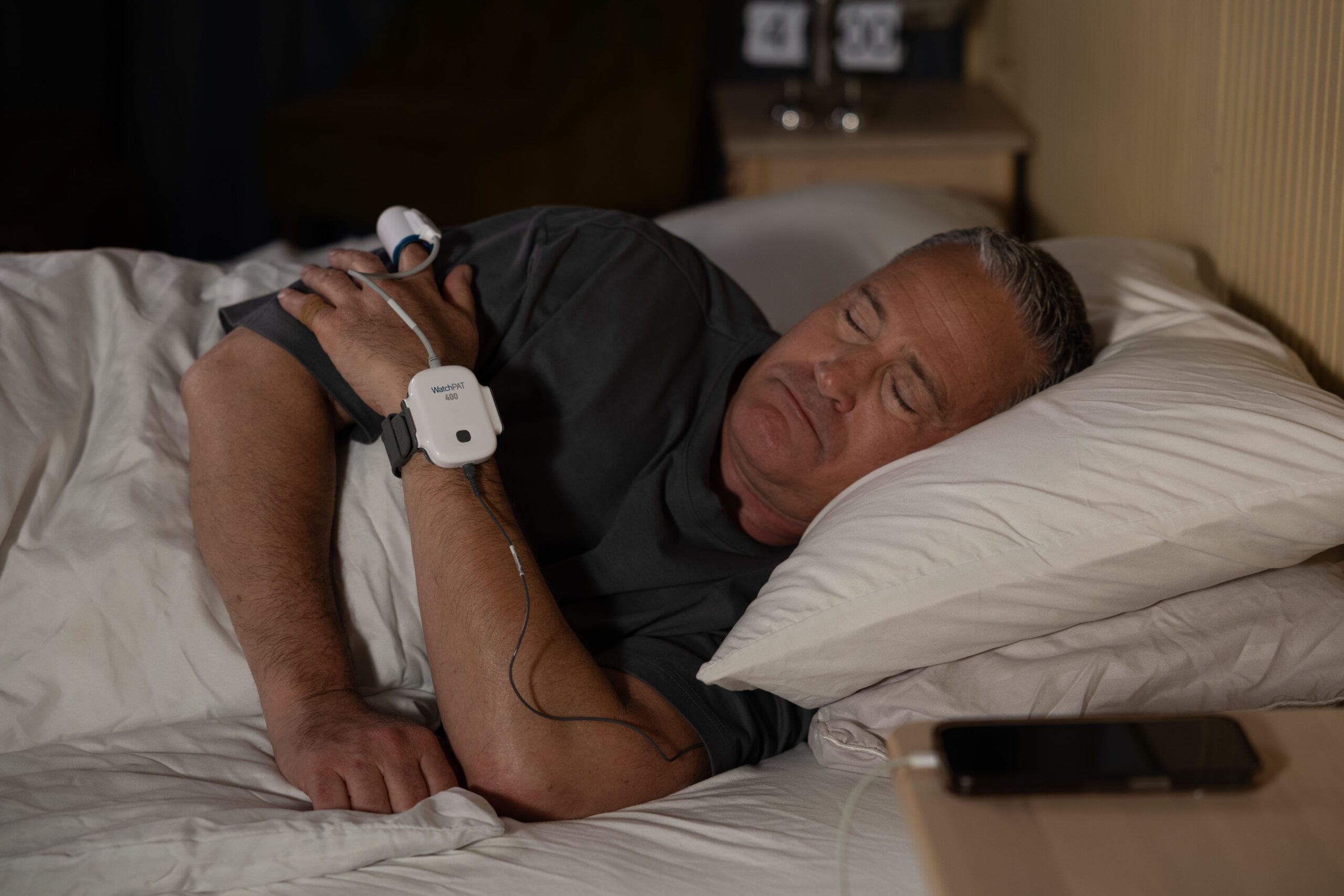
- Real-Time Data Transmission: By utilizing Bluetooth Low Energy (BLE) to sync with a smartphone, the device ensures that data is captured and transmitted securely to the cloud, reducing the risk of data loss or corrupted files common with manual memory card transfers.
- Reduced "Study Failure" Rates: Traditional home tests often suffer from high failure rates due to sensor detachment or improper setup. The WatchPAT 400’s app provides real-time guidance to the user, ensuring the sensors are applied correctly before the patient falls asleep.
- Interoperability: The platform is designed to integrate with existing Electronic Health Record (EHR) systems, allowing physicians to view results directly within their current workflow rather than switching between disparate software portals.
The FDA’s decision to grant clearance was based on clinical trials demonstrating that the device maintains the high sensitivity and specificity required to accurately diagnose moderate to severe OSA, matching the performance benchmarks of the 300 series while offering a superior user interface.
Official Responses and Clinical Perspectives
Industry experts and representatives from ZOLL Itamar have highlighted the WatchPAT 400 as a milestone in the "hospital-at-home" movement.
"The introduction of the WatchPAT 400 represents a pivotal moment for sleep clinicians," noted a spokesperson for the company at the SLEEP 2026 conference. "We recognized that the future of diagnostics isn’t just about the accuracy of the sensor—though that remains paramount—but about the ease of the patient journey. By creating a reusable platform that feels as intuitive as a consumer wearable but provides the clinical rigor of a lab-based study, we are empowering providers to treat more patients, more effectively."
Clinical feedback from early-access trials has been largely positive. Sleep physicians have praised the device for its "frictionless" setup. One prominent sleep specialist noted, "The biggest hurdle in sleep medicine is getting the patient to actually perform the test. With the 400, the patient is guided through the process on their phone, which reduces anxiety and leads to much cleaner data sets. For us, it means less time troubleshooting and more time focusing on treatment plans."
Implications for the Future of Sleep Diagnostics
The release of the WatchPAT 400 signals a broader trend in medical technology: the migration of high-fidelity diagnostics from the clinical setting to the domestic environment.
1. The Death of the "In-Lab" Barrier
While in-lab polysomnography will always have a place for complex sleep disorders, the WatchPAT 400 reinforces the reality that for the vast majority of OSA patients, home testing is not just a secondary option—it is the optimal one. The ability to conduct high-quality diagnostics at home, coupled with the immediate availability of data, allows for faster titration of CPAP or oral appliance therapy.
2. Scalability for Large Health Systems
For large hospital networks, the WatchPAT 400 offers a compelling ROI. By combining the cost-effectiveness of a reusable device with the low-touch operational model of an app-integrated system, networks can scale their sleep diagnostic capacity without needing to expand their physical lab space or hire additional night-shift technicians.
3. A Platform for Future Innovation
Perhaps the most intriguing aspect of the WatchPAT 400 is the promise of "future accessories." ZOLL Itamar has indicated that the 400 is a modular platform. This suggests that the device could potentially be updated or expanded to monitor additional physiological signals—such as blood oxygen trends, heart rate variability (HRV), or even act as a long-term monitor for other chronic conditions—via software updates or hardware add-ons. This longevity protects the investment for clinics and ensures that the hardware does not become obsolete in a rapidly evolving technological landscape.
Conclusion
As we look toward the remainder of 2026 and beyond, the WatchPAT 400 stands as a testament to the power of human-centered design in medical technology. By removing the technical barriers that have historically plagued home sleep testing, ZOLL Itamar has provided a tool that bridges the gap between patient convenience and clinical necessity.
With its current commercial availability in the US and EU, the device is poised to accelerate the diagnosis of obstructive sleep apnea, a condition that remains significantly undertreated globally. For the patient, it means a more comfortable, reliable, and faster path to restful sleep. For the provider, it represents a smarter, more efficient way to manage their diagnostic workflow.
The WatchPAT 400 is not just a sleep test; it is an infrastructure for the future of respiratory and sleep health, proving that the most sophisticated technology is that which seamlessly integrates into the lives of those it aims to help. As the medical community continues to embrace the potential of digital health, the WatchPAT 400 will undoubtedly serve as a benchmark for how we measure, monitor, and treat the silent epidemic of sleep-disordered breathing.