








By Investigative Desk
Living with chronic pain is often described by patients as a process of "shrinking." As physical limitations increase, the perimeter of one’s life—the social outings, the career ambitions, the morning rituals—tends to contract. For millions of Americans, these invisible boundaries eventually feel like iron-clad rules, dictating the scope of their existence. However, a new initiative led by advocate Michele Rice for the U.S. Pain Foundation suggests that these lines may be more elastic than they appear. By stepping into a leadership role for a daily peer support group, Rice has sparked a conversation about the intersection of altruism, chronic illness, and the reclamation of purpose.
The Anatomy of Chronic Limitation
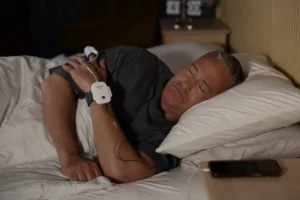
For those unfamiliar with the reality of chronic pain, the morning ritual is often the most significant hurdle. It is a time characterized by physiological "stiffness," a slow-dawning awareness of sensory discomfort, and the heavy cognitive load of planning a day around flare-ups.
Michele Rice, a longtime patient advocate, describes her own mornings as a period of profound resistance. "My body is stiff, my pain is loud, and my brain feels slow to wake up," she explains. For years, Rice adhered to strict routines, a survival strategy common among those living with conditions like fibromyalgia, chronic migraines, or complex regional pain syndrome. These routines serve as a protective shell; by staying within a predictable, low-energy lane, patients attempt to minimize pain triggers.
When Rice was approached to lead the U.S. Pain Foundation’s daily morning support group, her initial instinct was a firm rejection. The prospect of disrupting her carefully curated morning routine to facilitate a group appeared to be an invitation for exhaustion. Yet, the necessity of the service—a lifeline for individuals whose isolation is often exacerbated by their condition—weighed heavily on her.
A Chronology of Transformation: From Hesitation to Leadership
The transition from a guarded life to a public-facing support role was not instantaneous. It followed a distinct arc of personal evolution:
- The Catalyst: Upon learning that the U.S. Pain Foundation faced a leadership void in their morning support network, Rice faced a decision. She bypassed the typical analytical approach—the cost-benefit analysis of energy expenditure—and opted for a heart-centered decision. She realized that for many members, the morning group was the only point of social contact.
- The Period of Discomfort: The first few weeks were characterized by physical struggle. Adhering to a rigid, early-morning schedule required Rice to override her body’s natural demand for rest. There were days when the screen felt like a barrier, and the pressure to lead felt incongruous with her own internal pain levels.
- The Shift in Perspective: As the weeks progressed, the feedback loop changed. Rice noticed that the group was not merely an obligation; it was a source of vitality. The "giving" of support was transforming into a reciprocal exchange.
- Current State: Today, the group functions as a stable, daily touchstone for members, with Rice serving as the anchor. The role has evolved from a daunting task into a cornerstone of her daily wellness strategy.
Supporting Data: The Vital Role of Peer Support
The importance of peer-led support groups in chronic pain management is backed by significant medical literature. According to studies published in the Journal of Pain, social isolation is a primary predictor of depression and reduced quality of life in chronic pain patients.
- Psychosocial Buffering: Peer groups provide what psychologists call "psychosocial buffering." By sharing experiences with others who face similar, often invisible, symptoms, patients report lower levels of perceived stigma and anxiety.
- Validation vs. Medical Advice: Unlike clinical settings, where interaction is often limited to symptom management and medication, peer groups provide validation. Members report that being heard—without the requirement to "get better"—is a crucial component of long-term mental health.
- Engagement Metrics: The U.S. Pain Foundation has noted that the demand for virtual support has skyrocketed in the post-pandemic era. Virtual meetings remove the barrier of physical travel, which is often a prohibitive factor for those with mobility issues, making the "daily morning" model uniquely accessible.
Official Perspectives and Expert Insight
The U.S. Pain Foundation has long advocated for the "whole-person" approach to pain management, which includes mental and social health alongside physical therapy.
"Michele’s journey highlights a critical truth in our community," says a representative from the foundation. "Leadership in the context of chronic pain isn’t about being pain-free; it’s about being present. When we provide a space for connection, the facilitator benefits just as much as the participants. It shifts the narrative from being a ‘patient’ to being a ‘contributor.’"
Medical professionals often emphasize that the "purpose-driven life" is a significant factor in pain regulation. When an individual has a reason to wake up—a commitment to a group or a community—the brain’s focus shifts from the internal monitoring of pain signals to external, goal-oriented tasks. This does not eliminate the physical pain, but it significantly alters the patient’s relationship with it.
The Implications: Redefining Growth Under Duress
The broader implication of Rice’s story is a challenge to the traditional definition of "growth." In Western society, growth is often synonymous with expansion, career advancement, or athletic achievement. For those with chronic illness, growth is often seen as an impossibility or a goal that must be deferred until after a "cure."
Rice’s experience suggests a paradigm shift:
- Flexibility of Boundaries: The "lines" that patients draw around their lives are often based on fear of pain. By testing these lines, patients often find they possess more capacity than they dared to believe.
- The Reciprocity of Support: Caregiving, whether professional or peer-to-peer, is not a finite resource. By supporting others, the caregiver reinforces their own sense of utility and community belonging, which in turn fosters resilience.
- Micro-Resilience: Growth can be found in the mundane. Turning on a camera, logging into a chat, or offering a greeting to a group is, for someone in chronic pain, an act of defiance against the illness. It is a victory that is no less significant than a marathon.
Conclusion: Beyond the Screen
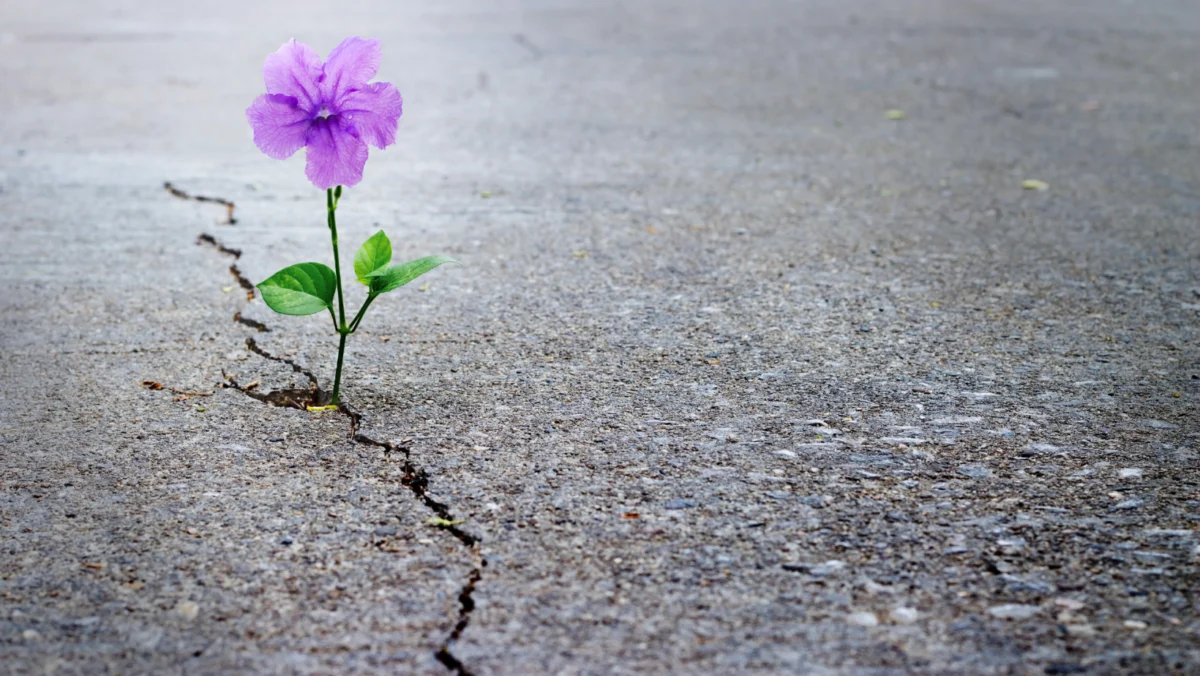
Michele Rice’s story is a testament to the fact that chronic pain may change the geometry of a life, but it does not necessarily shrink its potential. By choosing to step into a role that terrified her, she discovered that the "lines" she had drawn were not prisons, but boundaries she could expand.
As she noted in her reflection, growth does not always look like a grand gesture. Sometimes, it looks like showing up on a Tuesday morning, despite the pain, and simply saying, "Good morning." For those living with the heavy burden of chronic illness, that small, intentional act of showing up is perhaps the most profound form of healing.
Ultimately, the U.S. Pain Foundation’s daily morning group serves as a reminder that even when the body is compromised, the spirit can continue to connect. The boundaries of our lives are only as permanent as we decide they are. By reaching out to one another, we do more than just share our pain; we share the burden of being human, and in doing so, we make the world a little smaller, a little kinder, and significantly more bearable.