









BERLIN — In a sobering assessment that signals a profound shift in the continent’s climate reality, the World Health Organization’s (WHO) Europe office revealed on Thursday that more than 200,000 people have perished due to heat-related causes across Europe over the past four years. This staggering figure, which health officials describe as largely preventable, has ignited an urgent debate regarding urban infrastructure, labor protections, and the accelerating pace of global climate change.
As summer temperatures continue to climb, meteorologists and public health experts are warning that the upcoming season may bring even more extreme thermal stress. With El Niño conditions forming in a warming Pacific Ocean and projected to reach historic intensity, the convergence of natural climate cycles and human-induced global warming is creating a "perfect storm" for public health.
The New Normal: A Chronology of Escalating Heat
For decades, heatwaves were viewed as rare, localized meteorological anomalies. However, the data from the last four years suggests a permanent shift in Europe’s climate profile.
- 2023-2024: Consecutive summers saw record-breaking temperatures across Southern and Central Europe, with prolonged heat domes trapping hot air over the continent for weeks at a time.
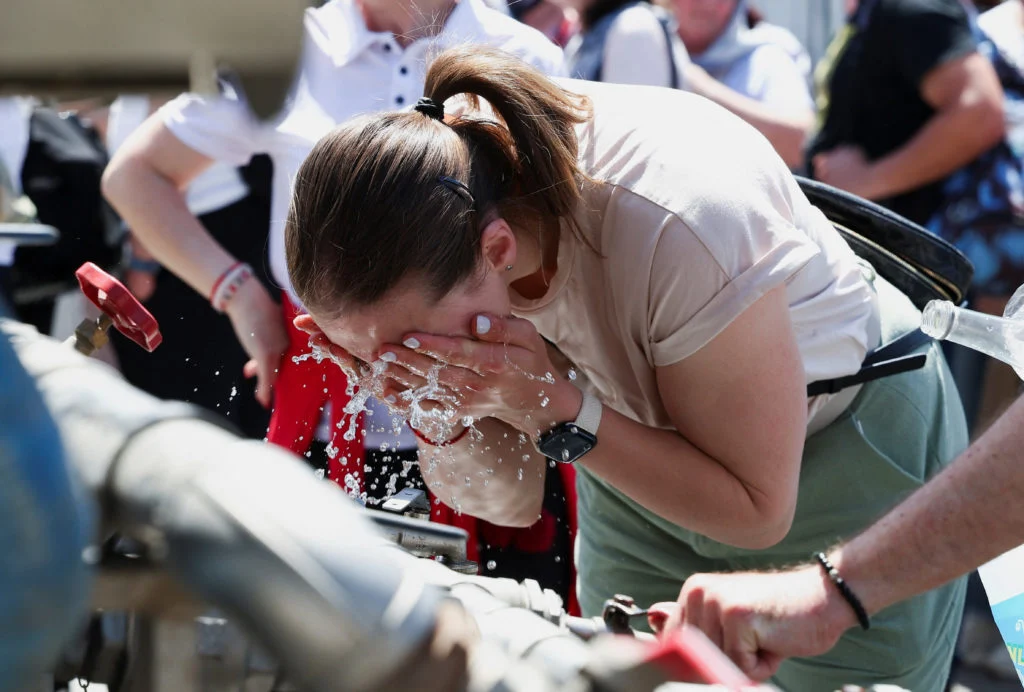
- May 2026: As early as late spring, cities such as Belgrade began recording temperatures that necessitated public cooling initiatives, signaling an earlier onset of extreme heat than in previous decades.
- June 2026: The WHO released its comprehensive report on the 200,000-death toll, confirming that heat-related mortality is no longer a sporadic issue but a chronic, recurring public health crisis.
- The El Niño Factor: Meteorologists confirmed that the current El Niño phase is expected to exacerbate already high global temperatures, potentially turbocharging extreme weather patterns through the remainder of the year and into 2027.
Data-Driven Mortality: Understanding the Risk
The WHO’s data highlights that extreme heat is more than just an inconvenience; it is a lethal catalyst for medical emergencies, including severe heat exhaustion, cardiovascular failure, and heat stroke. The statistics suggest that the most vulnerable populations—the elderly, individuals with chronic respiratory or kidney conditions, and outdoor laborers—are bearing the brunt of this crisis.
Disproportionate Impacts
The data underscores a "heat gap" within European society. Socioeconomic status plays a critical role in survival rates. Urban and rural poor populations, often residing in low-quality housing with poor insulation and limited access to air conditioning, are statistically at a much higher risk of mortality. Furthermore, those living in "urban heat islands"—metropolitan areas where asphalt and concrete trap heat—experience significantly higher nighttime temperatures, preventing the body from recovering from daytime thermal stress.
The Economic and Labor Toll
Manual laborers, particularly in construction and agriculture, are facing an unprecedented occupational hazard. Without mandatory heat-relief protocols, these workers are forced to toil during the hottest hours, often leading to acute medical crises. The WHO’s findings emphasize that current labor laws in many European nations are insufficient to protect workers in an era of consistent, extreme heat.
Official Responses and Strategic Recommendations
Dr. Hans Kluge, Director of the WHO’s Europe office, issued a stark warning in his statement: "Heatwaves are no longer freak weather anomalies. They are now a recurring crisis inflicting suffering, claiming lives and fracturing our health systems and infrastructure."
The "Zero Deaths" Ambition
Dr. Kluge has called upon national governments and municipal institutions to adopt radical, proactive heat-action plans. The objective is ambitious: zero heat-related deaths. To achieve this, the WHO suggests a multi-tiered approach:
- Infrastructure Overhaul: Governments are encouraged to invest in cooling centers and retrofit social housing to provide natural ventilation and shading.
- Labor Reform: Institutions must transition toward flexible shift scheduling, ensuring that manual labor is performed outside of peak midday temperatures.
- Public Awareness: Launching early-warning systems that utilize mobile alerts to inform citizens of impending heat spikes.
Implications for Global Climate and Public Health
The convergence of the WHO report with the news of a strengthening El Niño creates a grim outlook for the immediate future. El Niño, a natural phenomenon characterized by the warming of surface waters in the central and eastern Pacific, acts as a global heater. When superimposed on a background of global warming driven by fossil fuel emissions, the results are often unprecedented.
Cascading Effects
Beyond direct mortality, the implications of this warming are far-reaching. The strain on energy grids during heatwaves—as millions turn on air conditioning simultaneously—threatens to cause blackouts, which in turn disables the very cooling systems required for survival. Furthermore, the agricultural sector faces crop failures due to soil desiccation, potentially leading to food insecurity and further economic instability.
Practical Mitigation: Guidelines for Survival
As experts urge governments to act, they also provide clear, actionable guidance for individuals to protect themselves and their communities during this summer’s anticipated heatwaves.
1. Navigating the Hottest Hours
The most effective strategy is avoidance. Staying indoors during the peak of the day (typically 11:00 AM to 4:00 PM) is critical. If outdoor activity is unavoidable, individuals should seek shaded environments and refrain from strenuous physical exertion.
2. Home Thermal Management
Adapting the domestic environment is key to surviving heat. During the day, windows should remain closed and shuttered to block solar radiation. Once the sun sets and the outdoor air cools, cross-ventilation should be used to flush heat from the home. For those with air conditioning, the WHO recommends a set point of 27 degrees Celsius (81 degrees Fahrenheit), supplemented by an electric fan to circulate air.
3. Hydration and Personal Cooling
Hydration is not merely about thirst; it is a physiological necessity. The WHO recommends one cup of water per hour during heatwaves. Beyond internal hydration, external cooling—such as cool showers, baths, or applying damp cloths to the skin—is highly effective at lowering core body temperatures. Lightweight, loose-fitting fabrics and proper sun protection, including wide-brimmed hats and high-SPF sunscreen, are essential.
4. Protecting the Vulnerable
The duty of care extends to the community. Citizens are urged to check on neighbors, particularly those over the age of 65 or those living alone. A critical reminder: never leave children or animals in parked vehicles. Even in moderate ambient temperatures, the greenhouse effect inside a car can raise interior temperatures to fatal levels within minutes. For parents, using a wet, breathable cloth over a stroller—while ensuring airflow—can provide necessary protection for infants.
Conclusion: A Call for Systemic Change
The data provided by the WHO is not just a collection of numbers; it is a reflection of a systemic failure to adapt to the reality of a warming planet. While personal habits are essential for immediate survival, the report makes it clear that individual action is insufficient to combat a crisis of this magnitude.
The transition to a climate-resilient Europe requires a fundamental rethinking of urban planning, labor rights, and public health policy. As Dr. Kluge noted, the "impacts of climate change are a clear and present danger." Without immediate, large-scale intervention from policymakers, the number of preventable deaths will likely continue to climb, turning the summer season from a time of respite into a period of extreme risk for millions across the continent.
As we look toward the remainder of 2026, the question remains whether European institutions can muster the political will to implement the radical changes necessary to secure a "zero-death" summer, or if the region will continue to witness the tragic consequences of a changing climate.