




For the estimated 80% of individuals with hypermobile Ehlers-Danlos syndrome (hEDS) who also navigate the complexities of dysautonomia, the arrival of summer often brings a profound sense of dread. While the season is traditionally associated with outdoor recreation and increased social engagement, for this population, the scorching sun represents a significant physiological challenge. Beyond the simple discomfort of heat, the summer months can trigger severe symptom flares, turning a stroll through the park into a precarious medical event.
However, as the medical community and patient advocates continue to explore non-pharmacological interventions, one remarkably simple, low-tech solution has moved to the forefront of summer survival strategies: the sun umbrella, or UV-protective parasol. By providing a portable, immediate microclimate of shade, this tool is proving to be a game-changer for those whose bodies struggle to regulate temperature and blood pressure.
The Physiological Impact: Why Heat is a Major Adversary
To understand why a sun umbrella is more than just a fashion statement, one must first understand the autonomic nervous system’s role in thermal regulation. In individuals with dysautonomia—a blanket term for conditions like Postural Orthostatic Tachycardia Syndrome (POTS)—the autonomic nervous system fails to adequately adjust blood flow and heart rate in response to environmental changes.
When exposed to high temperatures, the body naturally initiates vasodilation, a process where blood vessels widen to release heat through the skin. For a healthy individual, this is a standard cooling mechanism. For someone with dysautonomia, however, this vasodilation causes blood to pool in the lower extremities, away from the brain. As the body struggles to maintain blood pressure against gravity, the result is a cascade of symptoms: dizziness, lightheadedness, rapid heart rate (tachycardia), profound fatigue, nausea, and the debilitating mental fog often referred to as "brain fog."
When the ambient temperature rises, the body is forced to work exponentially harder to maintain homeostasis. By shielding the skin from direct solar radiation, the sun umbrella prevents the initial spike in core body temperature, thereby delaying or preventing the onset of these autonomic triggers.
A Chronology of Discovery: From Japanese Streets to Global Awareness
The widespread use of sun umbrellas is not a new phenomenon; it has been a cultural staple in parts of East Asia for generations. For many patients, the realization that these tools could mitigate chronic illness symptoms often comes through travel or cross-cultural observation.
The Early Years: An Unintended Discovery
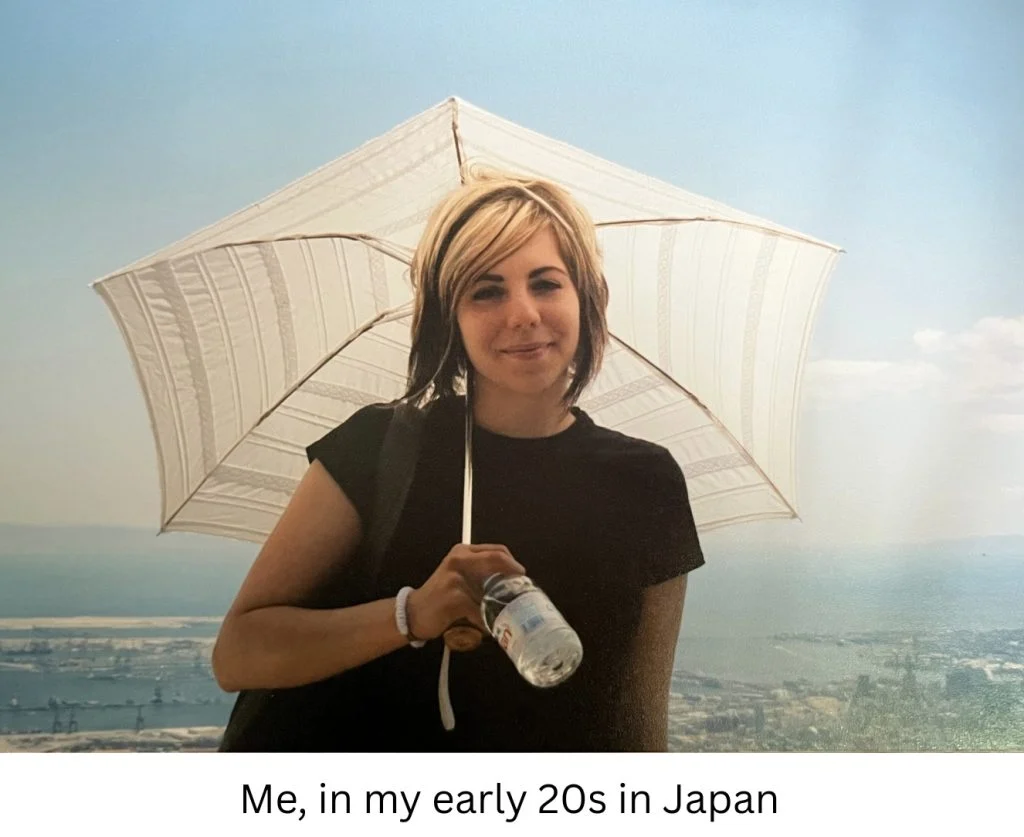
Years before the formalization of modern dysautonomia research, many patients—such as those living or working in Japan—first encountered the sun umbrella out of necessity rather than medical guidance. In Japan, the intense humidity and heat index often exceed levels that most Westerners are accustomed to. For someone living in a pedestrian-centric society without the benefit of constant air conditioning or a personal vehicle, the "hot wet towel" effect of a Japanese summer becomes a daily obstacle.

In the early 2000s, many expatriates discovered that the local practice of carrying a parasol provided immediate relief. Beyond the cooling effect, these umbrellas served as a vital barrier for those with skin sensitivities or chemical allergies to sunscreens. It was during this era that the dual utility of the sun umbrella—as both a thermal regulator and a physical shield—began to be understood by the patient community.
The Modern Integration
Fast forward to 2026, and the sun umbrella is gaining traction in Western clinical and patient circles. What was once considered a niche accessory is now being recommended in forums and advocacy groups as a legitimate medical aid. This shift marks a broader move toward "adaptive living," where patients are encouraged to use whatever tools necessary to preserve their energy levels and physical stability.
Supporting Data: The Science of the "Cooling Effect"
The efficacy of the sun umbrella is supported by emerging thermal research. A study published in the Journal of the Meteorological Society of Japan highlights that high-quality UV-blocking umbrellas can lower the perceived temperature under the canopy by approximately 7°F to 9°F (4°C to 5°C).
This reduction is not merely a matter of comfort; it is a matter of autonomic conservation. When the ambient temperature beneath an umbrella is reduced by nearly ten degrees, the body is not required to activate its aggressive cooling response as rapidly. This "energy saving" is critical for those with hEDS and dysautonomia, who often live with a limited daily "battery" of energy. By preventing the body from entering a high-stress thermal state, patients can extend their capacity to remain upright and mobile, reducing the risk of syncope (fainting) or near-syncope events.
Official Perspectives and Industry Standards
While the medical establishment focuses heavily on pharmaceuticals like beta-blockers or blood volume expanders for dysautonomia, there is a growing consensus that lifestyle modifications—often called "pacing" or "adaptive strategies"—are just as essential.
Leading advocacy groups, including Dysautonomia International and various EDS support networks, emphasize the importance of thermal management. While they may not issue a formal "medical device" label to the sun umbrella, the consensus among patient educators is clear: if a tool provides a tangible improvement in quality of life and reduces symptom severity, it belongs in the patient’s toolkit.
The manufacturing sector has responded to this need as well. Modern sun umbrellas are far more advanced than their rain-shielding counterparts. Key features to look for when selecting a model include:

- High-Density UV Coatings: A specialized silver or black inner lining that reflects radiation rather than absorbing it.
- UPF 50+ Rating: Ensuring the fabric blocks 98% or more of UVA and UVB rays.
- Wind Resistance: Given that dysautonomia patients may have reduced motor control or grip strength, lightweight, wind-resistant frames are preferred.
- Portability: Compact, collapsible designs that fit easily into a tote bag or backpack, ensuring the tool is available whenever the weather shifts.
Implications for the Future: Normalizing Adaptive Tools
The primary hurdle to the widespread adoption of the sun umbrella in the West is not efficacy, but social stigma. In many North American and European cities, an umbrella is strictly viewed as a rain-protection device. Using one on a clear, sunny day can invite curious looks or inquiries about the weather.
However, the implications of this shift are profound. If the patient community continues to normalize the use of sun umbrellas, it does more than just help individuals stay cool; it changes the public perception of invisible disabilities. When an individual uses a tool to manage their health, they are reclaiming their autonomy.
A Multimodal Approach
It is important to reiterate that a sun umbrella is not a panacea. It is one component of a holistic management plan. For individuals with dysautonomia, successful summer management typically requires a "multimodal" approach:
- Hydration and Electrolytes: Maintaining blood volume is paramount.
- Compression Garments: Using medical-grade hosiery to prevent blood pooling.
- Cooling Technology: Utilizing neck fans, cooling vests, and chilled towels in conjunction with shade.
- Activity Modification: Planning outings during cooler hours of the day (early morning or late evening).
By layering these strategies, patients can construct a protective barrier against the volatility of their condition. The sun umbrella represents the final piece of this puzzle—the ability to take the shade with you, effectively shrinking the vast, hot outdoors into a manageable personal space.
Conclusion: Small Tools, Big Changes
For someone navigating the chronic, often invisible, symptoms of dysautonomia, the summer season should not have to be a period of isolation. While the physiological challenges are real and significant, the evolution of adaptive tools offers a path forward.
Whether it is a walk through the city, a day at the park, or an outdoor event with loved ones, the ability to maintain a stable core temperature is the difference between participating in life and merely observing it from behind closed doors. As we move further into the summer of 2026 and beyond, the sun umbrella stands as a testament to the idea that the most effective solutions are often the simplest. Sometimes, the most powerful medical intervention is the one that gives you back the freedom to step outside, confident in your ability to handle the heat.
Jacqueline Teti, Editor-in-Chief & Director of Programs
June 2026