









In a significant development for respiratory health technology, OxiWear—the developer of an innovative, ear-worn pulse oximeter—has officially announced that its FDA-cleared device is now eligible for reimbursement through Medicare and a growing network of private insurance providers. This milestone marks a critical pivot from a consumer-focused health gadget to a standardized clinical tool, potentially transforming the landscape of remote patient monitoring for those suffering from chronic conditions.
For millions of patients navigating the complexities of respiratory, cardiovascular, and pulmonary diseases, the ability to track blood oxygen saturation (SpO2) in real-time is not merely a convenience; it is a life-saving necessity. By securing reimbursement, OxiWear has dismantled one of the most significant barriers to adoption: the prohibitive out-of-pocket costs that often prevent vulnerable patient populations from accessing high-tech medical monitoring.
Main Facts: A New Standard in Remote Monitoring
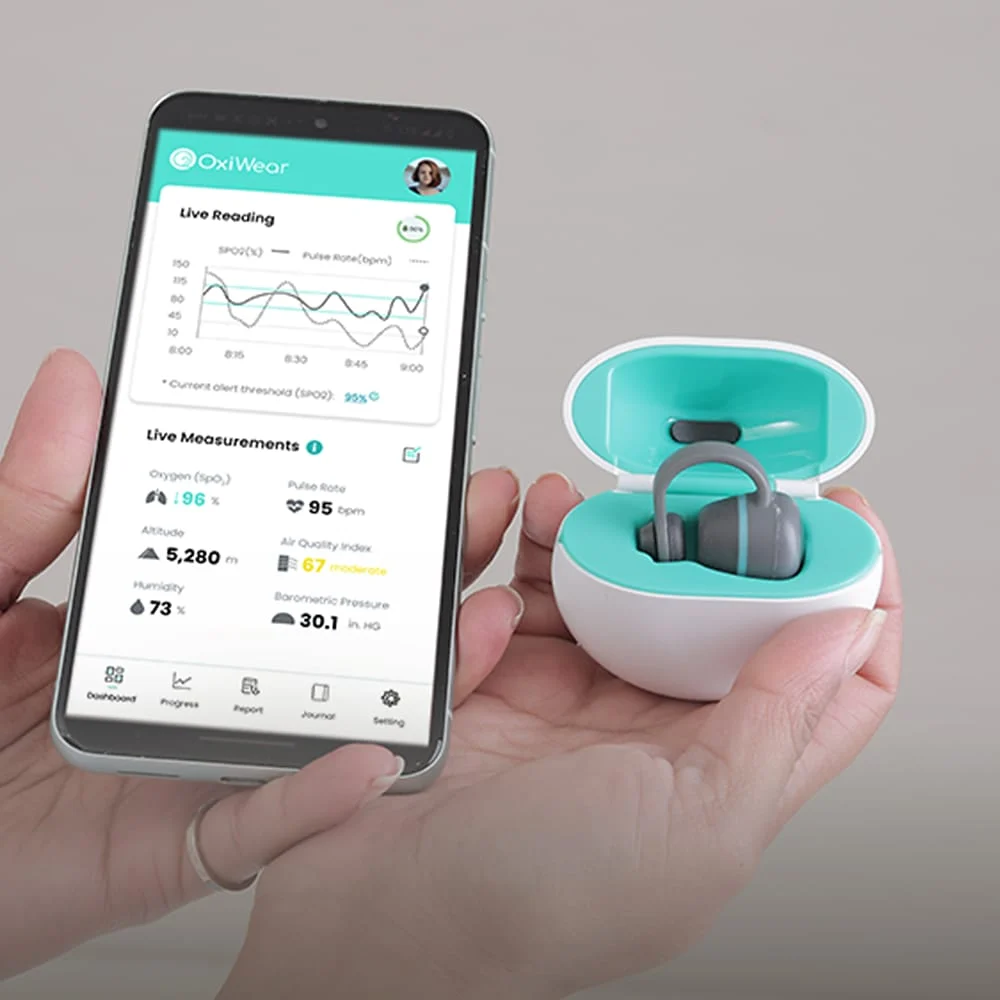
OxiWear’s ear-worn device represents a departure from the traditional fingertip pulse oximeter, which is often cumbersome and impractical for 24/7 use. The device provides continuous blood oxygen monitoring and, crucially, sends real-time alerts when oxygen levels drop below a pre-set threshold, whether the patient is active, resting, or asleep.
The core facts of this development include:
- Reimbursement Eligibility: The device is now recognized for coverage by Medicare and participating private insurers, shifting the financial responsibility from the patient to the healthcare system.
- Clinical Versatility: Cleared by the US Food and Drug Administration (FDA), the device is authorized for use in both professional clinical settings and the home environment.
- Inclusive Technology: During the FDA clearance process, the device demonstrated high clinical performance across a diverse spectrum of skin tones, addressing a long-standing critique of conventional pulse oximetry, which has historically shown accuracy disparities in patients with darker skin pigmentation.
- Target Demographics: The primary beneficiaries include individuals with chronic obstructive pulmonary disease (COPD), congestive heart failure, pulmonary hypertension, and other conditions that predispose patients to hypoxic events.
The Chronology: From Concept to Clinical Integration
The journey to this reimbursement milestone has been a multi-year effort defined by rigorous clinical validation and strategic regulatory navigation.
The Inception (2019–2021)
The story of OxiWear began with a personal mission. Shavini Fernando, the company’s founder and CEO, conceptualized the device based on her own experiences living with Pulmonary Hypertension. Facing the constant risk of silent hypoxia, Fernando recognized that existing medical devices were too bulky and lacked the ability to provide early warning signals that could prompt immediate medical intervention.
FDA Clearance (2023)
The turning point for the company occurred when the device received official FDA clearance. The regulatory review process was exhaustive, focusing not only on the accuracy of the oxygen saturation readings but also on the device’s reliability during physical movement and its consistency across diverse physiological profiles. The successful clearance validated the ear-worn form factor as a viable, medical-grade alternative to standard monitoring tools.
The Reimbursement Pivot (2024)
Following clearance, the company shifted its focus toward the complex infrastructure of medical billing. Achieving "reimbursement-ready" status required demonstrating to CMS (Centers for Medicare & Medicaid Services) and private payers that the device reduces the total cost of care. By preventing "avoidable hospitalizations"—often caused by undetected drops in oxygen—the device proved its economic value to the healthcare ecosystem.
Supporting Data: Why Accuracy and Accessibility Matter
The push for equitable pulse oximetry is backed by a growing body of medical research. For decades, the medical community has grappled with the "racial bias in pulse oximetry," where standard devices have been shown to overestimate oxygen saturation in patients with darker skin, leading to delayed treatment and poorer outcomes.
OxiWear’s clinical data submitted to the FDA underscores a commitment to equity. By utilizing a unique ear-lobe placement—an area of the body with different vascularization and pigmentation density compared to the fingertip—the device provides a more stable and accurate reading.
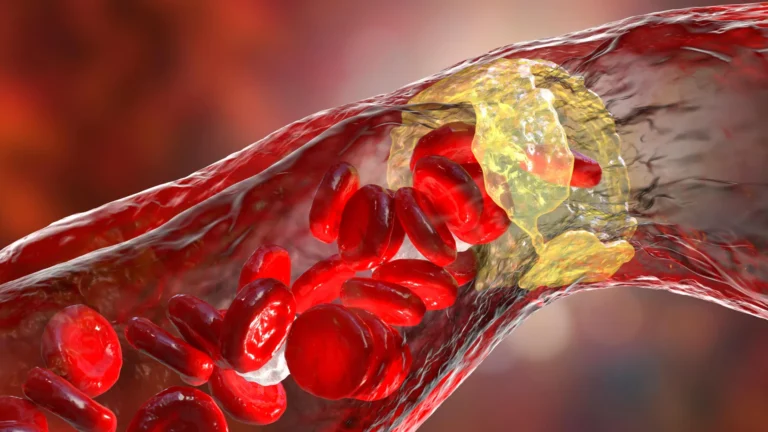
Furthermore, the data regarding "silent hypoxia" is stark. Patients with chronic conditions often become desensitized to low oxygen levels, or they experience drops during sleep that go unnoticed. Studies suggest that early detection of these events can prevent the rapid physiological decline that leads to emergency room visits. By providing a continuous data stream, OxiWear allows physicians to move from reactive treatment to proactive, data-driven disease management.
Official Responses: A Vision for the Future
The announcement of insurance coverage has been met with optimism from stakeholders across the healthcare continuum.
"I started OxiWear as a personal mission to help people like me live life to the fullest despite the challenges of living with conditions that put us at risk of low oxygen levels," says Shavini Fernando. "Since receiving FDA clearance, one of our biggest priorities has been solving the reimbursement challenge and ensuring patients can access this technology without creating an additional financial burden."
Fernando emphasized that this is not just about technology, but about restoring agency to the patient. "I’m incredibly proud that we’ve been able to work through those barriers and make OxiWear available through insurance coverage. Now, more patients can access the continuous oxygen data they need with greater affordability and peace of mind."
Industry analysts note that this shift signals a broader trend: the "hospital-at-home" movement. As insurance providers look for ways to manage the rising costs of chronic disease, they are increasingly incentivized to cover devices that keep patients safely in their own homes rather than in hospital beds.
Implications: The Long-Term Impact on Healthcare
The inclusion of OxiWear in insurance formularies carries profound implications for the future of patient care.
Reducing Hospital Readmissions
For healthcare systems operating under value-based care models, readmission rates are a critical metric. By providing a continuous monitoring loop, OxiWear allows home health nurses and primary care physicians to spot a downward trend in a patient’s health days before it becomes a crisis. This early intervention is the primary driver behind the reduced hospital costs that insurance providers are now betting on.
Empowering Patient Autonomy
There is an intangible benefit to the patient: psychological peace of mind. Living with a condition that causes hypoxia often leads to "medical anxiety," where patients are fearful of performing basic daily activities. A device that acts as a reliable, unobtrusive guardian can significantly improve the quality of life, allowing patients to move with confidence, knowing that they have a safety net.
Standardizing Remote Patient Monitoring (RPM)
The successful reimbursement of OxiWear sets a precedent for other wearable medical technologies. It demonstrates that if a company can navigate the stringent requirements of clinical accuracy, equity in testing, and economic impact analysis, the path to integration into the standard of care is open.
Addressing Healthcare Disparities
Perhaps most importantly, the focus on equity in clinical performance means that this technology is not just an elective purchase for the wealthy. By aligning with Medicare, the technology is now accessible to the elderly and the chronically ill—the very populations who are most likely to experience severe complications from oxygen deprivation.
Conclusion
The evolution of OxiWear from a startup vision to a reimbursed medical necessity is a testament to the power of targeted, patient-centric engineering. By solving the dual challenges of clinical accuracy and financial accessibility, OxiWear has positioned itself as a critical component of the modern remote patient monitoring toolkit.
As the healthcare industry continues to lean into digital health, the success of this device serves as a blueprint for the future. When technology is designed to address the lived realities of patients—ensuring that it works for everyone, regardless of skin tone, and is affordable for everyone, regardless of income—the potential for improved health outcomes is immense. For the millions of Americans navigating the complexities of chronic illness, this expanded access to continuous oxygen monitoring represents a vital step toward a future where patients can live with greater freedom, security, and medical support.