




In the quiet, deliberate calculus of modern healthy eating, the produce aisle has become a battlefield of sorts. As consumers increasingly pivot away from processed carbohydrates toward nutrient-dense, whole-food alternatives, two vibrant contenders have emerged as the gold standards of root and winter vegetables: the kabocha squash and the sweet potato. While both are culinary staples celebrated for their versatility and flavor, a deeper analysis reveals a fundamental tension between the competing goals of caloric austerity and comprehensive cardiovascular protection.
Determining which of these vegetables is "superior" is a task that has occupied nutrition researchers and clinical dietitians for years. However, as recent comparative data suggests, the answer is rarely binary. Instead, the "winner" of this nutritional tug-of-war depends entirely on the specific health outcomes an individual seeks to prioritize.
Main Facts: Decoding the Nutritional Divide
At the heart of the debate lies a significant disparity in macronutrient profiles. For those navigating the complexities of weight management or glycemic control, the kabocha squash—often referred to as the "Japanese pumpkin"—is frequently touted as the lean choice.
A standard cup of cooked, mashed kabocha squash contains approximately 83 calories and 21.5 grams of carbohydrates. When measured against the sweet potato, which delivers roughly 205 calories and 45 grams of carbohydrates per equivalent serving, the distinction is stark. The kabocha squash offers approximately 60% fewer calories and nearly half the carbohydrate load of its orange-fleshed counterpart.
This caloric deficit is not merely a number on a label; it has functional implications for metabolic health. Lower caloric density allows individuals to consume a larger volume of food—thereby triggering satiety signals—without exceeding their daily energy budget. Furthermore, the kabocha squash possesses a more favorable glycemic index and load, meaning its carbohydrates are metabolized more slowly. This gradual release of glucose prevents the sharp insulin spikes that often trigger cravings, mid-afternoon energy crashes, and the subsequent "hunger cycle" that plagues many weight-loss efforts.
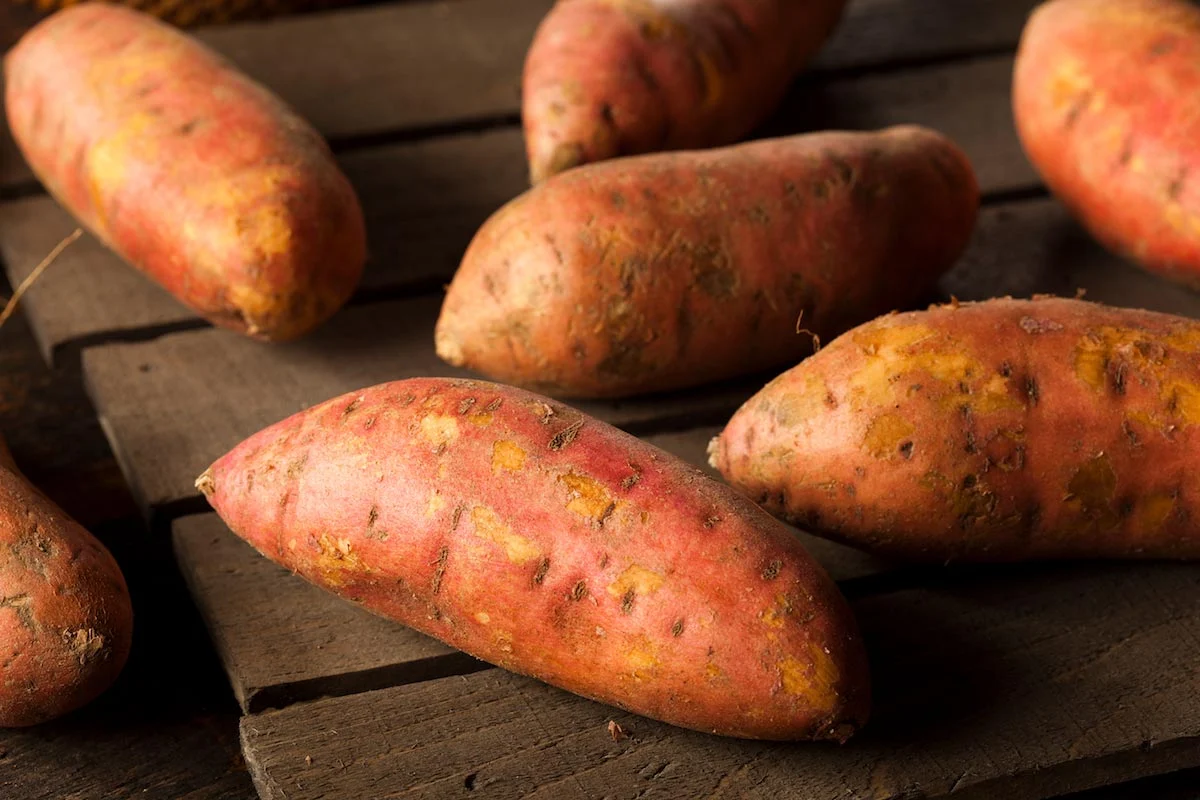
Conversely, the sweet potato acts as a powerhouse of micronutrient density. While it carries a higher caloric load, it is an unparalleled vehicle for essential vitamins and minerals. With nearly double the potassium and vitamin C found in kabocha, the sweet potato is a cardiovascular ally. A single cup of cooked sweet potato provides roughly 1,260 milligrams (mg) of potassium—about 27% of the recommended daily value—and over 32 mg of vitamin C, both of which are critical for blood pressure regulation and the mitigation of oxidative stress.
A Chronology of Dietary Evolution
To understand how these two vegetables climbed to the top of the dietary hierarchy, one must look at the evolution of American eating habits over the last three decades.
The 1990s: The Rise of the Sweet Potato
In the late 1990s and early 2000s, the sweet potato underwent a branding renaissance. Moving away from its association with holiday casseroles laden with brown sugar and marshmallows, it was repositioned by nutritionists as a "superfood." Its high beta-carotene content and complex carbohydrate structure made it a preferred staple for athletes and health-conscious consumers looking to replace refined white potatoes.
The 2010s: The Global Influence and Low-Carb Trends
As the popularity of the Paleo, Keto, and low-glycemic diets surged in the 2010s, consumers began seeking vegetables that mimicked the texture of starchy tubers but provided a lower net-carb count. The kabocha squash entered the mainstream consciousness as a "secret weapon" of the Japanese diet—a cuisine long admired for its association with longevity and lower rates of obesity.
The 2020s: The Era of Precision Nutrition
Today, the conversation has moved past simple calorie counting. Researchers are now looking at the interaction between these foods and the gut microbiome, insulin sensitivity, and systemic inflammation. The current dialogue is no longer about which vegetable is "good" or "bad," but rather how to deploy these foods strategically based on an individual’s unique biological markers and long-term health objectives.
Supporting Data: The Evidence-Based Perspective
When comparing the two, the depth of scientific literature varies significantly. The sweet potato is arguably one of the most studied vegetables in agricultural and nutritional science. Systematic reviews have consistently validated its role in human intervention studies regarding cardiovascular health.
The presence of anthocyanins, particularly in purple-fleshed varieties, has been linked in clinical settings to improved lipid profiles and enhanced vascular function. These compounds act as powerful anti-inflammatory agents, protecting the endothelium—the inner lining of blood vessels—from the damage caused by chronic inflammation.
Kabocha squash, while nutrient-rich, possesses a smaller body of clinical literature. Much of the enthusiasm surrounding its benefits is extrapolated from broader studies on winter squashes and pumpkins (the Cucurbita genus). While these studies consistently show that diets high in squash-derived carotenoids are associated with reduced markers of systemic inflammation and improved ocular health, the specific clinical trials focusing solely on kabocha remain sparse. This does not necessarily imply that kabocha is inferior, but rather that the "scientific consensus" regarding its cardiovascular benefits is currently less robust than that of the sweet potato.
Fiber: The Great Equalizer
Regardless of the metabolic differences, both vegetables are exemplary sources of dietary fiber. Kabocha provides approximately 6.37 grams of fiber per cup, while the sweet potato offers 7.75 grams. This high fiber content serves three vital functions:
- Digestive Health: It promotes regularity and supports a diverse gut microbiome.
- Lipid Regulation: Soluble fiber binds to cholesterol in the digestive tract, aiding in the reduction of LDL ("bad") cholesterol.
- Blood Pressure Control: By regulating glucose absorption, fiber helps mitigate the systemic stress that leads to hypertension.
Furthermore, sweet potatoes contain significant amounts of resistant starch—an indigestible carbohydrate that acts as a prebiotic, fueling the beneficial bacteria in the colon and potentially improving insulin sensitivity in the process.
Official Responses and Clinical Perspectives
Dietitians and nutritionists are increasingly moving toward a "precision approach" when advising clients on these two staples.
"The choice should be contextual," notes Dr. Elena Vance, a clinical nutritionist. "If I am working with a patient dealing with insulin resistance or pre-diabetes, I will prioritize kabocha squash to keep the glycemic load manageable. However, if I have an athlete or a patient with high blood pressure who needs high potassium levels to support their cardiovascular system, the sweet potato becomes a mandatory addition to their weekly meal plan."
Public health agencies, while not specifically ranking one over the other, emphasize the "rainbow approach." The consensus is that the nutritional synergy of consuming a variety of colored vegetables—the deep orange of the sweet potato and the dark green or vibrant yellow of the kabocha—provides a wider array of phytonutrients than relying on a single source.
Implications for the Modern Consumer
The debate between kabocha squash and sweet potatoes highlights a crucial lesson in modern nutrition: the "healthiness" of a food is often dictated by the preparation method as much as the produce itself.
The Preparation Trap
The most significant threat to the health profile of these vegetables is not their natural carbohydrate content, but the culinary environment in which they are placed. When these vegetables are roasted in high-smoke-point oils, glazed with maple syrup, or served as a side to processed proteins, their inherent metabolic benefits are neutralized.
For optimal health, dietitians recommend:
- Steaming or Boiling: This preserves the integrity of the vitamins without the need for added fats.
- Dry Roasting: Using a high-quality convection oven to caramelize natural sugars without the use of excessive oils.
- The "Whole" Approach: Keeping the skin on, particularly with sweet potatoes, which contains a high concentration of the vegetable’s antioxidant compounds.
Strategic Integration
The ultimate implication for the consumer is the realization that a balanced diet is a strategic portfolio. Relying exclusively on sweet potatoes for their potassium might lead to an unintended caloric surplus for sedentary individuals. Conversely, relying solely on kabocha for weight control might result in a missed opportunity to consume the specific polyphenols found in sweet potatoes that protect against heart disease.
The smartest dietary strategy is to alternate these foods throughout the week. One might use kabocha squash as a low-carb mash on weeknights, and incorporate roasted sweet potato wedges into post-workout meals on the weekends.
Conclusion: A Complementary Future
In the final analysis, the rivalry between kabocha squash and sweet potatoes is a constructive one. It forces the consumer to engage more deeply with their own health goals. We live in an era where nutritional data is readily available, yet we are often overwhelmed by conflicting advice.
The evidence suggests that we do not need to choose between these two superfoods; we need to understand them. By utilizing kabocha squash as a tool for weight management and blood sugar stabilization, and viewing the sweet potato as a vital cardiovascular and nutrient-dense resource, consumers can build a diet that is both sustainable and scientifically sound.
In the quiet competition between these two colorful titans of the vegetable world, the consumer who embraces the unique strengths of both is the one who will achieve the most comprehensive health outcomes. As with most things in nutrition, the secret lies not in the exclusion of one, but in the intelligent integration of all.