




18 May, 2026
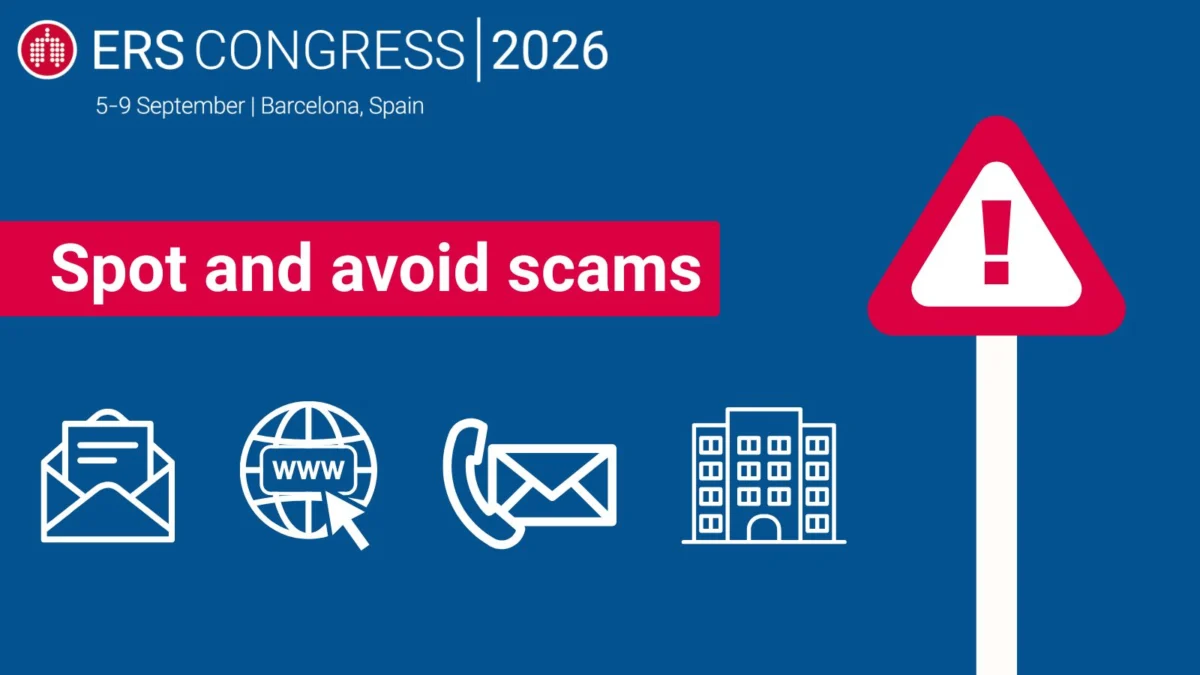
The European Respiratory Society (ERS) Congress stands as the premier gathering for respiratory professionals worldwide. As thousands of clinicians, researchers, and industry stakeholders prepare to descend upon Barcelona, Spain—and join the digital stream—from 5–9 September, 2026, the excitement is palpable. However, with the prestige of such a large-scale event comes an unfortunate reality: the rise of sophisticated cyber-fraud aimed at exploiting the global medical community.
The ERS is taking a proactive stance to ensure that attendees remain vigilant. By understanding the tactics employed by bad actors and adhering to strict verification protocols, delegates can safeguard their personal information, finances, and the integrity of their conference experience.
Main Facts: The Threat Landscape
The ERS Congress is a high-value target for "phishing" and "spoofing" operations. Fraudulent entities frequently set up deceptive websites that mirror the official ERS branding, offering "exclusive" hotel rates or "discounted" registration packages. These sites are designed to capture credit card details and personal identity information.
Key Pillars of Security
- Verification of Correspondence: All official communications regarding the congress will originate from an
@ersnet.orgdomain. Any communication claiming to be from the ERS but arriving from generic domains (e.g., @gmail.com, @outlook.com, or slightly misspelled variations of the official site) should be treated with extreme suspicion. - Authorized Partnerships: The ERS works exclusively with vetted, long-term partners. Registration is handled solely through K.I.T. Group GmbH, and official hotel booking services are managed by bnetwork. Any other entity claiming to represent the congress for booking or registration is likely operating fraudulently.
- The "Early-Bird" Trap: Scammers often use the pressure of upcoming deadlines—such as the 1 July early-bird registration cutoff—to induce panic and hasty decision-making. Attendees are urged to pause and verify before entering payment details.
Chronology: The Lifecycle of Congress Planning
The planning for the ERS Congress 2026 follows a rigorous timeline. Understanding this timeline helps delegates distinguish between legitimate administrative prompts and unsolicited, predatory outreach.
- Early 2026: Initial announcements and launch of the official portal. Legitimate outreach begins via the ERS newsletter.
- May 2026: Increased activity from scammers as registration numbers rise. The ERS issues this formal advisory to protect the community.
- 1 July 2026: The deadline for the early-bird registration discount. This date is a peak window for "Urgency Scams," where criminals impersonate organizers to "help" users register before the price hike.
- August 2026: Focus shifts to hotel and travel coordination. Scammers often pivot to "accommodation scams," targeting delegates with fake room availability updates.
- 5–9 September 2026: The Congress takes place. Fraudsters may attempt "post-conference" scams, such as offering fake recordings or "access to delegate lists."
Supporting Data: Why Respiratory Events are Targeted
The respiratory health sector has seen unprecedented growth in investment and research interest since 2020. This increased visibility makes the ERS Congress a "whale" in the eyes of cyber-criminals.
Recent industry reports suggest that large-scale medical conferences are targeted by three primary types of fraud:
- Financial Phishing: The most common form, involving fake invoices for registration that has already been paid or bogus hotel booking charges.
- Identity Theft: The collection of passport information or medical credentials under the guise of "travel visa support" or "delegate verification."
- Malware Distribution: Embedding malicious links within seemingly professional-looking invitations or abstracts, which can compromise the hospital or university network of the attendee.
By staying on the official ERS Venue and Travel page, delegates effectively bypass these risks by interacting only with verified endpoints.
Official Responses and Verification Protocols
The ERS leadership has made it clear: the security of our members and attendees is a priority equal to the dissemination of scientific knowledge.
What to do if you are targeted:
- Cease Communication: If you suspect an interaction is fraudulent, do not provide any further information. Do not click on any links provided in the suspicious email.
- Verify with the Source: If an offer seems "too good to be true" (such as a hotel rate significantly lower than city averages for that time of year), reach out directly to the ERS via the official contact portal.
- Report the Incident: If you have been contacted by an entity claiming to represent the congress, please report the name of the company or the email address used. This data is critical in allowing the ERS to issue cease-and-desist orders or alert legal authorities.
"Our goal is to ensure that the scientific discourse at the 2026 Congress remains the sole focus of our attendees," an ERS spokesperson noted. "We have robust systems in place, but we rely on the vigilance of our community to shut down these fraudulent actors before they can cause harm."
Implications: The Broader Impact of Cyber-Fraud
The implications of these scams go far beyond the loss of a few hundred euros. For the medical professional, a compromised email account or stolen credit card can lead to identity theft that takes months to resolve. Furthermore, for institutions, a successful phishing attempt can serve as an entry point into broader hospital systems, posing a significant risk to patient data security.
Protecting the Professional Community
The ERS strongly encourages all attendees to share these tips with their departments and colleagues. When booking travel:
- Check the URL: Ensure the browser shows
ersnet.org. - Verify the Partner: Confirm the vendor is on the official list of suppliers.
- Use Secure Payment Methods: Whenever possible, use credit cards that offer fraud protection and avoid direct bank transfers to unknown accounts.
Looking Toward Barcelona
Barcelona is a city renowned for its hospitality, and the ERS is working closely with local authorities to ensure a secure environment both at the physical venue and in the digital space. As we approach the September dates, the focus remains on innovation, patient care, and collaborative research. By maintaining a skeptical eye toward unsolicited offers, we can ensure that the ERS Congress 2026 remains a beacon of progress in respiratory health.
Final Reminder: Ensure you register through the official ERS channels before the 1 July early-bird deadline. If you have questions about your registration status or suspect you have been approached by an unauthorized third party, please reach out to the team at the official email address: [email protected] or contact K.I.T. Group GmbH directly through the verified channels provided on the ERS website.
Let us work together to keep the ERS community safe, secure, and ready to share the breakthroughs that will define the future of respiratory medicine.