




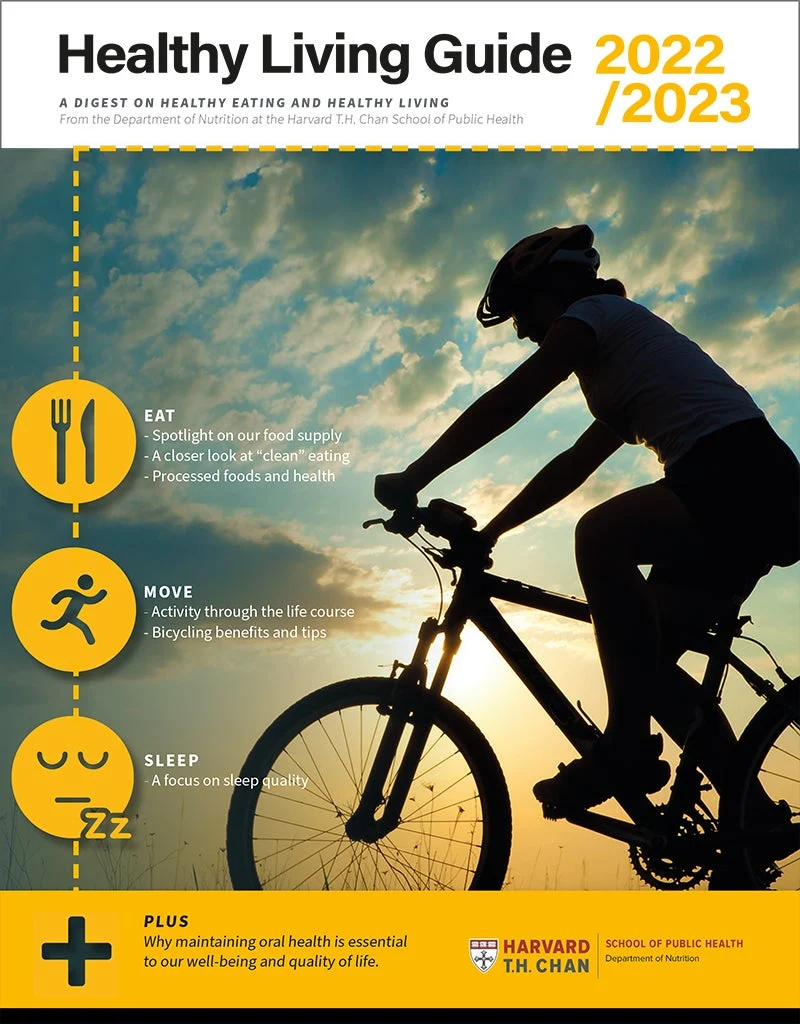
As the global community moves further into the 2020s, the discourse surrounding food, health, and environmental sustainability has shifted from the fringes of public policy to the center of national strategy. Following a pivotal year in 2022, characterized by landmark governmental initiatives and ongoing academic scrutiny, the Harvard T.H. Chan School of Public Health has released its latest Healthy Living Guide. This resource arrives at a time when the gap between nutritional science and public policy implementation remains a critical hurdle for global wellness.
The State of Nutrition: Main Facts and Current Challenges
The fundamental challenge facing public health officials today is the "double burden" of malnutrition: the simultaneous prevalence of undernourishment and the obesity epidemic, both of which are exacerbated by an industrial food system that prioritizes caloric density over nutritional quality.
The primary objective of modern nutritional advocacy is the creation of a food environment where the "healthy choice" is the "easy choice." Currently, systemic barriers—ranging from "food deserts" in underserved urban and rural areas to the ubiquity of ultra-processed foods—make achieving optimal health a struggle for the average consumer. According to the Harvard Department of Nutrition, the goal is not merely to increase the quantity of food available, but to improve the systemic accessibility of nutrient-dense, sustainably sourced foods for all socioeconomic demographics.
Chronology: A Turning Point in Policy
The year 2022 served as a watershed moment for American nutrition policy, marked most notably by the White House Conference on Hunger, Nutrition, and Health.
- September 2022: The Biden-Harris Administration convened the first White House Conference on Hunger, Nutrition, and Health since 1969. This event set an ambitious goal: to end hunger and reduce diet-related diseases by 2030.
- Late 2022: Following the conference, the administration unveiled a "National Strategy" involving five pillars: improving food access and affordability, integrating nutrition and health, empowering all consumers to make and have access to healthy choices, supporting physical activity for all, and enhancing nutrition and food security research.
- January 2023: In response to the evolving policy landscape, the Harvard T.H. Chan School of Public Health published its annual Healthy Living Guide, providing evidence-based synthesis of the year’s developments and practical advice for individuals.
This chronology highlights a shift toward a more holistic view of health, acknowledging that hunger is not just about lack of calories, but about the quality of the diet consumed.
Supporting Data: The Need for Systemic Change
The data underpinning the current push for policy reform is stark. The prevalence of diet-related chronic diseases—including Type 2 diabetes, cardiovascular disease, and certain cancers—continues to climb, placing an unsustainable burden on the healthcare system.
According to experts, the integration of "medically tailored meals" into Medicare coverage represents a significant data-backed intervention. Studies have consistently shown that providing patients with specific, nutrient-dense meal plans as part of their treatment plan results in lower hospital readmission rates and reduced overall healthcare costs.
Furthermore, the environmental data is equally compelling. The industrial food system is a major contributor to greenhouse gas emissions, water depletion, and soil degradation. The call to action is clear: dietary patterns must shift toward plant-forward diets, which are shown to be both healthier for the individual and more sustainable for the planet.
Official Responses and Expert Critique
While the 2022 White House Conference was widely lauded for bringing nutrition back to the forefront of the political agenda, it was not without its detractors. Leading nutritionists, including Drs. Frank Hu, Walter Willett, and Lilian Cheung of Harvard, offered a nuanced appraisal of the administration’s national strategy.
The Omissions in Policy
While the strategy includes promising initiatives like expanding nutrition assistance programs (SNAP) and investing in food-is-medicine programs, the experts highlighted several "major omissions":
- Marketing Restrictions: The strategy failed to provide robust protections for children against the aggressive marketing of unhealthy, ultra-processed foods, a move that many advocates argue is essential to curbing childhood obesity.
- Climate Change Integration: While the strategy acknowledges the food system, it lacks a comprehensive, actionable plan to transform the food industry in response to the looming climate crisis.
- Cross-Sector Collaboration: The experts emphasized that policy alone is insufficient. They argued that the administration must foster a collaborative environment that brings together public and private sectors, philanthropists, and academia to build truly sustainable food systems.
"To have a significant impact," the experts noted, "the administration must look beyond immediate relief and aim for structural changes that support both public and planetary health."
Implications: The Path Forward for Public and Planetary Health
The implications of these developments are twofold: for the individual and for the policymaker.
For the Individual
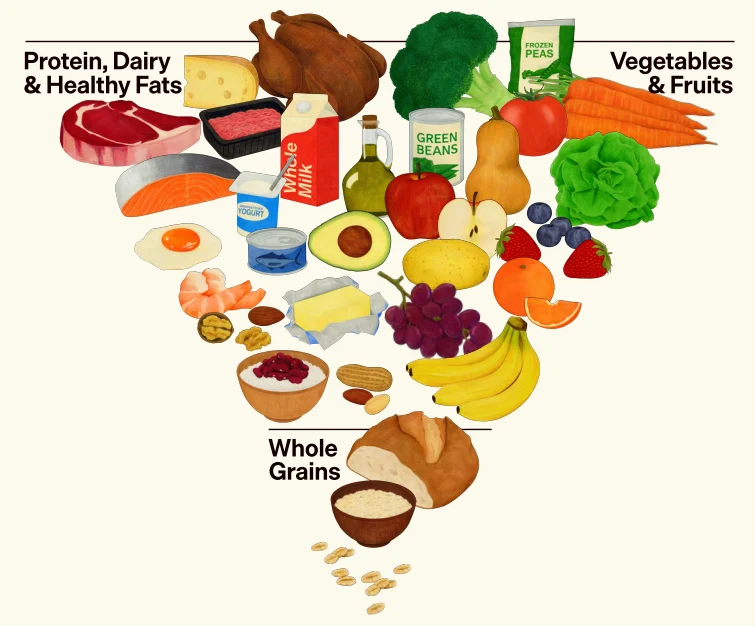
The takeaway is that incremental change is both possible and powerful. The Healthy Living Guide encourages individuals to view nutrition not as a rigid set of rules, but as a series of sustainable, healthy behaviors. Whether it is incorporating more whole grains, reducing the intake of sugary beverages, or increasing daily physical activity, no change is too small to contribute to long-term wellness.
For the Policymaker
The implications for governance are more complex. Policymakers are tasked with the delicate balance of regulating food industries while incentivizing healthier production methods. The shift toward "food-is-medicine" suggests a future where doctors may eventually "prescribe" healthy produce as readily as pharmaceuticals. However, this requires a massive overhaul of existing agricultural subsidies, which currently favor monocrop commodities like corn and soy over fruits and vegetables.
The Role of the Healthy Living Guide
The 2022-2023 Healthy Living Guide serves as a bridge between the complexities of academic research and the daily needs of the public. By offering printable tip sheets, research summaries, and interactive knowledge tests, it empowers readers to take charge of their health.
As we look toward 2030, the guide emphasizes that the responsibility for health is shared. While individuals must make informed choices, those choices are only possible when the broader food environment is designed to support them.
Conclusion: A Call to Action
The pursuit of a healthy life in the 21st century is inextricably linked to the health of our food systems and our environment. The 2022 White House Conference was a necessary start, but the work of ending hunger and reversing the tide of chronic disease is far from finished.
As we continue to navigate the complexities of nutrition, we must demand transparency in food marketing, advocate for policies that prioritize planetary health, and embrace the small, daily changes that define a life of wellness. For those seeking to deepen their understanding, the resources provided by the Harvard T.H. Chan School of Public Health offer a reliable compass. Whether you are a healthcare provider, a policymaker, or an individual simply trying to eat better, the message remains the same: the future of health is a collective endeavor.
For those interested in testing their knowledge, we encourage you to revisit the full 2022-2023 Healthy Living Guide. By engaging with the science, we can better advocate for the policies that will ensure a healthier, more sustainable future for generations to come.