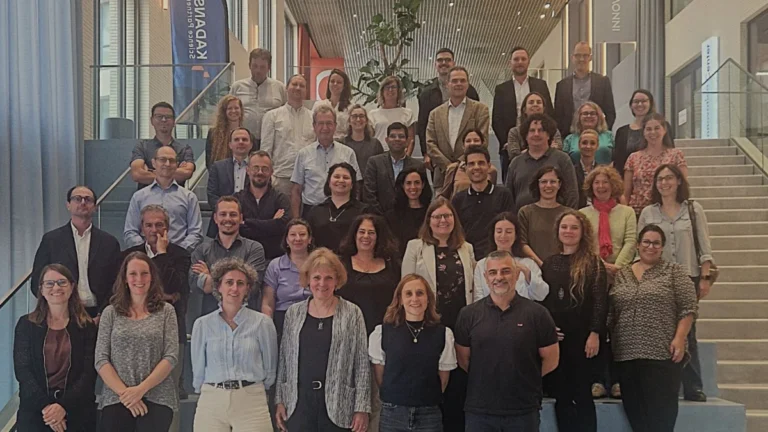






The medical landscape for respiratory health is undergoing a profound transformation, moving away from paternalistic models of care toward a collaborative, patient-centered paradigm. This shift was perhaps most visible at the World Bronchiectasis Conference (WBC) 2026, where experts, clinicians, and patient advocates converged to redefine the management of this complex, chronic lung condition. Organized by EMBARC (The European Bronchiectasis Registry), the conference served as a nexus for groundbreaking clinical research and a pivotal moment for integrating the lived experience of patients into the scientific narrative.
Main Facts: A New Era in Bronchiectasis Management
Bronchiectasis—a condition characterized by the permanent dilation of the bronchi—poses significant challenges, ranging from chronic cough and recurrent infections to the psychosocial strain of living with a fluctuating, often debilitating illness. The WBC 2026 addressed these multifaceted challenges through a rigorous scientific agenda that pushed the boundaries of current knowledge.
Key highlights of the conference included:
- Technological Integration: Extensive discourse on AI-enabled diagnostic tools, which are proving to be game-changers in early detection and personalized treatment trajectories.
- Clinical Innovation: A deep dive into NTM (Nontuberculous Mycobacteria) management, highlighting the latest findings from international clinical trials.
- Holistic Care: For the first time, the conference introduced a dedicated track specifically addressing the psychosocial impact of bronchiectasis. This move recognized that the burden of disease is not merely physical; it is emotional and systemic.
- The Launch of ELF Connect: A cornerstone announcement was the unveiling of ELF Connect, a multilingual digital ecosystem designed to offer patients, families, and clinicians a centralized hub for reliable information and community support.
Chronology: The Journey of the Conference and Beyond
The success of the WBC 2026 was not a spontaneous occurrence but the result of months of collaborative planning between EMBARC and the European Lung Foundation (ELF).
The Lead-Up: Preparation for the conference involved intense coordination between scientific researchers and the ELF Bronchiectasis Patient Advisory Group (PAG). The goal was to ensure that the scientific sessions were not just informative for clinicians, but actionable for those living with the condition.
The Conference Period:
- Day 1 & 2 (Scientific & Patient Programs): The conference operated in parallel tracks. While scientists debated the latest molecular findings, the Association and Patient Programme provided a forum for advocacy. The ELF stand functioned as a heartbeat for the event, facilitating networking for patients and carers.
- The Integration of Voices: PAG members were not merely observers; they chaired sessions and participated in panel discussions, ensuring that "real-world" feasibility was always a criterion for new clinical proposals.
- The Launch: The unveiling of ELF Connect marked the midway point of the conference, providing a lasting resource that extends the reach of the conference well beyond the closing ceremony.
The Post-Conference Horizon: The discourse continues on World Bronchiectasis Day (1 July 2026). The schedule includes a high-profile "Question Time" webinar, focusing on airway clearance techniques—a fundamental yet often misunderstood component of daily management.
Supporting Data and Technical Breakthroughs
The data presented at WBC 2026 underscores the urgency of addressing bronchiectasis as a growing global health priority. While the full clinical papers are currently being disseminated across medical journals, the core findings point to several emerging trends:
- Diagnostic Accuracy: New AI models presented at the conference demonstrated a 15% increase in diagnostic sensitivity compared to traditional radiological reviews, significantly reducing the "diagnostic odyssey" that many patients face before receiving an accurate diagnosis.
- NTM Management: Results from the latest cohort studies suggest that targeted, multidisciplinary management strategies are reducing hospital admission rates for bronchiectasis patients by up to 20% compared to standard care pathways.
- Psychosocial Metrics: Preliminary data from the new psychosocial track revealed that patients who are actively engaged in peer-support networks and have access to structured digital information report higher adherence to treatment and better self-reported quality-of-life scores.
Official Responses and Stakeholder Perspectives
The atmosphere at WBC 2026 was characterized by a palpable sense of mutual respect between the clinical and patient communities.
The Expert View
Leading clinicians, including those from the EMBARC network, emphasized that scientific advancement is hollow without patient engagement. "The registry is more than just data points," one lead researcher noted during the opening plenary. "It is a reflection of lives being lived. By involving the Patient Advisory Group, we are refining our research questions to focus on what actually improves the patient’s day-to-day existence."
The Patient Voice
Members of the ELF Bronchiectasis PAG noted that their inclusion in the conference was a milestone. "For years, patients were talked about, not talked to," said one representative. "At WBC 2026, we were in the driver’s seat of the conversation. When we chair these sessions, we ensure that clinicians understand that behind every lung scan is a human being struggling with fatigue, treatment burden, and isolation."
The Role of Advocacy
The European Lung Foundation (ELF) highlighted that its role is to act as the bridge. By hosting the Association and Patient Programme alongside the scientific conference, ELF provided a necessary pressure valve, allowing for the translation of complex medical findings into digestible, patient-friendly insights.
Implications: A Roadmap for the Future
The implications of WBC 2026 are far-reaching. The conference has set a new standard for medical meetings, suggesting that patient involvement is no longer an "optional extra" but a fundamental requirement for research legitimacy.
1. Digital Empowerment
The launch of ELF Connect is perhaps the most significant practical outcome. By providing a multilingual, free, and clinically validated platform, the organizers have effectively democratized access to care. Patients in countries with limited specialized services can now access the same quality of information as those in major urban medical centers.
2. Standardizing Care
The focus on "Airway Clearance Techniques" during the upcoming World Bronchiectasis Day reflects a shift toward standardizing non-pharmacological care. By creating a unified, global understanding of how these techniques should be taught and implemented, the medical community is moving toward a more consistent standard of care.
3. Strengthening the Global Conversation
World Bronchiectasis Day (1 July) has been established as a global rallying cry. The goal is not just awareness, but the reduction of the "burden of disease." This includes advocacy for better funding for research, earlier access to diagnostic tools, and the destigmatization of chronic respiratory conditions.
Conclusion: Join the Movement
The progress made at WBC 2026 is a testament to the power of collaboration. As we look toward the future, it is clear that the most effective path forward is one where patients and professionals walk side-by-side.
For those affected by bronchiectasis—whether as patients, caregivers, or healthcare providers—the message is clear: you are not alone. The resources are growing, the technology is improving, and the community is stronger than ever.
Call to Action:
- Stay Informed: Explore the resources available at ELF Connect.
- Engage: Participate in the World Bronchiectasis Day "Question Time" webinar on July 1st. You can register here.
- Support: Visit www.bronchandntm.org to learn more about how you can advocate for better policies and research funding.
- Connect: Sign up for the ELF mailing list to receive the latest updates, research breakthroughs, and news about future events. By joining the conversation, you help ensure that the patient voice remains the driving force behind the next generation of respiratory care.
The journey toward better bronchiectasis management is long, but the developments of 2026 have provided a clear, illuminated path forward. Through education, advocacy, and collective action, the global community is working to ensure that every person living with bronchiectasis can live a fuller, healthier life.