





For months, 55-year-old Edward (Ed) Waldner lived in a state of quiet alarm. A man accustomed to vitality, Waldner found himself inexplicably drained, battling a persistent lethargy that defied explanation. He attributed his exhaustion to the potential onset of sleep apnea, but the physical symptoms began to manifest in more disconcerting ways. He noticed a subtle, involuntary drag in his gait—a slight hitch in his stride that signaled something deeper than mere fatigue.
When those symptoms surged in severity, Waldner sought help at the emergency department. The diagnosis arrived with the cold finality of a gavel: a mass on his brain. It was glioblastoma, an aggressive and notoriously treatment-resistant form of brain cancer. For Waldner, the subsequent months were defined by the standard, grueling protocol of neurosurgery, radiation, and chemotherapy. Yet, in the shadow of this diagnosis, a glimmer of hope emerged through a pioneering clinical trial at the University of Calgary. Researchers are now testing whether high doses of Vitamin B3—niacin—could be the key to turning the tide against one of medicine’s most formidable foes.
The Nature of the Adversary: Understanding Glioblastoma
Glioblastoma multiforme (GBM) is the most common and most aggressive primary brain tumor in adults. It is characterized by its ability to infiltrate healthy brain tissue, making total surgical resection virtually impossible. Standard of care—the "Stupp protocol"—typically involves surgical removal followed by concurrent radiation and chemotherapy with temozolomide. Despite these aggressive measures, the prognosis remains grim; the tumor almost inevitably recurs, and survival rates have remained stagnant for two decades.
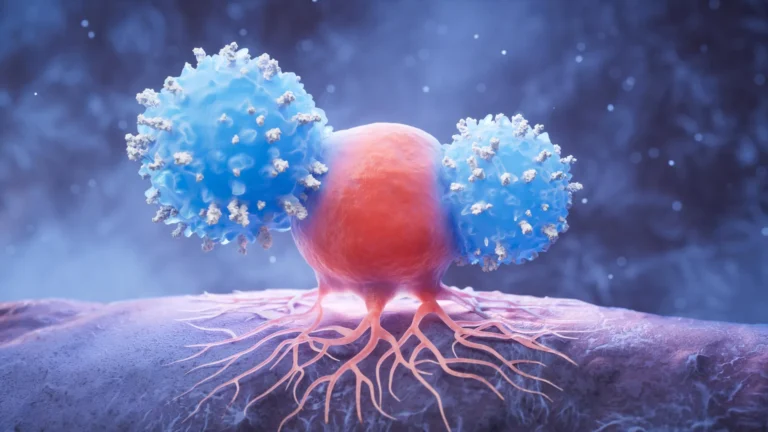
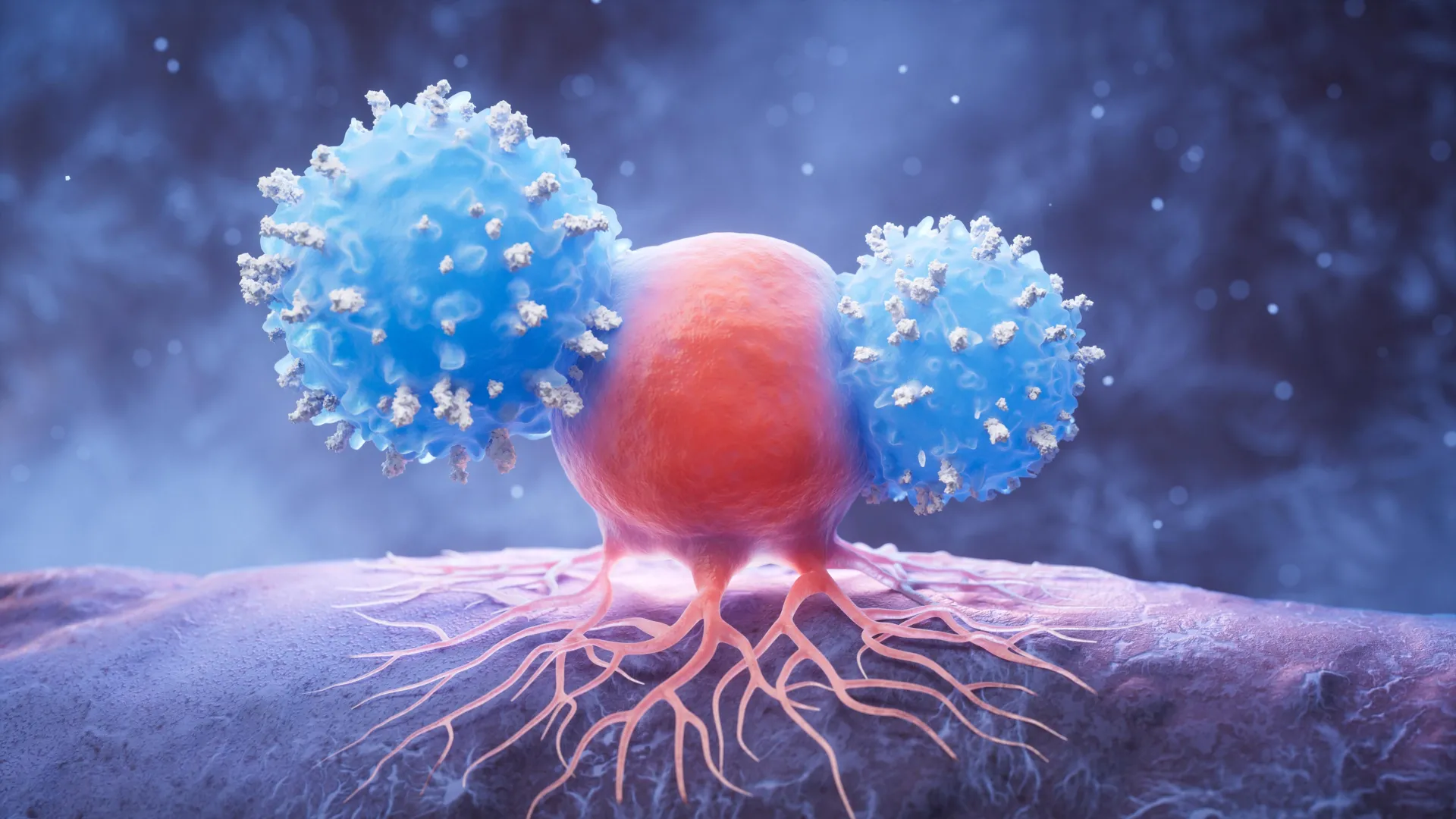
The fundamental challenge in treating glioblastoma lies in the tumor’s sophisticated ability to manipulate the host environment. These tumors do not simply grow in isolation; they actively reshape the surrounding microenvironment to suppress the immune system, effectively creating a "cloak of invisibility" that prevents the body’s natural defenders from recognizing and destroying the malignant cells.
Chronology of a Scientific Pursuit
The journey toward the current clinical trial began not in a hospital ward, but in the laboratory of Dr. Wee Yong, a neuroscientist at the University of Calgary’s Hotchkiss Brain Institute. Dr. Yong, whose career has been defined by his investigation into the complex interplay between the immune system and the brain, sought a way to disrupt the tumor’s suppressive tactics.
Collaborating with Dr. Gloria Roldan Urgoiti, a clinical associate professor and brain cancer specialist at the Arnie Charbonneau Cancer Institute, Dr. Yong developed a research program centered on metabolic intervention. The team hypothesized that niacin, a form of Vitamin B3, could act as a catalyst to "rejuvenate" exhausted immune cells within the brain.
The research followed a rigorous scientific trajectory:
- Preclinical Phase: Initial experiments in mouse models revealed that high-dose niacin supplementation could extend survival times by restoring the functionality of immune cells.
- Phase I/II Clinical Trial Launch: Bolstered by the success in the lab, the team transitioned to human trials, establishing strict safety protocols and controlled-release delivery methods.
- The Benchmark: Researchers set a critical threshold: the trial would be deemed unsuccessful if progression-free survival at six months did not improve by at least 20 percent over historical data.
- The Current Status: With 24 patients enrolled, the early results have already surpassed the target, prompting the expansion of the trial to a target of 48 participants by 2027.
Reawakening the Immune System: The Science of Niacin
The core mechanism behind this treatment is the revitalization of the immune system. "Normally the immune system will try to counter and prevent tumor growth; however, this brain cancer suppresses the immune system," Dr. Yong explains.
Glioblastoma cells essentially "exhaust" the T-cells and other immune components, leaving them unable to mount an effective defense. Niacin appears to act as a metabolic fuel for these suppressed cells, restoring their vigor and enabling them to resume their primary function: identifying and neutralizing malignant invaders. Dr. Yong describes the process as an ongoing "battle for the brain," where the vitamin serves as a strategic reinforcement for the body’s natural infantry.
The clinical trial was designed with high levels of caution. Because high doses of niacin can be toxic if improperly administered, the team utilizes a controlled-release version of the supplement, ensuring that patients receive therapeutic levels without the adverse effects associated with sudden spikes in the vitamin’s concentration.
Supporting Data and Early Clinical Findings
The results from the first 24 patients have provided the medical community with a surge of cautious optimism. When compared against the established benchmarks for glioblastoma treatment, the data suggests a significant shift in patient outcomes.
The study, recently published in the Journal of Neuro-Oncology, highlights that 82 percent of participants showed no signs of disease progression at the six-month mark. This equates to a 28 percent improvement over historical controls. In the world of oncology, where progress is often measured in weeks or months, a 28 percent improvement in progression-free survival is a statistic of profound clinical interest.
Dr. Roldan Urgoiti emphasizes that while these numbers are compelling, they must be viewed within the context of strict clinical discipline. "Glioblastoma is the most aggressive brain cancer in adults. Survival of patients with this condition hasn’t changed significantly for 20 years," she notes. "Anything that may help should be explored, but it requires strict protocols and safety monitoring."
Official Perspectives and Patient Advocacy
For participants like Ed Waldner, the trial offers more than just a potential medical breakthrough; it offers a sense of agency in a situation that is often defined by helplessness.
"I have no problem trying to help anybody. I agreed. I want to help myself too," Waldner says. "I can tell you being part of this research helps me mentally because we’re trying. When I left the hospital after surgery, I was told, ‘That’s it, that’s all we can do.’ Being in this study changed that narrative."
Today, Waldner reports feeling remarkably well. His routine has become a series of scans and check-ups, where the goal is no longer just to fight, but to maintain. When he hears the word "stable" from his medical team, it is a testament to the progress made by the University of Calgary researchers.
The academic leadership involved in this trial—Drs. Roldan Urgoiti and Yong—remains committed to the final phase of the study. The research has been bolstered by funding from the Canadian Institutes of Health Research and the Alberta Cancer Foundation, highlighting the importance of public and philanthropic investment in high-risk, high-reward medical research.
Implications for Future Oncology
The potential implications of this study reach far beyond the treatment of glioblastoma. If niacin proves to be an effective adjuvant therapy, it could revolutionize the standard of care for other aggressive cancers that utilize immune-suppressive tactics to evade detection.
However, the medical community offers a vital caveat: Niacin is not a home remedy. Researchers emphasize that the doses used in this trial are pharmaceutical-grade and administered under precise medical supervision. The public is warned that self-medicating with high-dose vitamins can lead to severe toxicity, including liver damage and other systemic health crises.
As the research team looks toward 2026 and 2027, their focus remains on the final analysis of the 48-patient cohort. Should the current success rate hold, this simple, widely available vitamin could become a cornerstone of modern neuro-oncology.
For now, the story of Ed Waldner and the team at the University of Calgary serves as a poignant reminder of the power of persistence. In the complex landscape of brain cancer research, where the odds are long and the challenges are immense, the simplest solution—rejuvenating the body’s own natural defenses—may hold the key to a future where glioblastoma is no longer a terminal verdict, but a manageable condition.
The battle for the brain continues, but with every stable scan and every patient who finds hope in the laboratory, the researchers are inching closer to a victory that has eluded medicine for a generation.