Pancreatic ductal adenocarcinoma (PDAC) remains one of the most formidable challenges in modern oncology. Characterized by its late-stage diagnosis and aggressive resistance to conventional chemotherapy, the disease has long sought a breakthrough that can bypass the "undruggable" nature of its primary driver: the KRAS mutation. A new study, published in the journal Oncotarget, offers a potential paradigm shift in how we approach this malignancy.
Led by first author Kweku Ofosu-Asante and corresponding author Nazarius S. Lamango of the Florida A&M University College of Pharmacy and Pharmaceutical Sciences, the research introduces a novel class of compounds known as polyisoprenylated cysteinyl amide inhibitors (PCAIs). These experimental agents appear to dismantle the survival mechanisms of pancreatic cancer cells through a counterintuitive biological strategy: the hyperactivation of critical growth pathways to the point of cellular suicide.
The KRAS Dilemma: Why Current Therapies Fall Short
To understand the significance of the Florida A&M study, one must first understand the enemy. KRAS mutations are present in the vast majority of pancreatic cancer cases. These mutations act as a "broken light switch" in the cell, locking signaling pathways in the "on" position, which forces the cell to divide uncontrollably.
For decades, the pharmaceutical industry struggled to develop drugs that could bind to the mutated KRAS protein. While recent advancements have yielded inhibitors for specific mutations—most notably the KRAS G12C mutation—these therapies are limited. They are highly specific, leaving patients with other KRAS variants, such as G12D or G12V, with few viable alternatives. Because PDAC is driven by a diverse array of KRAS mutations, the field has been desperate for a "pan-KRAS" approach that can inhibit tumor growth regardless of the specific mutation profile.
Chronology of the Discovery: From Bench to Spheroid
The journey to the current findings began with the development of PCAIs, a class of compounds engineered specifically to interfere with abnormal KRAS signaling. Unlike traditional inhibitors that attempt to block the protein’s binding site, PCAIs were designed to target the oncogenic G-proteins that KRAS relies on to traffic to the cell membrane.
Phase 1: Initial Screening and Viability Testing
The researchers began by exposing various pancreatic cancer cell lines to a library of PCAIs. The objective was to identify which compounds exerted the most potent inhibitory effects on cell survival. Through rigorous screening, the team identified two standout candidates, ultimately narrowing their focus to the compound NSL-YHJ-2-27.
Phase 2: Mobility and Invasion Assays
The research team transitioned to examining the metastatic potential of the cancer cells. Pancreatic cancer is lethal primarily because of its propensity to spread (metastasize) to the liver, lungs, and peritoneum. When treated with a low concentration (1 µM) of NSL-YHJ-2-27, the cancer cells exhibited a staggering 90% reduction in migratory ability. Microscopy revealed that the drug caused the cells to lose their structural integrity, forcing them to round up and detach from their migratory pathways.
Phase 3: The 3D Spheroid Model
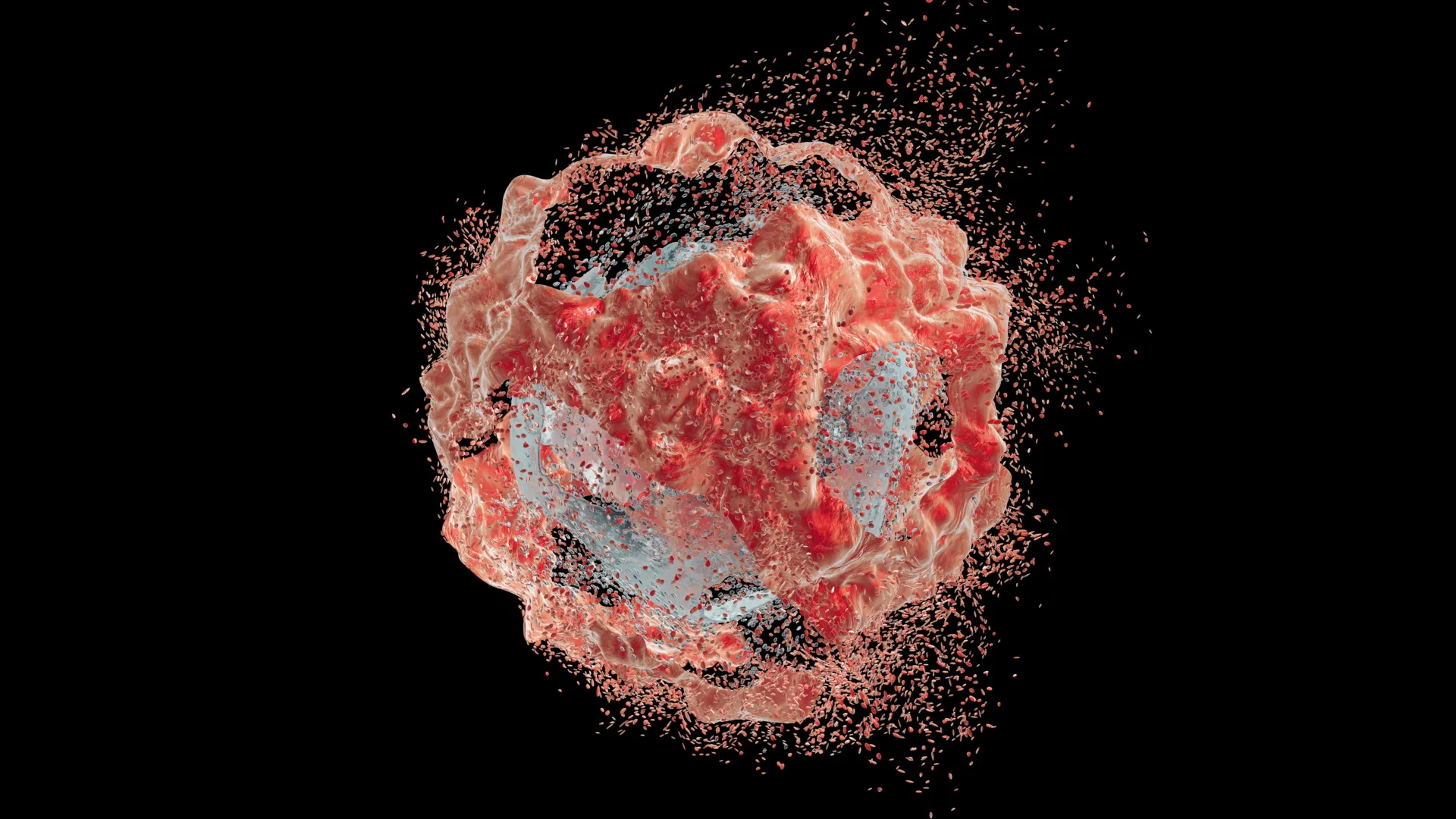
Recognizing that 2D cell cultures often fail to predict clinical success, the team employed three-dimensional tumor spheroid models. These models mimic the complex architecture of a real-world tumor, including its dense, restrictive environment. Even in this high-fidelity setting, the PCAI treatment effectively induced the fragmentation of the tumor spheroids, preventing them from invading surrounding synthetic tissue matrices and triggering widespread cell death.
The Mechanism of Action: A "Trojan Horse" Strategy
Perhaps the most compelling aspect of the study is the mechanism by which NSL-YHJ-2-27 kills the cancer cells. Conventional cancer drugs typically aim to "silence" oncogenic pathways like MAPK and PI3K/AKT. However, these pathways are often so robustly wired in cancer cells that they quickly develop resistance.
The PCAIs utilized by the Florida A&M team took a different path: they hyperactivated these pathways. By pushing the signaling cascades into a state of "overdrive," the compounds destabilized the cellular homeostatic balance.
Molecular Consequences of Hyperactivation
The research team observed that this artificial hyperactivation led to a cascade of catastrophic cellular events:
- Oxidative Stress: The cells showed a massive increase in reactive oxygen species (ROS), which damage cellular components.
- Enzymatic Activation: The compounds triggered the activation of caspase enzymes, the executioners of programmed cell death.
- Pro-apoptotic Signaling: There was a marked increase in the BAX protein, a key mediator of apoptosis.
- Cytoskeletal Collapse: The actin cytoskeleton, which provides the cell its shape and motility, was severely disrupted.
Essentially, by "overloading" the growth signals, the PCAIs tricked the cancer cell into triggering its own destruction. This bypasses the typical "resistance" mechanisms that cancer cells use to survive targeted therapies.
Supporting Data: Transcriptomic Shifts
To confirm that the morphological changes were backed by underlying genetic shifts, the team conducted transcriptomic analyses. The results provided a clear picture of the drug’s impact on the cell’s internal programming.
Genes that normally function to suppress tumor growth were significantly upregulated following treatment. Conversely, genes associated with metastasis, cell cycle progression, and drug resistance were effectively downregulated. This dual-action approach—boosting the "brakes" of the cell while cutting the "gas"—explains why the PCAIs were so effective at halting tumor progression.
Implications for Future Cancer Therapeutics
The findings from the Florida A&M University team represent a significant milestone for several reasons.
1. Broad-Spectrum Potential
Because PCAIs target the downstream processing of oncogenic G-proteins rather than the KRAS mutation site itself, they are theoretically effective against a wide variety of KRAS-driven mutations. This addresses the "specificity trap" that has hindered current clinical trials.
2. Overcoming Resistance
The reliance on hyperactivation to induce apoptosis suggests that the traditional mechanisms of drug resistance—such as secondary mutations or pathway switching—may be less effective against this class of compounds. If a cancer cell cannot "shut off" the signal, it cannot escape the lethal cycle of hyperactivation.
3. A New Scaffold for Drug Development
NSL-YHJ-2-27 serves as a promising prototype. The chemical structure of PCAIs offers a scaffold that can be further refined through medicinal chemistry to improve bioavailability, potency, and safety profiles.
Official Perspective and Future Outlook
While the results are highly encouraging, the researchers are careful to note that this is a foundational study. The transition from in vitro and 3D spheroid models to in vivo animal models and, eventually, human clinical trials, is the necessary next step.
"One class of such promising agents is the PCAIs that were designed to target oncogenic G-proteins in a manner that is different from the KRASG12C-targeting drugs," noted the researchers in their paper. By focusing on the broader biology of the tumor cell, the Florida A&M team is moving the conversation toward a more comprehensive treatment strategy.
The medical community is increasingly looking toward such multi-targeted approaches. Pancreatic cancer remains a "death sentence" for many, but the identification of compounds that can effectively induce apoptosis via pathway hyperactivation provides a new, hopeful avenue for intervention. As the research continues, the focus will likely shift toward optimizing the delivery of these compounds and ensuring they can be deployed safely in patients.
For now, the work of Kweku Ofosu-Asante and Nazarius S. Lamango stands as a testament to the power of fundamental research in tackling the most complex diseases. By challenging the status quo of pathway inhibition, they have opened a new door in the fight against one of humanity’s most stubborn adversaries.
Key Takeaways for the Oncology Community:
- Targeting G-proteins: PCAIs represent a novel strategy that targets the downstream effectors of KRAS, offering a potential solution for multiple KRAS variants.
- Hyperactivation as Therapy: The finding that extreme activation of MAPK and PI3K/AKT pathways leads to apoptosis could redefine how we view pathway-directed therapies.
- Metastatic Control: The ability to block cell migration at low concentrations suggests these compounds could be particularly effective in reducing the risk of metastasis in PDAC patients.
- Next Steps: Future studies will be critical to evaluating the systemic toxicity and therapeutic window of PCAIs in living models.