Introduction: The Imperative of Lifestyle in a Changing World
As the world navigates the lingering ripples of the global COVID-19 pandemic, the conversation surrounding personal health has shifted from reactive measures to proactive, sustainable lifestyle management. The challenges introduced by the pandemic—ranging from disrupted access to nutritious food and income instability to the profound mental health toll of isolation—have highlighted the fragility of our daily routines.
In response, experts are doubling down on the fundamental pillars of human health. While no single diet or exercise regimen acts as a "shield" against viral pathogens, the consensus among researchers is clear: a fortified immune system, built upon the foundation of consistent, healthy habits, remains our most potent defense against the multifaceted stressors of modern life.
Main Facts: The Five Pillars of Longevity
Research conducted by Harvard T.H. Chan School of Public Health has identified five foundational habits that serve as the blueprint for not just survival, but thriving. These habits are not merely suggestions; they are statistically significant predictors of life expectancy and quality of life.
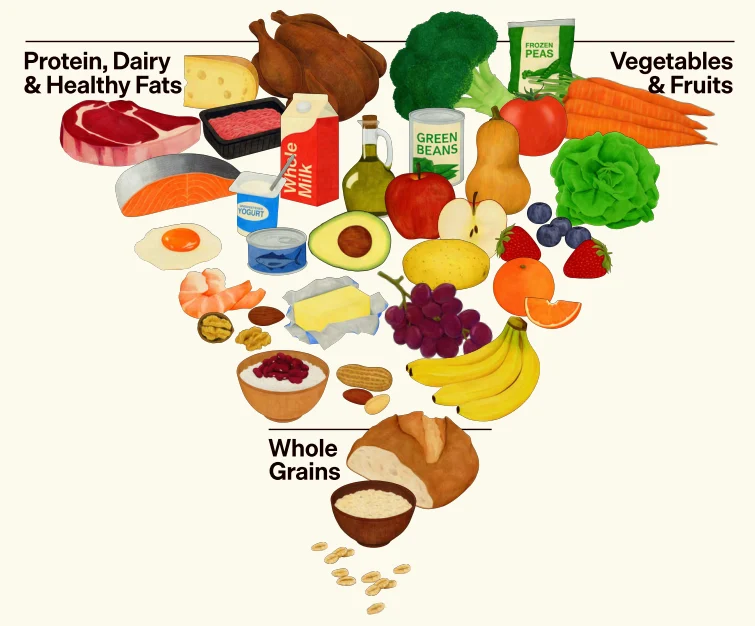
- A Nutrient-Dense Diet: Prioritizing whole foods, plant-based proteins, fiber-rich grains, and healthy fats while minimizing processed sugars and trans fats.
- Regular Physical Activity: Engaging in consistent movement that elevates the heart rate and improves muscular strength.
- Weight Management: Maintaining a healthy body weight to reduce the systemic inflammation that accompanies obesity.
- Moderation in Alcohol Consumption: Limiting intake to prevent metabolic stress and liver burden.
- Tobacco Cessation: The total avoidance of smoking, which remains the single most impactful change one can make to prevent chronic disease.
The data is striking: individuals who adhere to these five habits live, on average, more than a decade longer than those who do not. More importantly, these years are typically characterized by a higher "healthspan"—the period of life spent free from the debilitating burdens of chronic illness.
Chronology: From Crisis to Proactive Health Management
The transition from 2020 to 2021 marked a pivotal moment in public health messaging. As the acute phase of the pandemic unfolded, the initial focus was understandably on containment and acute medical care. However, as the pandemic extended into a multi-year disruption, the narrative began to shift toward "resilient living."
- Early 2020: Global lockdowns trigger sudden, widespread disruptions to food supply chains, gym accessibility, and social interaction.
- Mid-2020: Data begins to emerge regarding the impact of sedentary behavior and "pandemic stress" on mental and physical health.
- Late 2020: Public health organizations, including the Harvard Nutrition Source, initiate the development of comprehensive digital resources to help the public bridge the gap between intent and action.
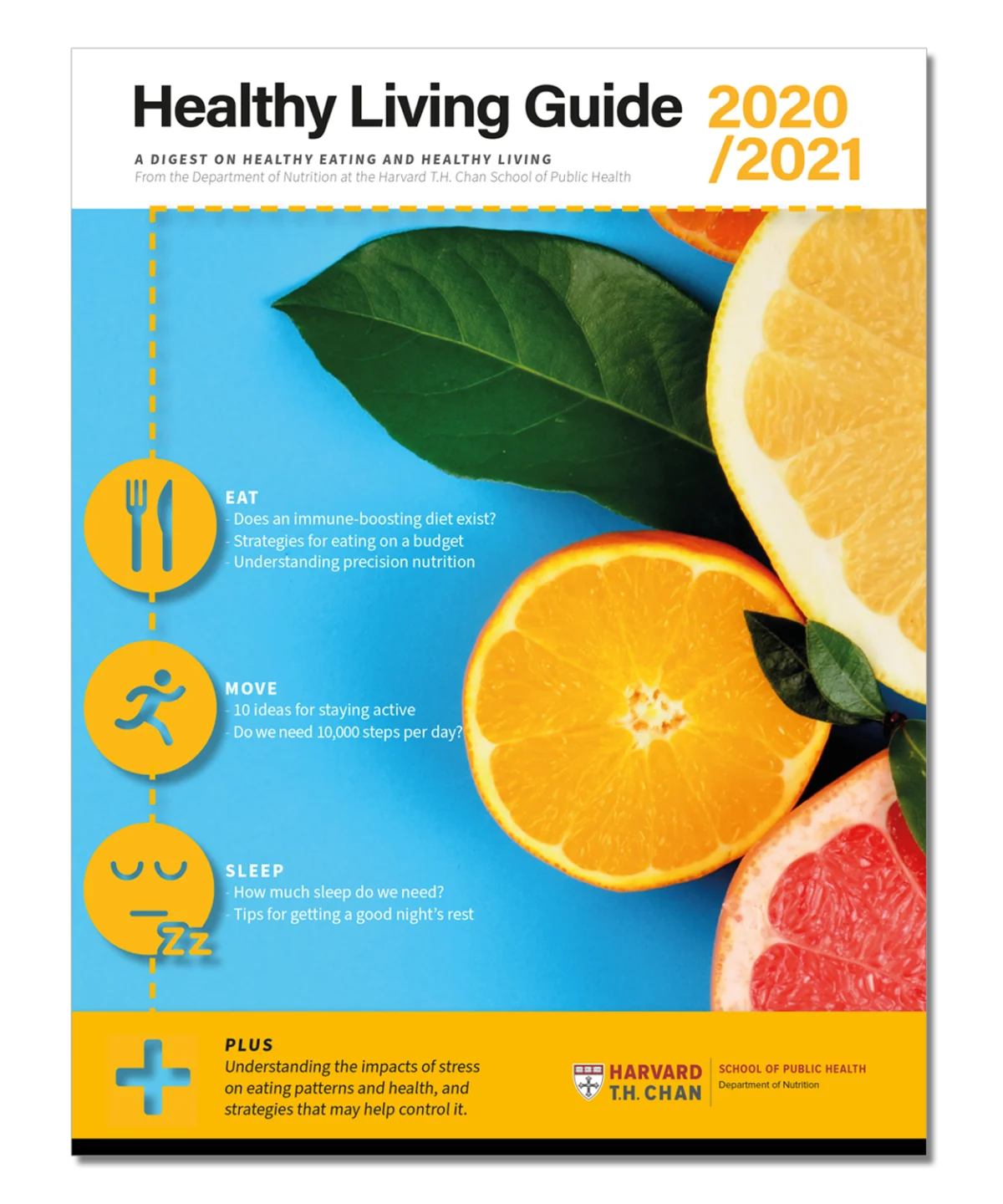
- Early 2021: The launch of the Healthy Living Guide provides a structured, evidence-based approach to wellness, offering printable tools and actionable strategies for a population experiencing "pandemic fatigue."
Supporting Data: The Science of Habitual Wellness
The link between lifestyle and disease prevention is supported by extensive longitudinal studies. Research focusing on middle-aged adults has revealed that those who successfully implement these five habits significantly reduce their risk of developing "The Big Three": cardiovascular disease, type 2 diabetes, and cancer.
The Math of Longevity
According to published findings, women who adhered to all five low-risk lifestyle factors at age 50 lived, on average, 14 years longer than those who adopted none. For men, the increase was approximately 12 years. These are not merely years added to the end of life; they are years added to the prime of life, often free from the chronic conditions that frequently lead to long-term disability and dependence on the healthcare system.
The Immune Connection
While the immune system is a complex network of cells and proteins, it requires "raw materials" to function optimally. Deficiencies in vitamins, minerals, and proteins—often exacerbated by poor diet—can weaken immune responses. Regular exercise, meanwhile, improves circulation, allowing immune cells to move more freely throughout the body, providing a secondary layer of protection against opportunistic infections.
Official Responses and Expert Guidance
Health experts emphasize that the "all-or-nothing" approach is the primary enemy of sustainable health. Dr. Walter Willett and his colleagues at the Harvard T.H. Chan School of Public Health argue that during times of crisis, the goal should be "progress, not perfection."
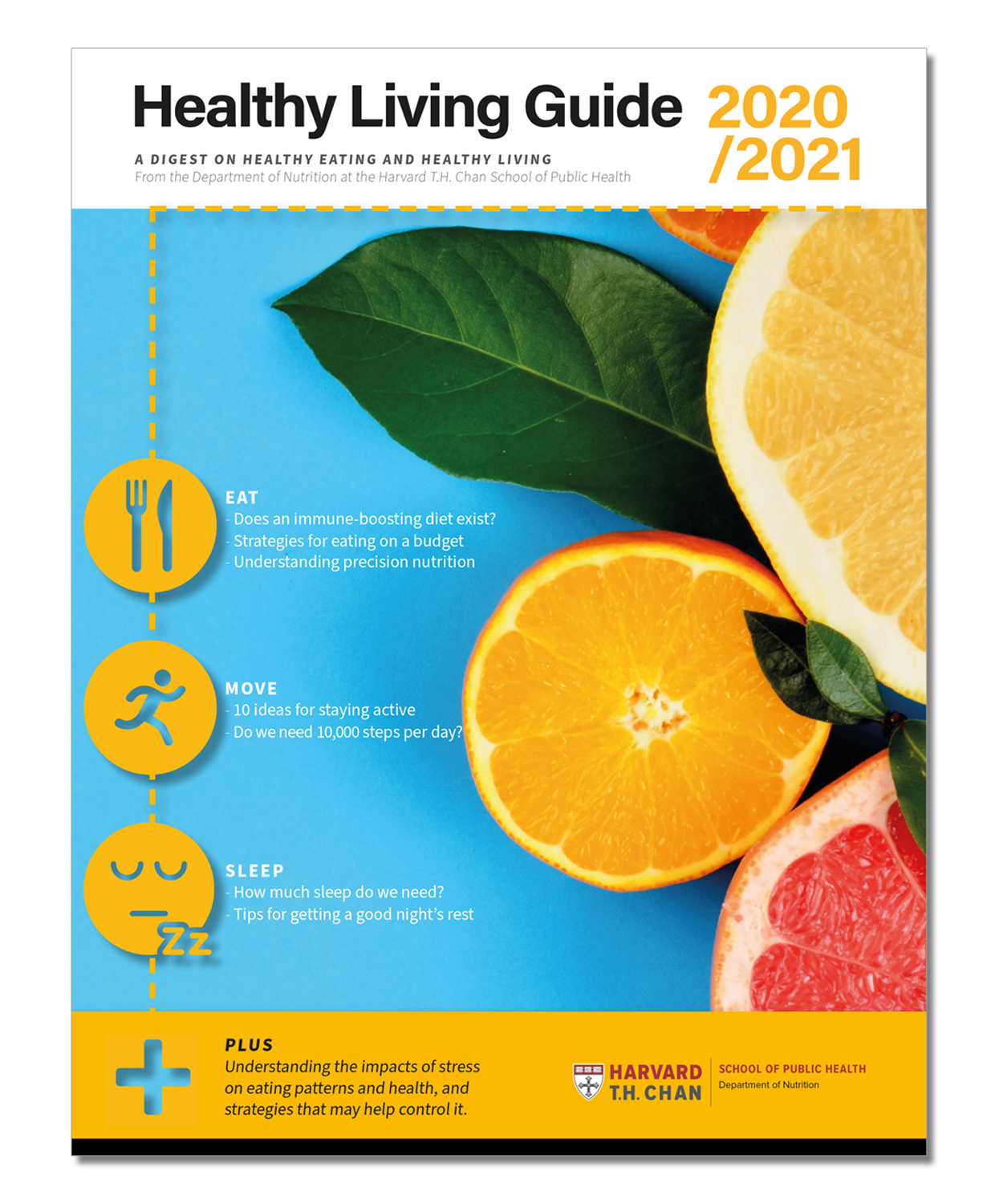
The Healthy Living Guide was designed specifically to dismantle the barriers to entry. By providing printable tip sheets, meal-planning templates, and even "Bingo" challenges, the guide aims to gamify the process of habit formation. The philosophy is simple: when the world feels chaotic, focusing on what you can control—what you eat, how you move, and how you manage your stress—provides a psychological anchor.
Addressing the Mental-Physical Nexus
The pandemic induced a "syndemic" effect, where physical health issues and psychological distress amplified one another. The official response from the medical community has shifted toward a more holistic view. A healthy lifestyle is now seen as a primary intervention for mental health, with exercise shown to be as effective as some pharmaceutical interventions in managing mild to moderate depression and anxiety.
Implications: Building a Resilient Future
The implications of these findings extend far beyond the individual. On a societal level, widespread adoption of these five habits would fundamentally reshape the economic burden of chronic disease.
Economic Impact
Chronic diseases are the leading drivers of healthcare costs. By shifting the focus to prevention, governments and health systems could potentially save billions in annual expenditures. If a significant percentage of the population reduced their risk of type 2 diabetes and heart disease, the strain on hospitals and emergency services would be dramatically reduced, creating a more robust system for handling unforeseen health crises like future pandemics.
Long-term Habit Formation
The challenge, however, remains the "intention-behavior gap." Most people know they should eat better and exercise, but the environment we live in—often termed an "obesogenic environment"—makes these choices difficult.
- Policy Implications: There is a growing call for structural changes, such as improved food labeling, better urban design to encourage walking and cycling, and workplace wellness programs that incentivize healthy behavior.
- Individual Empowerment: For the individual, the implication is one of agency. Even in a time of widespread uncertainty, the power to influence one’s health trajectory remains largely in one’s own hands.
Conclusion: A Roadmap for the Journey Ahead
As we look forward, the lessons of the last few years are clear. Health is not a destination but a practice. It requires a commitment to the mundane: eating a vegetable, taking a walk, getting enough sleep, and managing stress.
The Healthy Living Guide serves as more than just a document; it is a reminder that even during global crises, our biological imperatives remain the same. By leveraging evidence-based strategies, individuals can cultivate a lifestyle that serves as a shield against disease and a foundation for vitality.
For those looking to begin, the journey starts with a single, small change. Whether it is downloading a printable tracker, trying a new recipe, or committing to a 15-minute daily walk, the path to a decade of extra life is built one day at a time.
For further reading and to access the printable resources mentioned, please visit the Harvard Nutrition Source website. By integrating these habits, we do not just survive the era of uncertainty; we emerge from it stronger, more resilient, and better prepared for whatever the future holds.