







NEW YORK, NY — The Cancer Research Institute (CRI), the global leader in the pursuit of lifesaving immunotherapies, has officially announced the recipients of its prestigious 2026 Scientific Achievement Awards. This year’s honorees, Dr. Eric Vivier and Dr. Joseph Sun, represent the vanguard of immunological research, having fundamentally altered the scientific community’s understanding of how the human immune system identifies, tracks, and destroys malignant cells.
The awards will be formally presented during the CRI’s Annual Awards Gala, a landmark event scheduled for Tuesday, October 20, 2026, at the historic Guastavinos in New York City. As the scientific community gathers to honor these titans of research, the focus remains on the tangible impact their discoveries have had on patient outcomes and the future of cancer treatment.
The 2026 Honorees: A Legacy of Excellence
The Cancer Research Institute’s awards are among the most coveted honors in the field of oncology and immunology. Each year, the institute selects researchers whose work has moved beyond theoretical curiosity to create actionable frameworks for new medical therapies.
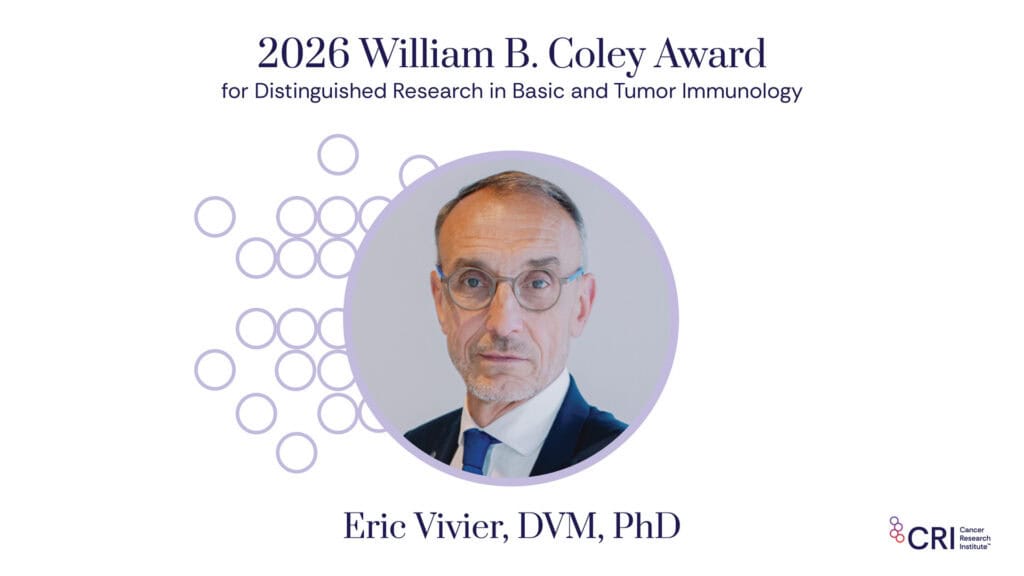
The William B. Coley Award: Dr. Eric Vivier
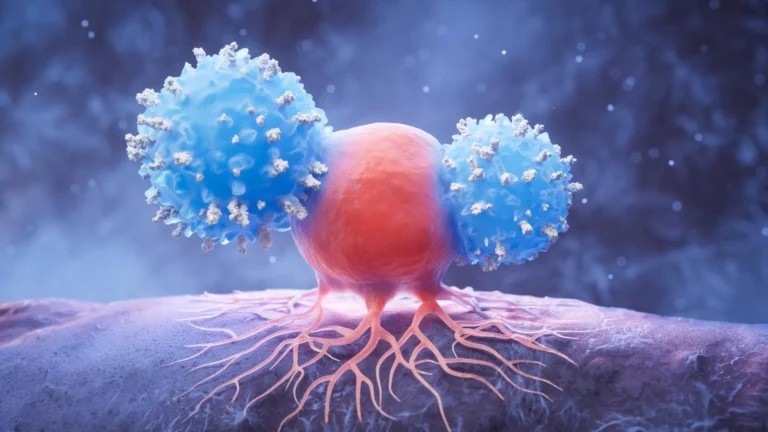
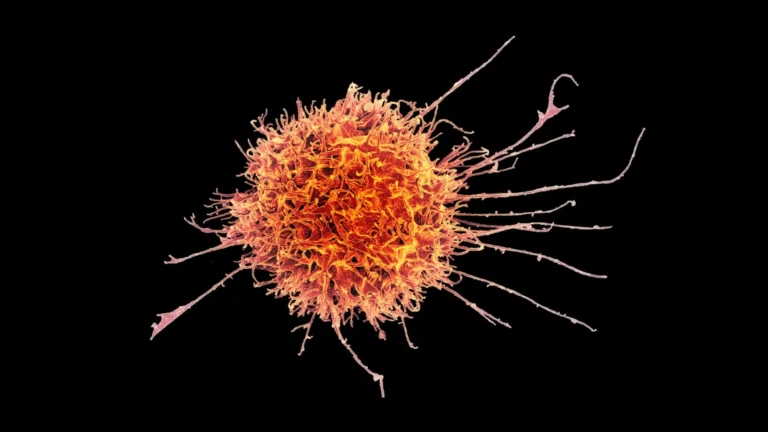
Dr. Eric Vivier, DVM, PhD, has been named the recipient of the William B. Coley Award for Distinguished Research in Basic and Tumor Immunology. This award, named in honor of the "father of cancer immunotherapy," recognizes seminal discoveries that change the course of medical science. Dr. Vivier is internationally recognized for his pioneering contributions to the field of natural killer (NK) cells and the intricacies of innate immunity.
Currently serving as a Professor of Immunology at Marseille Medical School and head of the Innate Lymphoid Cells laboratory at the Centre d’Immunologie de Marseille-Luminy, Dr. Vivier has spent decades unraveling the complex signaling pathways that dictate how immune cells recognize threats. His work has elevated the status of innate immunity, proving that it is not merely a "first-responder" system, but a sophisticated, programmable defense mechanism that can be leveraged against tumor growth.
The Frederick W. Alt Award: Dr. Joseph Sun
Dr. Joseph Sun, PhD, has been awarded the Frederick W. Alt Award for New Discoveries in Immunology. This distinction highlights the work of researchers who have fundamentally reshaped the field through transformative, often counter-intuitive findings.
A Member of the Immunology Program at Memorial Sloan Kettering Cancer Center and a Professor and Director of the Immunology and Microbial Pathogenesis Program at Weill Cornell Medical College, Dr. Sun has redefined the boundaries of immunological memory. His work challenges the historical dogma that only adaptive immune cells—specifically T and B cells—possess the ability to "remember" previous infections and mount enhanced responses upon re-exposure. By proving that NK cells also exhibit these traits, Dr. Sun has unlocked a new horizon for immunotherapy design.
A Chronology of Discovery: From Labs to Life-Saving Therapies
The journeys of Dr. Vivier and Dr. Sun illustrate the long-term commitment required to advance modern medicine. Their careers, though distinct in their focus, share a common thread of persistence in the face of established scientific dogma.
Dr. Vivier: The Architect of Innate Immunity
- Early Career: Dr. Vivier’s foundational training in veterinary medicine and immunology provided him with a unique perspective on comparative biology, which he applied to the study of NK cells.
- The Paradigm Shift: Throughout the 2000s and 2010s, Dr. Vivier’s laboratory at the Centre d’Immunologie de Marseille-Luminy began publishing data showing that NK cells were far more plastic and adaptable than previously thought.
- Clinical Translation: Recognizing the potential for his findings, Dr. Vivier co-founded Innate Pharma, a biotechnology company that has since become a global leader in the development of therapeutic antibodies targeting NK cells.
- Ongoing Recognition: Since 2015, Dr. Vivier has been consistently ranked as a "Highly Cited Researcher," a testament to the weight his publications hold in the global research community. His election to the French National Academy of Medicine and the European Molecular Biology Organization (EMBO) underscores his stature as one of Europe’s leading scientific minds.
Dr. Sun: Redefining Immunological Memory
- The Fellowship Years: Dr. Sun’s career trajectory was significantly influenced by his time as a CRI Irvington Postdoctoral Fellow (2007–2009) in the laboratory of Dr. Lewis Lanier at the University of California, San Francisco (UCSF).
- The "Aha" Moment: During this tenure, Dr. Sun published findings that fundamentally disrupted the innate/adaptive divide. He observed that NK cells, when exposed to viral antigens, underwent clonal expansion and formed long-lived memory cells—features previously reserved for the adaptive immune system.
- Modern Application: This discovery provided the theoretical basis for a new class of cancer vaccines and cell-based therapies that seek to "train" the innate immune system to sustain its attack on cancer cells over longer periods.
Supporting Data and Scientific Context
To understand the magnitude of these awards, one must examine the specific data points that elevated these scientists above their peers.
NK Cell Plasticity
Dr. Vivier’s work has successfully mapped the activation receptors on NK cells. His research demonstrated that these receptors are not static but are regulated by the microenvironment of a tumor. By identifying the inhibitory signals that tumors use to "blind" NK cells, Vivier’s team enabled the development of "checkpoint inhibitors" for NK cells, a major milestone in oncology.
Adaptive Features of Innate Cells
Dr. Sun’s research involved complex longitudinal studies of viral infections in murine models. By tagging specific NK cell populations, he demonstrated that these cells could persist for months after the initial infection, displaying a "recall" ability that was more robust than their naive counterparts. This research has been validated by several independent labs worldwide, cementing the concept of "memory NK cells" as a central pillar of modern immunology.
Official Responses: A Community Celebrates
The scientific community has reacted with overwhelming support for the 2026 choices. Dr. Lewis Lanier, a member of the CRI’s Scientific Advisory Council and the mentor who oversaw Dr. Sun’s early development, expressed immense pride in his former protégé.
"Dr. Sun has been an absolute leader in his field," Dr. Lanier stated. "I’m so happy that we’re going to acknowledge him as being one of the superstars that launched their careers with his CRI Irvington Fellowship. His ability to challenge the status quo is what makes him a truly transformative scientist."
The sentiment is echoed by the broader oncology community, who view these awards as a signal of where the next generation of cancer treatments will be born. The CRI leadership has emphasized that these awards are not just a reflection of past achievements, but a spotlight on the future.
Implications: The Future of Cancer Immunotherapy
The impact of the work conducted by Dr. Vivier and Dr. Sun cannot be overstated. As the oncology field moves toward "precision immunotherapy"—treatments tailored to the specific immune profile of a patient—the mechanisms identified by these two researchers are becoming the essential building blocks for clinical success.
1. Enhanced Cell Therapies
By leveraging Dr. Sun’s findings on NK cell memory, pharmaceutical companies are now exploring "memory-enhanced" CAR-NK cell therapies. These cells are designed to persist longer in the body, potentially reducing the need for repeated, high-dose treatments and lowering toxicity for the patient.
2. Overcoming Resistance
Dr. Vivier’s work on innate immune checkpoints is critical for patients who do not respond to traditional T-cell-based checkpoint inhibitors (like PD-1/PD-L1 therapies). By targeting the "brakes" on the innate immune system, researchers are finding ways to re-engage the immune response in "cold" tumors that were previously thought to be untreatable.
3. A Call to Action
The upcoming 2026 Awards Gala will serve as more than just a ceremony; it will be a rallying point for the global research community. Dr. Vivier is scheduled to deliver the prestigious 2026 Coley Lecture at the Society for Immunotherapy of Cancer (SITC) Annual Meeting in Phoenix, Arizona, on November 8, 2026. This lecture is expected to outline the next decade of challenges in innate immunity, providing a roadmap for young scientists entering the field.
Conclusion
As the Cancer Research Institute continues its mission to fund the most promising research in the world, the 2026 Scientific Achievement Awards stand as a tribute to the power of curiosity and rigorous, evidence-based inquiry. Through the work of Dr. Eric Vivier and Dr. Joseph Sun, the world is one step closer to a future where the immune system is fully empowered to conquer cancer, turning once-terminal diagnoses into manageable—and curable—conditions.
The gala in October will be a night to celebrate not just the individuals, but the spirit of discovery that drives the Cancer Research Institute to push the boundaries of what is medically possible. Further details regarding the gala and the scientific symposium will be released by the CRI in the coming weeks.