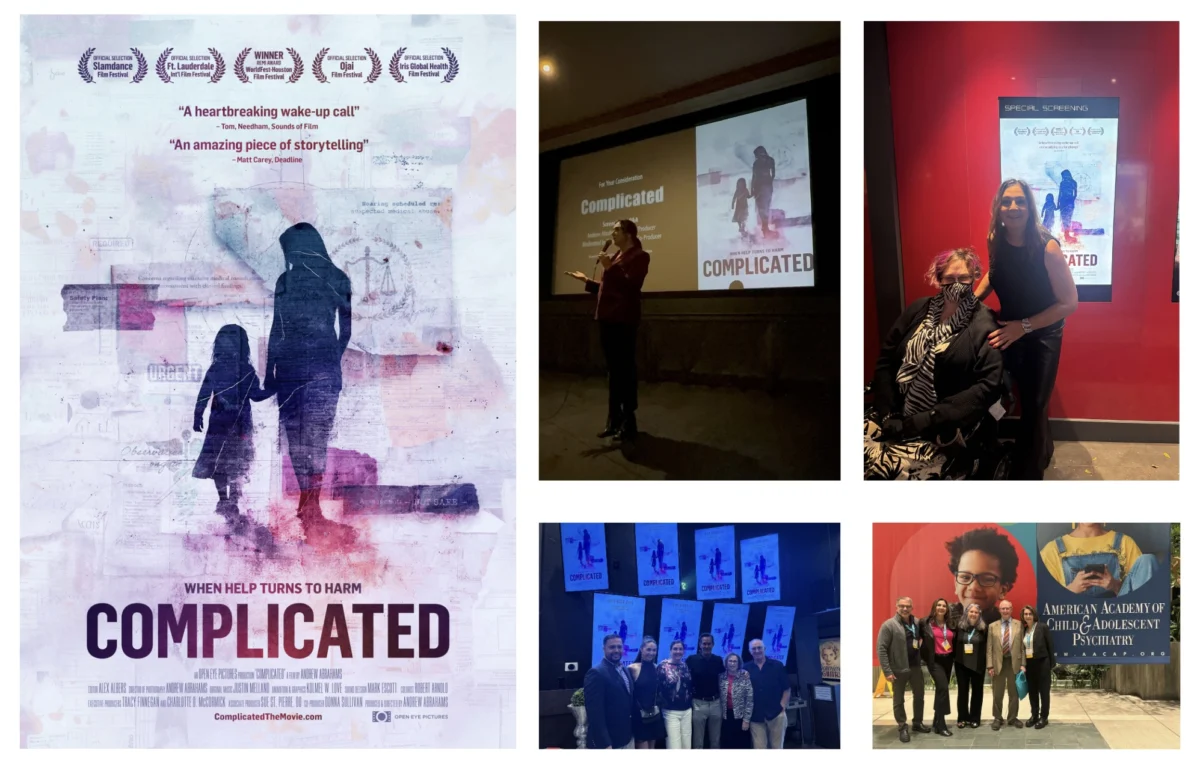
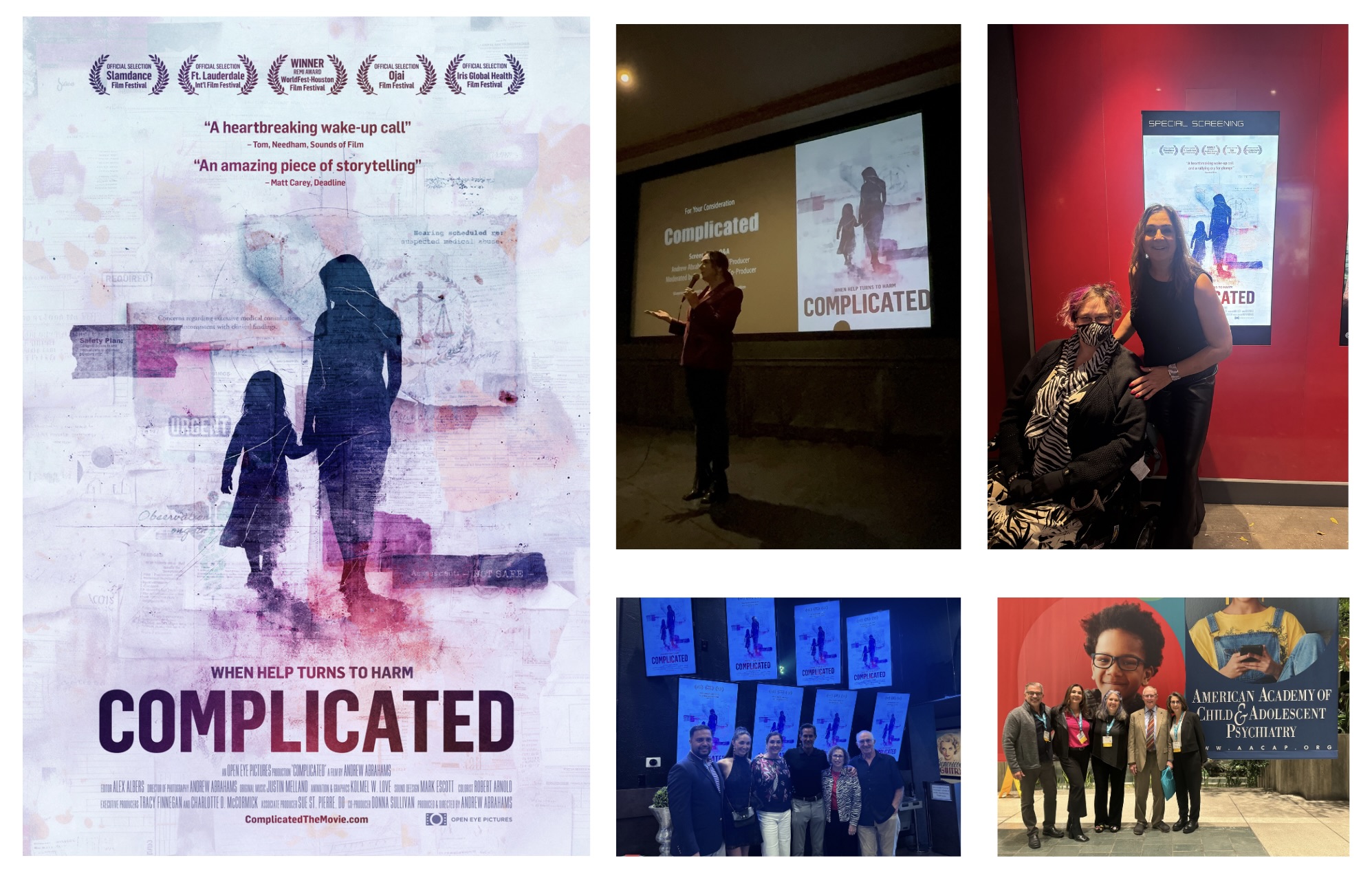
In the landscape of chronic illness advocacy, May is a month of particular significance. It is Ehlers-Danlos Syndrome (EDS) Awareness Month—a time when patients, researchers, and families converge to shine a light on a group of hereditary disorders that affect the body’s connective tissues. This year, the observance carries an unprecedented weight, underscored by the highly anticipated Apple TV release of the documentary Complicated.
Directed by Andrew Abrahams and produced by DM Sullivan, Complicated is more than a film; it is a cinematic confrontation of the systemic failures that have long plagued the EDS community. Nine years in the making, the documentary arrives at a moment of transition for the rare disease community—a moment where lived experience is finally beginning to force its way into the halls of medical academia and policy reform.
Main Facts: The Intersection of Trauma and Diagnosis
Complicated serves as a candid exploration of the "care gap"—the chasm between the physiological reality of EDS and the diagnostic limitations of modern healthcare. The film centers on families navigating the complex, often traumatic intersection of chronic illness and institutional suspicion.
A central theme of the project is the harrowing experience of families who have faced false allegations of medical abuse. In many cases, the multisystemic, "invisible" nature of EDS leads well-meaning but ill-informed medical professionals to misinterpret symptoms as signs of abuse or Munchausen syndrome by proxy. This creates a secondary crisis for families: not only must they fight for their child’s health, but they must also defend their integrity against child protective services and hospital administration.
The film provides a platform for these families, transforming individual trauma into a collective narrative that demands systemic accountability. By bringing these stories to Apple TV on May 19, the filmmakers hope to provide a level of national visibility that has historically been denied to the EDS community.
A Chronology of Advocacy: Nine Years of Evolution
The journey of Complicated mirrors the maturation of the EDS advocacy movement itself.
- 2017: The conceptual groundwork for the film began, coinciding with a period where EDS was largely misunderstood as a "rare" curiosity rather than a pervasive, under-diagnosed systemic condition.
- 2023–2025: As the film moved through production, the advocacy landscape shifted. The emergence of Long COVID created a massive, global influx of patients presenting with symptoms that mirrored the dysautonomia and connective tissue challenges long familiar to the EDS community.
- 2025–2026: The film entered the festival circuit. Screenings at medical conferences revealed a surprising openness among clinicians, many of whom admitted to a lack of foundational knowledge regarding the systemic impacts of EDS.
- May 2026: The release of Complicated coincides with the announcement of updated diagnostic criteria by the Ehlers-Danlos Society, signaling a shift toward more inclusive, symptom-based diagnosis.
Supporting Data: The Case for Systemic Reform
For years, the "lived patient experience" was relegated to the periphery of medical research. Surveys and clinical data sets often excluded the nuances of the patient journey, focusing instead on narrow genetic markers. However, the data is changing.
Recent research published over the last twelve months has begun to map the underlying mechanisms of disease progression in EDS. This validates what patients have reported for decades: that EDS is not merely a joint-laxity disorder, but a multisystem condition affecting the vascular, neurological, and immunological pathways.
The University of Virginia’s establishment of a second comprehensive EDS clinic in the United States represents a pivotal development. By integrating clinical care with ongoing research, the facility aims to close the gap between laboratory discovery and bedside treatment. Yet, the statistics remain grim for many families: the average time to diagnosis for an individual with a rare disease remains measured in years, often involving dozens of specialist visits. Complicated captures this "diagnostic odyssey," providing a visceral data point that numbers alone cannot convey.
Official Responses and the Medical Community
The reaction from healthcare providers during the film’s screening tour has been, by many accounts, transformative. DM Sullivan, the film’s producer, notes that the most common sentiment following a screening is a direct inquiry from medical staff: "How can we work together to fix this?"
This professional introspection is crucial. For many providers, the film serves as a "soft" clinical education tool. By witnessing the emotional and physical toll of the diagnostic process, doctors are encouraged to reconsider their diagnostic biases. When a physician acknowledges that they "did not fully understand what EDS was," the power dynamic in the exam room begins to shift toward partnership.
However, the medical establishment still faces the monumental task of updating institutional protocols. The Ehlers-Danlos Society’s commitment to releasing new diagnostic criteria in late 2026 is a necessary step, but one that must be supported by widespread physician training to be effective.
Implications: The Ongoing Battle for Recognition
The implications of Complicated extend far beyond the screen. For DM Sullivan, the film is a catalyst for the next phase of her work: clinical education initiatives and support for families trapped in the legal and social services system.
The irony of the current moment is deeply personal for the production team. Despite years of advocacy, the reality of the illness persists. Sullivan’s own daughter recently developed Long COVID, triggering a resurgence of EDS-related complications. This underscores a painful truth: even those at the forefront of advocacy remain vulnerable to the limitations of the current healthcare infrastructure. Navigating top-tier hospitals only to find that physicians still struggle to connect the dots between Long COVID and underlying connective tissue disorders proves that the progress made thus far is fragile.
The Path Forward
The release of Complicated on May 19 is not an endpoint; it is an intervention. The film is designed to be a tool for people in positions of power—hospital administrators, policy makers, and medical educators—to engage in the difficult, uncomfortable conversations required to reform patient care.
The goals for the coming months are clear:
- Validation: Ensuring that every person living with EDS is seen and taken seriously, regardless of the subtype.
- Education: Bridging the knowledge gap through clinical initiatives that translate patient stories into actionable medical protocols.
- Protection: Providing resources for families currently undergoing investigations by child protective services through organizations like ElevateRare.org.
Conclusion: The Real Work Begins
As May draws to a close, the EDS community stands at a crossroads. The convergence of new research, updated diagnostic criteria, and the cultural visibility provided by Complicated offers a flicker of genuine hope. Yet, as the producer’s personal experience reminds us, the "miles to go" are real and fraught with challenges.
The film asks its audience a singular, pressing question: How can we work together to fix this? The answer lies in the ongoing dialogue between the patients who live the reality of these conditions and the institutions tasked with their care. The film has opened the door to this conversation; now, the real work of transformation begins.
Call to Action:
For those affected by the intersection of medical advocacy and child welfare investigations, resources and support are available through ElevateRare.org. Additionally, the community is invited to join a special virtual screening of Complicated on Saturday, May 2nd, from 2:00 PM to 4:00 PM (EST), followed by a live meeting with the featured families. Tickets are available via Eventbrite.