










As the human body matures, the maintenance of physical stability shifts from a subconscious effort to a deliberate, essential practice. For those navigating their 60s and beyond, balance is far more than a fitness goal; it is the cornerstone of independence. While muscle mass naturally declines with age—a process known as sarcopenia—the ability to remain steady on one’s feet is the primary defense against the falls and injuries that frequently compromise the quality of life for older adults.
By integrating targeted "functional balance" exercises into a morning routine, individuals can do more than just stabilize their gait; they can reclaim the confidence necessary to climb stairs, carry groceries, and navigate the world with autonomy.
The Core of the Issue: Why Static Stretching Isn’t Enough
When most people think of balance, they envision the static, serene poses of yoga. While yoga remains an excellent vehicle for improving flexibility and mindfulness, Midlife Fitness Expert and ACE-certified trainer Heike Yates argues that for the specific challenges of aging, static poses often fall short.
"Yoga can be an excellent tool for flexibility, body awareness, and balance," says Yates, who has spent over four decades in the fitness industry. "However, these exercises focus more on functional balance—the type of balance needed for everyday activities such as walking, climbing stairs, getting out of a chair, carrying groceries, or recovering from a stumble."
Functional balance training differs from traditional fitness by recruiting multiple systems simultaneously. It requires the brain to process signals from the inner ear, the eyes, and the proprioceptors (sensory receptors in the muscles and joints) to adjust to dynamic environments. By challenging coordination, weight-shifting, and reaction time, these exercises do more than hold a pose; they train the body to handle the unpredictable nature of daily life.
The Morning Protocol: Waking Up the Nervous System
The transition from sleep to wakefulness often leaves the body feeling stiff, with neural pathways slightly sluggish. Yates suggests that a short, intentional balance routine performed shortly after waking serves as a "boot-up" sequence for the nervous system.
"A short morning balance routine helps wake up the nervous system and improve communication between the eyes, inner ear, brain, and muscles," Yates explains. "Many older adults feel stiff or less steady when they first get up, and a few minutes of balance work can help improve confidence and stability throughout the day."
Five Pillars of Functional Stability
To cultivate this stability, Yates recommends five specific movements that bridge the gap between simple exercise and life-saving functional strength.
1. Sit-to-Stand: The Foundation of Independence
Often overlooked, the ability to rise from a chair without assistance is perhaps the most significant indicator of functional independence.
- The Mechanism: This movement recruits the quadriceps, hamstrings, glutes, and core.
- The Benefit: By repeatedly engaging these muscle groups, you build the power needed for rising from sofas, toilets, or car seats.
- Execution: Begin seated with feet hip-width apart. Engage the core and drive through the heels to stand tall, then slowly lower yourself back down with control, ensuring the knees remain aligned over the toes.
2. Single-Leg Stand: Cultivating Proprioception
Walking is, in essence, a series of controlled falls from one leg to the other. Therefore, the ability to stand on one leg is a prerequisite for a confident gait.
- The Mechanism: This exercise forces the stabilizing muscles of the hips and ankles to engage to keep the torso upright.
- The Benefit: It directly translates to the mechanics of dressing, climbing stairs, and navigating uneven terrain.
- Execution: Standing near a support surface, lift one foot off the ground. Aim to maintain a tall posture for 30 seconds before switching legs.
3. Heel-to-Toe Walk: Enhancing Coordination
Commonly used in clinical balance assessments, the "tandem gait" or heel-to-toe walk is a high-level test of stability.
- The Mechanism: This movement reduces the base of support, forcing the brain to recalibrate the body’s center of gravity.
- The Benefit: It strengthens the stabilizing muscles in the lower legs and improves coordination, which is vital for preventing trips and stumbles.
- Execution: Place one foot directly in front of the other so the heel touches the toes. Walk in a straight line, focusing on a fixed point ahead to maintain focus.
4. Standing March: Training Weight Shifting
Weight shifting is a complex maneuver that many aging adults begin to lose, leading to a "shuffling" gait that increases fall risk.
- The Mechanism: Marching in place requires the body to constantly transition weight from one leg to the other while maintaining an upright core.
- The Benefit: It reinforces the rhythm of walking and strengthens the hip flexors, which helps in lifting the feet high enough to clear thresholds and rugs.
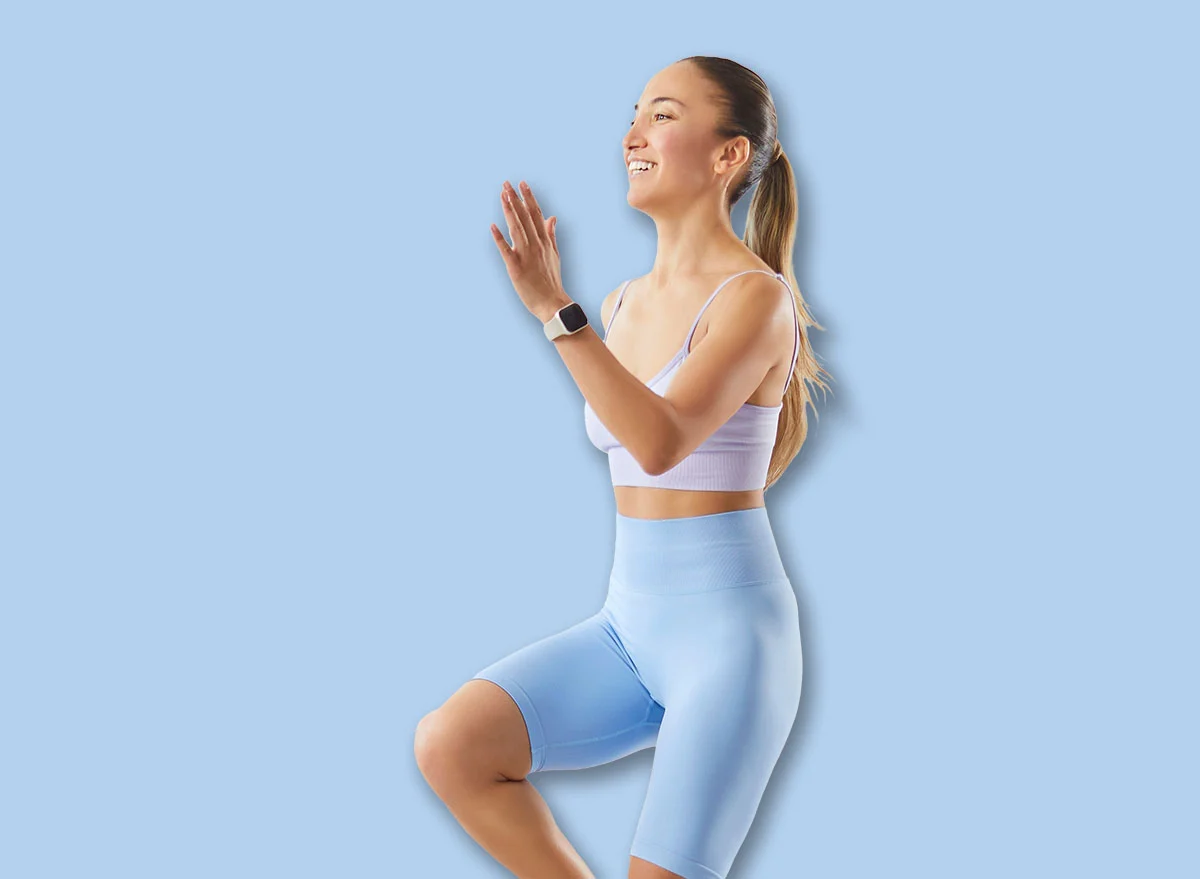
- Execution: Stand tall and lift one knee toward the chest, then alternate with the other leg, maintaining a rhythmic pace.
5. Clock Reach: Multi-Directional Stability
Life does not happen in a straight line. We reach for items on shelves, turn to speak to others, and adjust to sudden movements.
- The Mechanism: This exercise requires the body to maintain stability while the center of gravity is intentionally disrupted in various directions.
- The Benefit: It improves reaction time and the ability to regain balance if you are pushed or start to trip.
- Execution: While standing on one leg, reach the other foot out to the "12 o’clock," "3 o’clock," and "6 o’clock" positions, tapping the floor lightly before returning to the center.
The Data: Why This Matters for Longevity
The implications of balance training extend far beyond preventing a singular fall. According to data from the Centers for Disease Control and Prevention (CDC), falls are the leading cause of injury-related death among adults aged 65 and older. The psychological impact—known as "fear of falling"—often leads to self-imposed limitations on activity. This reduced activity leads to further muscle atrophy, creating a dangerous feedback loop.
By prioritizing these exercises, adults can break this cycle. Research indicates that resistance and balance training not only preserves muscle mass but also improves bone density, further protecting the body against the consequences of an accidental fall.
Official Responses and Clinical Perspectives
Medical professionals increasingly emphasize that "exercise as medicine" is the most effective intervention for aging populations. While clinical physical therapy is often prescribed post-injury, experts like Heike Yates advocate for a proactive approach.
"You don’t wait for a fall to happen before you train your body to avoid it," Yates notes. The shift from a reactive mindset to a preventative one is critical. When an individual engages in these five movements daily, they are training their brain to process proprioceptive data faster. This improved reaction time is often the difference between a stumble and a full-blown emergency.
Implications for Daily Living
The goal of these exercises is not to turn every senior into an athlete, but to ensure that the "activities of daily living" (ADLs) remain manageable. When an individual feels stable, their world expands. They are more likely to participate in social outings, walk in the park, and travel.
The confidence that comes with physical stability is a psychological force multiplier. When you know your body is capable of recovering from a misstep, you are less anxious in public spaces. This confidence promotes a more active lifestyle, which in turn reinforces the very muscle and bone strength required to stay mobile.
In conclusion, the path to healthy aging is built on a foundation of daily habits. By carving out just a few minutes each morning to engage the core, test the balance, and challenge the coordination of the limbs, individuals can effectively "age-proof" their movement. Stability is not a static state—it is a skill, and like any other, it thrives with consistency and intent. Whether you are 60, 70, or beyond, the journey to a more confident, independent life begins with the simple decision to stand tall and move with purpose.