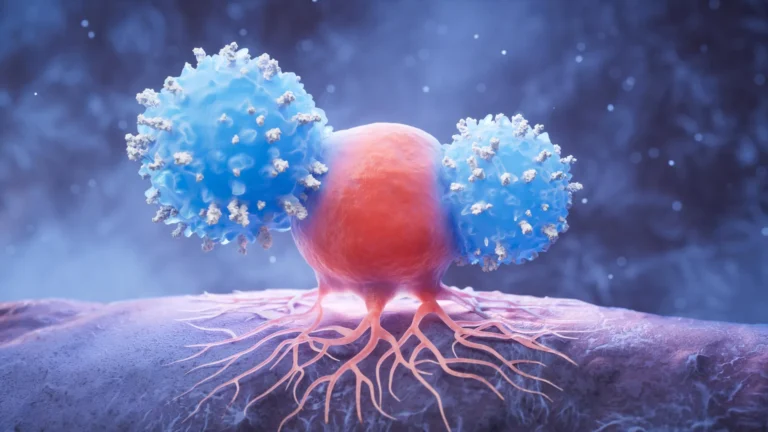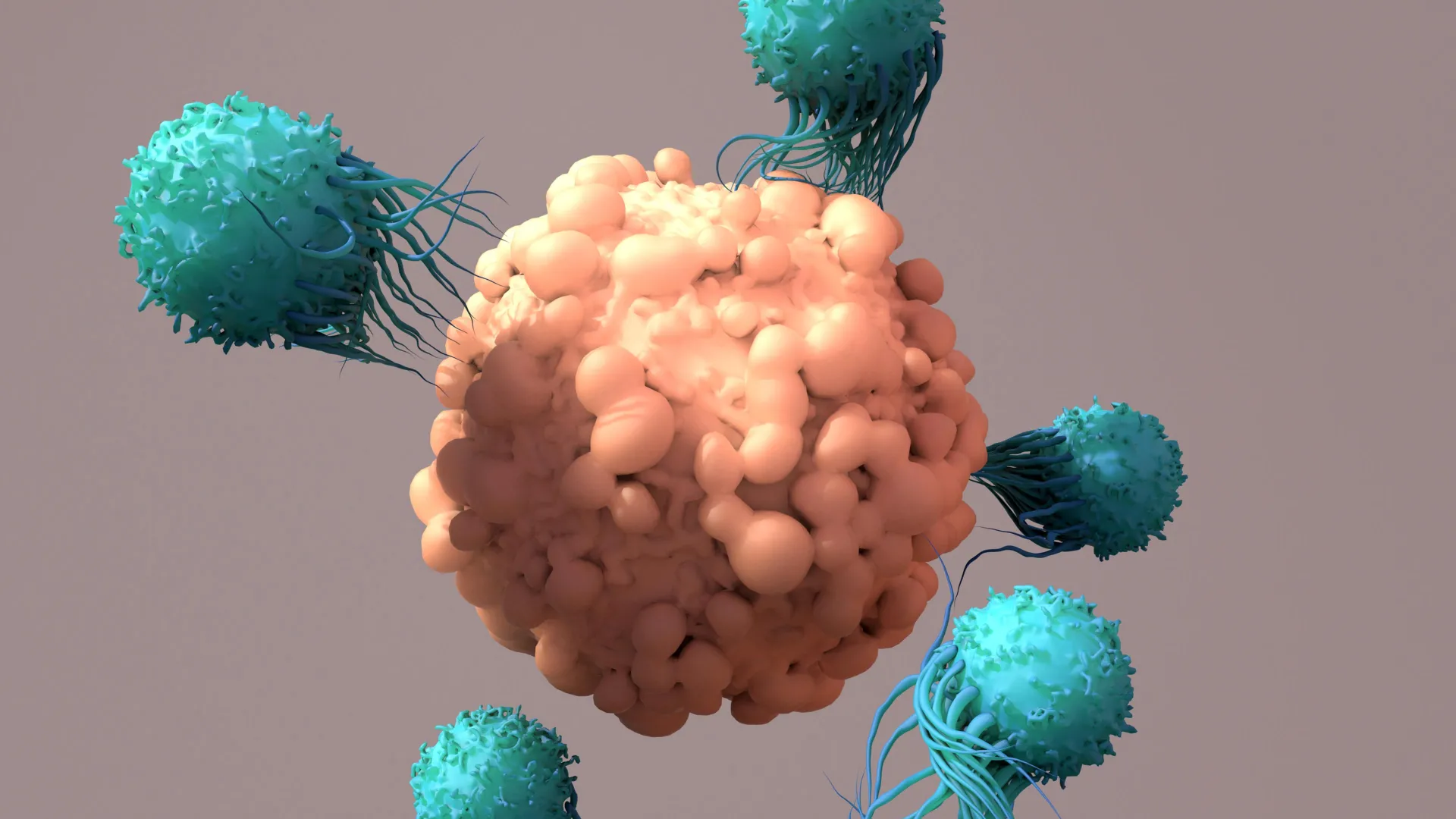
In the rapidly evolving landscape of immuno-oncology, Chimeric Antigen Receptor (CAR) T-cell therapy stands as a pinnacle of precision medicine. By re-engineering a patient’s own immune cells to hunt down malignant invaders, this therapy has achieved what once seemed impossible: the durable remission of certain aggressive blood cancers. Yet, a persistent "glass ceiling" has limited its success: the phenomenon of cellular exhaustion, particularly when confronted by the hostile, complex microenvironments of solid tumors.
Now, a collaborative breakthrough by researchers at Columbia University and the University Hospital Tübingen offers a new roadmap to overcome this hurdle. By identifying and disabling a specific protein known as NFIL3, scientists have successfully "reprogrammed" CAR T cells to maintain their potency for longer periods. This discovery, recently published in the journal Cancer Discovery, could fundamentally shift the paradigm of how we treat solid tumors, moving the field closer to a new generation of more resilient cancer therapies.
The Core Discovery: Unmasking the Exhaustion Factor
The journey toward this discovery began with a fundamental question: Why do CAR T cells, which perform with such ferocity against leukemia or lymphoma, essentially "burn out" when faced with solid tumors?
To answer this, an international research team led by the pioneering Prof. Michel Sadelain, MD, PhD, of Columbia University, and Prof. Judith Feucht, MD, of the University Hospital Tübingen, launched a massive, high-throughput genetic screen. The team analyzed approximately 400 transcription factors—the regulatory proteins that act as master switches for gene expression within cells—to see which ones influenced the longevity and functionality of CAR T cells.
Their systematic search identified NFIL3 as a critical culprit. When CAR T cells are introduced to the taxing environment of a tumor, NFIL3 appears to be upregulated, triggering a downward spiral into "exhaustion"—a state where the immune cells lose their metabolic vigor, stop proliferating, and eventually fail to recognize or attack the cancer.
"Switching off NFIL3 could be a decisive step toward significantly improving the long-term potency of CAR T cells," explains Prof. Feucht. By using CRISPR/Cas9, the revolutionary "genetic scissors" technology, the team successfully knocked out the gene responsible for NFIL3 expression. The result was a dramatic transformation: the engineered cells did not just survive; they thrived, maintaining a high level of anti-tumor activity even in conditions that would typically lead to total immune cell collapse.
Chronology: From Bench-to-Bedside Strategy
The trajectory of this research reflects the modern "bench-to-bedside" philosophy that defines the most impactful oncology research today.
- Early Phase: The Search for Genetic Switches. The collaboration kicked off with the massive screening project to identify transcription factors that limit the durability of immune responses. The scale of the project—analyzing 400 individual factors—demonstrates the rigorous nature of the team’s approach.
- The Identification Phase: After isolating NFIL3 as a key contributor to T-cell exhaustion, the team moved to validate its role. They confirmed that NFIL3 expression is not merely a bystander effect but a primary driver of the exhaustion program.
- The CRISPR Intervention: Utilizing CRISPR/Cas9, the researchers performed a precise, surgical edit to remove NFIL3 from the CAR T cells. This established a functional link: without NFIL3, the cells’ genetic profile remained closer to that of a "memory" T cell, which is more capable of long-term survival and rapid expansion upon re-encountering tumor antigens.
- The Validation Phase: The researchers moved into animal models to test the performance of the "NFIL3-deficient" CAR T cells against aggressive tumor models.
- Future Translation: Currently, the team is working on the preclinical data required to move toward human clinical trials. This phase involves rigorous safety testing and refining the gene-editing protocols to ensure they are scalable and safe for human application.
Supporting Data: Animal Studies and Therapeutic Efficacy
The efficacy of the NFIL3-knockout approach was not just theoretical. In several mouse models, the modified CAR T cells displayed a clear, measurable advantage over their conventional counterparts.
Key Findings from the Study:
- Prolonged Survival: Mice treated with the modified cells showed significantly higher survival rates compared to those receiving standard CAR T therapy.
- Enhanced Proliferation: The NFIL3-deficient cells were found to divide more efficiently within the tumor environment. This is critical, as one of the primary reasons CAR T cells fail is their inability to multiply sufficiently to overcome the tumor’s physical and chemical defenses.
- Superior Tumor Control: Imaging and histological studies revealed that the modified cells maintained a stronger, more sustained assault on the tumor, successfully penetrating deeper into the tumor core where standard cells often failed to migrate.
These data points provide a compelling argument for the role of NFIL3 in limiting therapy. By removing the "brake" that the NFIL3 protein applies to T-cell metabolism and effector function, the researchers have effectively created a more robust, battle-hardened version of the patient’s own immune system.
Official Responses and Expert Perspectives
The academic community has received the findings with significant enthusiasm, noting that the combination of Prof. Sadelain’s history in CAR T development and Prof. Feucht’s clinical experience creates a unique synergy.
"Our goal is to improve the effectiveness of CAR T cells in solid tumors as well," says Celina May, co-first author of the study and a researcher in Prof. Feucht’s group at the University Hospital Tübingen. "We expect this to open up new possibilities in the treatment of cancer patients."
Prof. Feucht, who bridges the gap between the laboratory and the bedside through her work at the iFIT (Image Guided and Functionally Instructed Tumor Therapies) Cluster of Excellence, emphasizes that this is only the beginning. Her dual role—treating children and adolescents with cancer while leading high-level research—provides a sobering and necessary perspective on the urgency of the work. For clinicians like Feucht, the research is not just about data; it is about providing options for patients who currently have none.
The research highlights a shift in focus from "increasing the dose" to "improving the quality" of immune cells. By modulating the internal transcription profile of the cells, the field is moving toward a more sophisticated level of control over the immune response.
Implications: The Future of Solid Tumor Therapy
The implications of this discovery are vast. While CAR T-cell therapy has revolutionized the treatment of hematologic malignancies (blood cancers), solid tumors—which comprise the vast majority of cancer cases—have remained stubbornly resistant. Solid tumors create a "microenvironment" that is often acidic, nutrient-deprived, and filled with suppressive signals designed to turn off the immune system.
By disabling NFIL3, the researchers have effectively made the CAR T cells "deaf" to these suppressive signals. If these findings hold true in human clinical trials, the implications include:
- Expanding the Reach of CAR T: Patients with pancreatic, lung, and ovarian cancers—all notoriously difficult to treat with current immunotherapies—could see new therapeutic avenues open up.
- Reduced Costs and Increased Efficacy: If one dose of "super-charged" CAR T cells can persist longer and clear more tumor burden, it could reduce the need for multiple cycles of treatment, lowering the physical and financial toll on patients.
- Combination Strategies: This discovery could be combined with other emerging technologies, such as checkpoint inhibitors or tumor-microenvironment-modifying drugs, to create a multi-pronged attack on cancer.
A Measured Outlook
Despite the optimism, the research team is careful to note that moving from the laboratory to the hospital is a complex process. The use of CRISPR/Cas9 in human patients requires stringent regulatory oversight to ensure the safety of the edits and the long-term health of the patients. The next steps will involve rigorous phase I trials to determine if the benefits observed in mice can be safely replicated in humans.
However, the discovery remains a watershed moment. For years, the field has struggled with the "exhaustion" problem as if it were an inevitable byproduct of T-cell activation. This study demonstrates that exhaustion is a biologically regulated process that can be interrupted. By targeting the transcription factors that govern cell fate, we are entering an era where we can program the immune system to match the complexity and persistence of the cancers it is meant to defeat.
As Prof. Feucht and her colleagues continue their work within the iFIT cluster, the medical community remains hopeful. If this strategy can be successfully translated, the dream of treating solid tumors with the same efficacy as leukemia may soon become a reality, offering new hope to thousands of patients worldwide.