










For decades, the field of immunology has been guided by a clear, binary architectural rule: the immune system’s “GPS” system for identifying threats relies on two distinct lanes. Major Histocompatibility Complex (MHC) class I molecules were the exclusive scouts for CD8+ "killer" T cells, while MHC class II molecules were the domain of CD4+ "helper" T cells. This division of labor has been the bedrock upon which modern cancer immunotherapy and transplantation medicine were built.
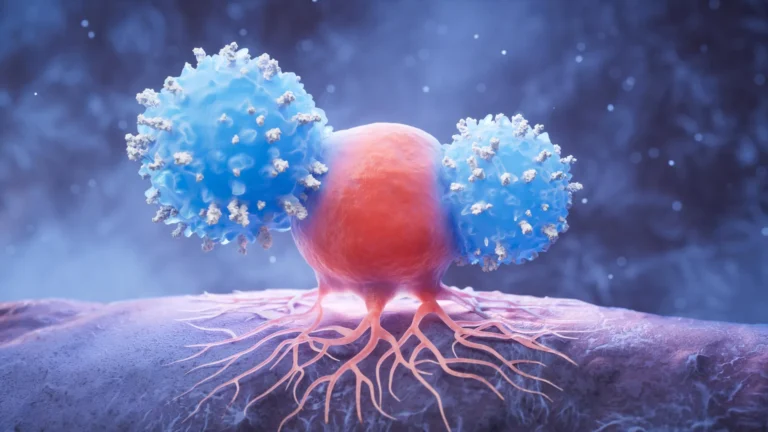
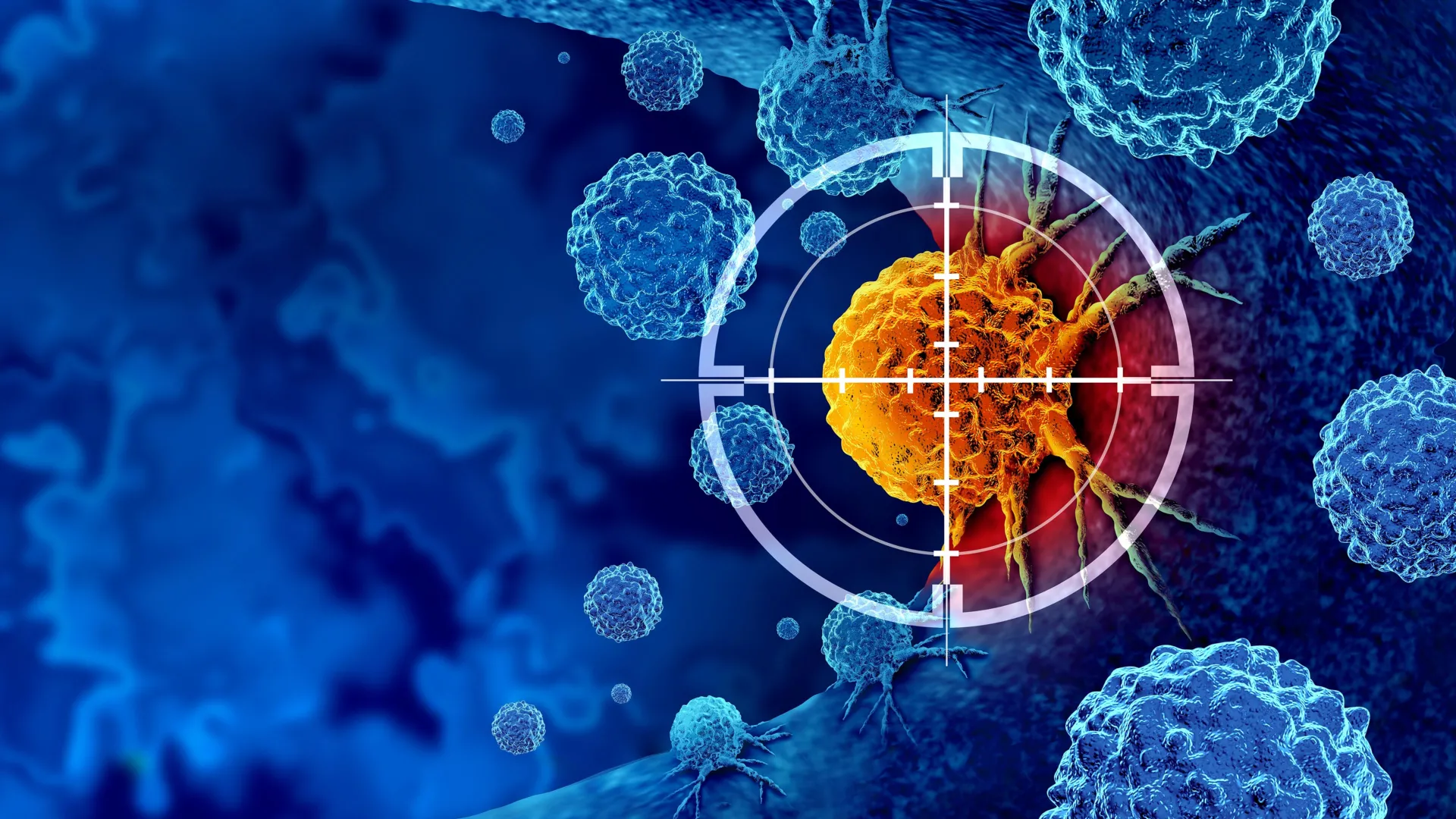
However, a groundbreaking study published in the journal Nature Immunology has effectively shattered this long-standing paradigm. A collaborative research effort led by Dr. Pavan Reddy of the Baylor College of Medicine (BCM), alongside Dr. Arul Chinnaiyan and Dr. Marcin Cieslik of the University of Michigan Rogel Cancer Center, has revealed an unexpected, cross-functional mechanism. Their findings suggest that cancer cells attempting to "hide" from the immune system by discarding MHC class I molecules may be inadvertently walking into a lethal trap set by CD4+ T cells.
This discovery not only forces a rewrite of immunology textbooks but offers a transformative roadmap for treating tumors that have previously proven resistant to conventional therapies.
The Chronology of a Scientific Breakthrough
The path to this discovery was neither sudden nor straightforward; it was the result of a multi-year, multi-institutional effort that combined computational biology with rigorous clinical modeling.
The Inception of the Hypothesis
The project began as an inquiry into the "escape mechanisms" of cancer. Scientists have long observed that tumors are masters of deception, frequently downregulating or entirely eliminating MHC class I molecules to become invisible to CD8+ cytotoxic T cells. Traditionally, this was viewed as a total victory for the cancer cell—an effective way to evade immune surveillance. However, the research team questioned whether this adaptation came at a hidden cost.
Years of Collaborative Research
The effort was a heavy lift, requiring the integration of transcriptomic analysis, functional laboratory experiments, and clinical data validation. Key contributors, including graduate students Emma Lauder and Meng-Chih Wu (BCM) and Mahnoor Gondal (University of Michigan), spent years meticulously mapping the interactions between T cell subsets and target cells.
By employing advanced transcriptomic profiling, the team was able to observe the behavior of cells in real-time under various immunological pressures. As they moved from mouse models to human tissue samples, the data began to show a consistent, undeniable pattern: when MHC class I was removed, the cancer cells did not become safer; they became hypersensitive to an alternative mode of destruction.
Supporting Data: The Ferroptosis Connection
The mechanism discovered by the team centers on a process known as ferroptosis. Unlike apoptosis—the "programmed cell death" typically triggered by immune cells—ferroptosis is a form of cell death driven by iron-dependent oxidative stress.
The Mechanism of Death
The researchers discovered that when cancer cells downregulate MHC class I, they lose their ability to ward off oxidative damage. CD4+ T cells, which were previously thought to be primarily regulatory or signaling cells, were found to actively drive this ferroptotic process. In effect, the CD4+ T cells act as "executioners" that exploit the metabolic vulnerability created by the loss of MHC class I.
Evidence from the Bench
Using sophisticated functional studies, the team demonstrated that in both mouse models and human-derived samples, the absence of MHC class I led to a significant increase in tumor cell susceptibility to CD4+ T cell-mediated ferroptosis. This is a crucial finding because it suggests that the "evasion" strategy employed by tumors is a double-edged sword. While the tumor might successfully avoid the "killer" CD8+ T cells, it exposes its flank to a secondary, equally lethal attack by CD4+ T cells.
Clinical Validation
To ensure the findings weren’t limited to the controlled environment of a laboratory, the team at the University of Michigan, led by Dr. Chinnaiyan, analyzed massive datasets from patients who had received checkpoint inhibitor therapies. The clinical correlation was striking: patients whose tumors displayed specific transcriptomic signatures associated with this mechanism showed distinct outcomes, validating the hypothesis that this immunological pathway is active and relevant in human cancer patients.
Official Responses and Expert Perspectives
The lead researchers have emphasized that this is a "paradigm shift" that necessitates a re-evaluation of how we categorize T cell functions.
Dr. Pavan Reddy, director of the Dan L Duncan Comprehensive Cancer Center at BCM, characterized the study as a fundamental change in our understanding of immune regulation. "Our work, if further validated, will have implications for T cell-mediated immune responses beyond cancer and transplant immunology," Dr. Reddy stated.
The collaborative nature of the study—spanning BCM, the University of Michigan, and the Howard Hughes Medical Institute—reflects the complexity of the problem. By bringing together experts in pathology, oncology, and immunology, the team was able to bridge the gap between abstract molecular interaction and tangible clinical outcomes. The researchers, including Akira Yamamoto, Laure Maneix, Dongchang Zhao, and Yaping Sun, underscored that this discovery was only possible through a cross-disciplinary synthesis of data that would have been inaccessible to any single laboratory.
Implications for Modern Medicine
The implications of this discovery are twofold: they reach into the heart of oncology and the delicate world of bone marrow transplantation.
Redefining Cancer Immunotherapy
The most immediate application is in the development of new immunotherapies. Many patients currently do not respond to existing checkpoint inhibitors because their tumors have developed resistance mechanisms, specifically the loss of MHC class I. If clinicians can identify tumors that have opted for this "MHC-loss" strategy, they could theoretically pivot to treatments that harness CD4+ T cell-mediated ferroptosis.
This would represent a major leap forward: moving from a "one-size-fits-all" approach to a precision-medicine model where the tumor’s own resistance strategy is used against it.
Graft-Versus-Host Disease (GVHD)
Beyond oncology, the study’s findings shed light on graft-versus-host disease (GVHD), a devastating condition where transplanted immune cells attack the recipient’s healthy tissue. By understanding that MHC class I plays a broader role in regulating T cell-mediated damage, researchers may be able to develop pharmacological interventions to "turn down" this ferroptotic response in patients undergoing bone marrow transplants. This could significantly reduce the mortality rates associated with transplantation and improve the long-term health of patients.
Looking Toward the Future: The New Frontier
The research published in Nature Immunology is not just an incremental step forward; it is a foundational change that invites the scientific community to look at the immune system as a more fluid and interconnected network than previously assumed.
Developing Novel Strategies
The researchers are already looking toward the next phase: translating these findings into clinical therapies. The goal is to leverage the "beneficial side of immunity" to destroy tumors while simultaneously finding ways to "mitigate unwanted immune responses" in cases like GVHD or autoimmune conditions.
Addressing Unanswered Questions
While the discovery is monumental, it also opens new avenues of inquiry. Researchers now face the challenge of identifying the exact molecular triggers that cause CD4+ T cells to initiate ferroptosis. Furthermore, understanding why some tissues are more sensitive to this process than others will be vital for ensuring that new therapies do not cause systemic damage to the patient.
Conclusion
As the scientific community digests these findings, one thing is clear: the wall between CD8+ and CD4+ T cell pathways has been breached. By proving that MHC class I is not just a shield for the cell but a key player in the complex dance of immune destruction, Dr. Reddy, Dr. Chinnaiyan, and their colleagues have provided the field with a new, powerful tool.
The cancer cells that once "hid" from the immune system may find that their invisibility cloak is actually a target. As research progresses, the ability to manipulate this newfound vulnerability could usher in a new era of cancer care, one where the immune system’s own sophistication is the key to finally overcoming the most resistant of diseases.
Contributors and Acknowledgments:
The study was authored by a broad team including Emma Lauder, Mahnoor Gondal, Meng-Chih Wu, Akira Yamamoto, Laure Maneix, Dongchang Zhao, and Yaping Sun, representing the Baylor College of Medicine, the University of Michigan, and the Howard Hughes Medical Institute.
Financial support for this extensive research was provided by the National Institutes of Health (NIH) through grants P01CA039542, P01HL149633, R01HL152605, R01CA217156, R01AI165563, CA125123, OD036336, and OD038251, alongside support from the Cancer Prevention and Research Institute of Texas (grants RR220033 and RP240432).