In a significant move to modernize patient flow and enhance clinical safety, NHS Greater Glasgow and Clyde (NHSGGC) has initiated the comprehensive deployment of a digital triage system across its emergency departments. This strategic implementation, forming a cornerstone of the health board’s ambitious "Virtual Hospital" programme, marks a departure from traditional manual intake processes, aiming to provide clinicians with real-time, data-driven insights into the needs of every patient walking through the doors of an Accident and Emergency (A&E) department.
By integrating the "eTriage" platform—developed by digital health specialists eConsult—NHSGGC is seeking to optimize the critical "first contact" phase of emergency care. As healthcare systems across the United Kingdom grapple with rising demand and the persistent challenge of waiting times, this technology is designed to act as a force multiplier for clinical teams, ensuring that the most critically ill patients are identified and prioritized with unprecedented speed.
The Mechanics of Digital Intake: How eTriage Works
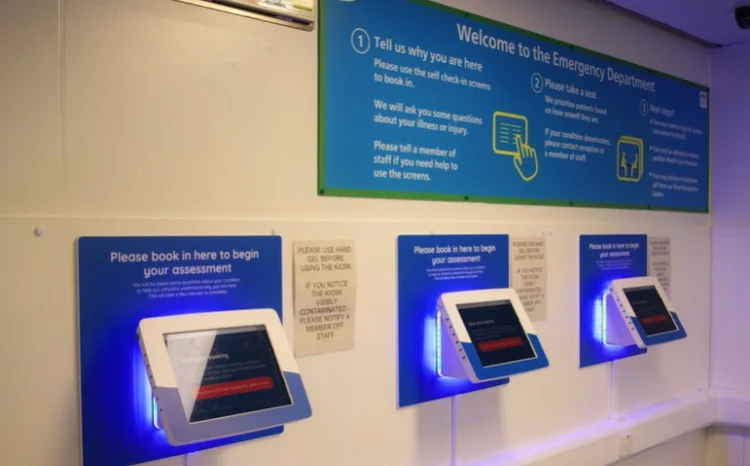
The digital transformation hinges on a seamless, patient-facing kiosk system installed at the entry points of A&E departments. Upon arrival, patients are invited to check in via a touchscreen interface. Rather than waiting for a manual intake interview, the patient proceeds to answer a series of clinically validated questions tailored to their specific symptoms.
This process is not merely an administrative hurdle; it is a clinical assessment tool. Once the patient completes the questionnaire, the data is encrypted and transmitted instantly to the clinical team. Within minutes, doctors and nurses—even those busy with other patients—gain access to a comprehensive digital summary of the patient’s condition.
This "front-loading" of information allows for a more nuanced triage process. Before a clinician has even called the patient’s name, they are already equipped with a clinical snapshot that informs their decision-making. This visibility is designed to reduce the "black box" effect of a crowded waiting room, where staff previously had little information about the condition of patients until they were physically assessed in a clinical room.
Chronology of the Rollout
The deployment of eTriage across the NHSGGC estate has been structured as a rapid, phased integration to ensure stability and staff familiarization. The timeline for the 2026 rollout is as follows:
- June 24, 2026: The pilot phase commenced at the Queen Elizabeth University Hospital, one of the largest and busiest acute hospitals in the UK.
- June 30, 2026: The system expanded to the Royal Alexandra Hospital, further embedding the technology into the region’s emergency infrastructure.
- Early July 2026: The Glasgow Royal Infirmary is scheduled to go live with the system, bringing the technology to the heart of the city’s emergency care network.
- Mid-July 2026: The rollout concludes for this phase at the Inverclyde Royal Hospital, completing the primary deployment across the board’s major acute sites.
This aggressive timeline reflects the urgency with which NHSGGC is approaching the goal of reducing patient backlogs and improving operational efficiency.
Supporting Data and Precedent: The Lanarkshire Model
NHSGGC is not acting in a vacuum. The decision to adopt eTriage follows the successful implementation of the system by NHS Lanarkshire in the spring of 2025. When NHS Lanarkshire launched the technology at University Hospital Monklands, it was met with positive feedback from both staff and patients. The success of that pilot led to an expansion into University Hospital Wishaw and University Hospital Hairmyres.
Data from the Lanarkshire experience served as a "proof of concept" for the wider Scottish health service. By analyzing the time saved during the intake process and the accuracy of initial clinical prioritization, health boards have been able to quantify the benefit of digitizing the front door. These metrics, which highlight improved "door-to-decision" times, provided the evidence base necessary for NHSGGC to secure the investment and organizational support required for their own rollout.
Official Perspectives: Aligning Technology with Clinical Care
The implementation of such a significant change requires a cultural shift within the hospital, as well as a technical one. Lorraine Cowie, the Director of Interface at NHSGGC, has been a leading voice in articulating the necessity of this transition.
"Introducing digital triage across our A&E departments is an important step in improving how quickly and safely we assess patients," Cowie stated. "By giving clinicians immediate access to high-quality information, we can prioritize those in most urgent need and reduce delays."
However, Cowie is careful to emphasize that the technology is a tool for clinicians, not a replacement for them. "Patient safety will always remain our priority, and anyone who needs emergency care will continue to receive it," she noted.
A critical component of her message is the role of the "Virtual Hospital" programme. The vision is not just to speed up A&E, but to redefine what "emergency care" looks like. By identifying patients early, the system can help navigate individuals away from the hospital setting if it is deemed safe. "This means A&E can focus on the most serious conditions," Cowie explained, "while other patients are seen more quickly in the right setting."
The Virtual Hospital Programme: Implications for the Future
The eTriage rollout is merely one piece of the broader "Virtual Hospital" strategy. The core objective of this programme is to move beyond the traditional model of "hospital-as-the-only-option" for urgent care. As the programme matures, the information gathered during the digital triage phase will serve as a gateway to alternative care pathways.
Redefining the Care Pathway
In the near future, the system will be capable of directing patients toward:
- Virtual Consultations: Patients with non-critical but urgent needs may be offered a remote consultation with a specialist, bypassing the need for a physical wait.
- Booked Appointments: Instead of waiting in a crowded emergency department, a patient might be directed to a community urgent care centre at a specific, scheduled time.
- Clinical Advice: For minor ailments, the system may provide immediate, evidence-based guidance on self-care, safely diverting the patient from the acute pathway.
Managing Accessibility and Inclusivity
A common critique of digitizing essential public services is the risk of alienating vulnerable populations. NHSGGC has addressed these concerns by maintaining traditional reception services. The digital kiosk is an optional efficiency tool, not a mandatory barrier. For patients with accessibility needs, language barriers, or those who simply lack digital confidence, the traditional, human-led reception desk remains fully operational. This hybrid approach ensures that the drive for technological efficiency does not come at the cost of equity or accessibility.
Clinical Implications: Real-Time Visibility
For the medical staff on the floor, the implications are profound. Traditionally, an emergency doctor’s awareness of the waiting room was limited to the triage nurse’s brief notes or a visual check of the queue. With eTriage, there is a "real-time dashboard" effect.
Clinicians can view the entire waiting room’s clinical risk profile. If there is a sudden influx of patients with symptoms that suggest a higher acuity, the department can adjust its resources accordingly—perhaps calling in more staff or moving patients to specialized assessment areas more rapidly. This visibility reduces the risk of a "hidden" emergency, where a patient’s condition deteriorates while they are waiting to be seen.
Furthermore, the consistency of the digital intake ensures that every patient is asked the same core set of clinical questions. This reduces the variability that can sometimes occur in manual triage, where different nurses might prioritize information differently based on their individual experience or the immediate pressures of a busy shift.
Conclusion: A New Era for NHSGGC
The rollout of eTriage by NHS Greater Glasgow and Clyde represents a sophisticated blend of digital innovation and patient-centered care. While the hardware—the touchscreen kiosks—is the most visible aspect of the change, the true transformation lies in the underlying data flows and the integration of these systems into the broader "Virtual Hospital" vision.
By shifting the focus from reactive intake to proactive, data-informed assessment, NHSGGC is setting a new standard for how large-scale health boards can manage the perennial pressures of emergency demand. As the programme moves forward, the success of this initiative will likely be measured by more than just reduced wait times; it will be measured by the ability of the health board to deliver the right care, in the right place, at the right time, while ensuring that the doors to the emergency department remain firmly open for those who truly need them.
As the implementation continues throughout July, all eyes will be on the operational data. If the early signs are any indication, the digital transformation of NHSGGC’s emergency departments may well provide a blueprint for the rest of the UK’s National Health Service to follow.