By Emily Olsen
Published July 1, 2026
As of today, July 1, 2026, the landscape of Medicare coverage has shifted significantly. A new federal demonstration project—the Medicare GLP-1 Bridge program—officially launches, marking a landmark departure from the historical statutory prohibitions that have long kept weight-loss medications out of the reach of most Medicare beneficiaries. While the program offers a lifeline to millions struggling with obesity, it simultaneously poses a complex fiscal challenge that could reshape federal healthcare spending for years to come.
Main Facts: A New Chapter in Medicare Coverage
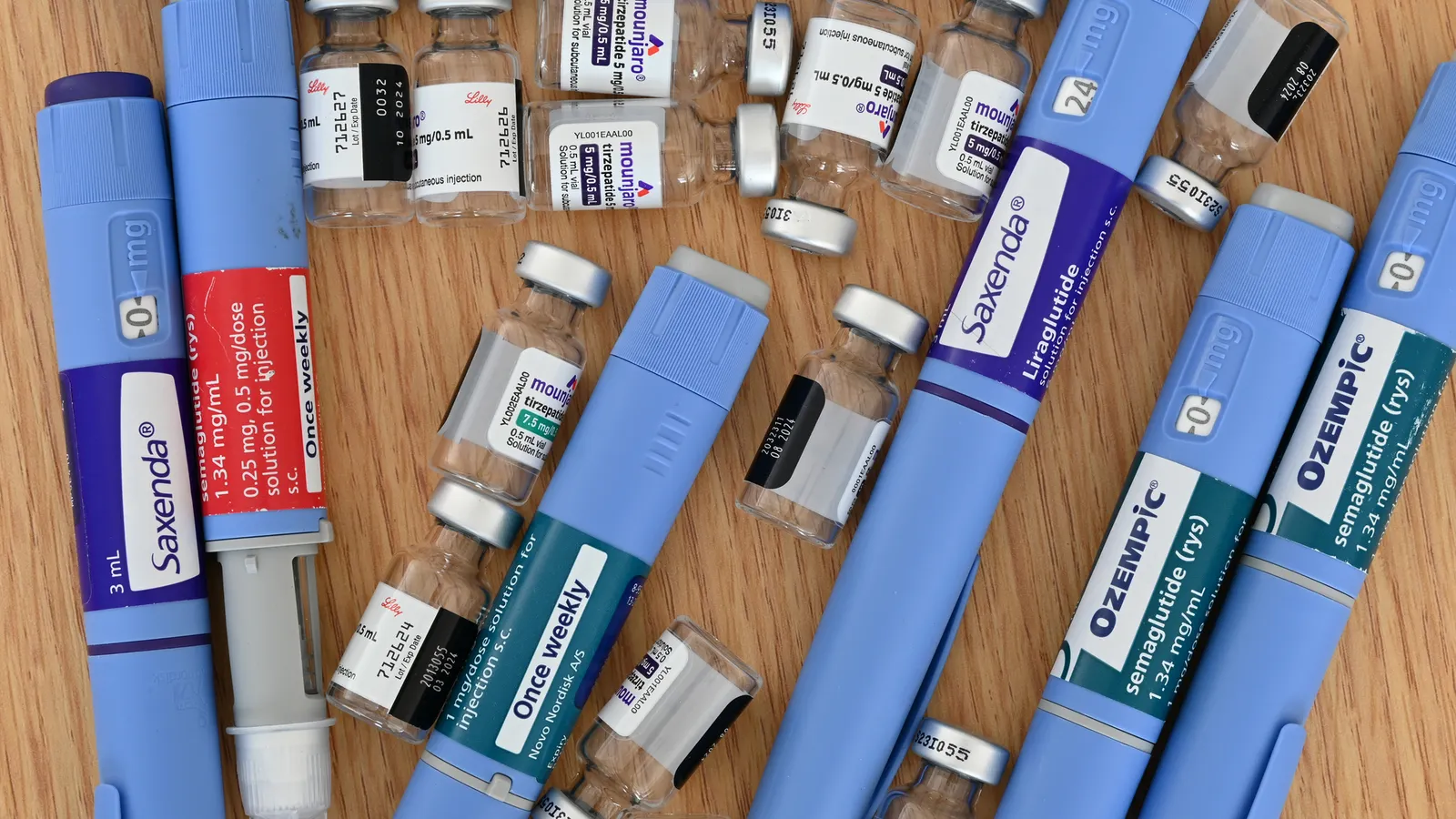
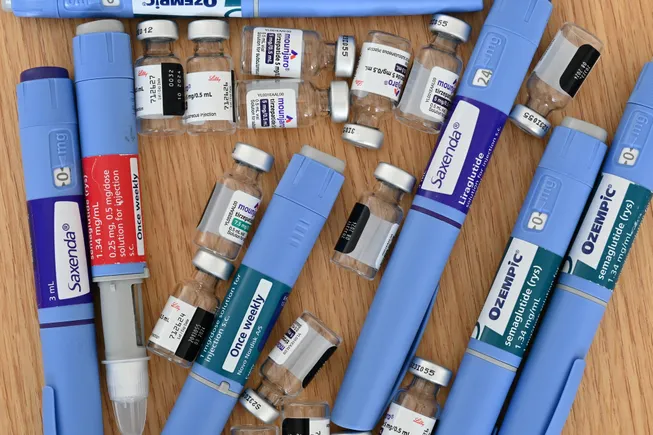
The Medicare GLP-1 Bridge program is designed to provide subsidized access to high-demand glucagon-like peptide-1 (GLP-1) receptor agonists, specifically Wegovy, Zepbound, and Foundayo. Under current federal law, Medicare Part D is generally prohibited from covering medications exclusively for weight loss. This pilot project circumvents that limitation by creating a targeted, 18-month demonstration period that runs through the end of 2027.
For eligible Medicare Part D enrollees, the program caps out-of-pocket costs at a $50 monthly copayment. This is a dramatic reduction from the typical market list prices, which often hover around $1,000 per month. To qualify for the program, beneficiaries must meet specific clinical criteria:
- BMI Requirements: A Body Mass Index (BMI) of 35 or higher, or a BMI of 27 or higher accompanied by specific weight-related comorbidities.
- Exclusionary Criteria: Beneficiaries cannot currently have health conditions that qualify them for GLP-1 coverage under existing Medicare guidelines, such as Type 2 diabetes.
- Prior Usage: Participants must not have filled a GLP-1 prescription under their Part D plan earlier in 2026.
Chronology of the GLP-1 Evolution
The journey to this moment has been characterized by rapid clinical breakthroughs followed by intense policy debates:
- 2021–2022: The emergence of semaglutide (Wegovy) and tirzepatide (Zepbound) as potent weight-loss agents captured the national imagination. Public interest surged as clinical trials demonstrated unprecedented efficacy in weight reduction.
- Late 2024: A comprehensive poll by KFF revealed that approximately 1 in 8 American adults were actively taking a GLP-1 drug for weight management, diabetes, or other conditions. The same survey highlighted that cost remains the primary barrier to continued use.
- Early 2025: Rising healthcare expenditures became a focal point of federal budget debates. Government data indicated that U.S. healthcare spending climbed to $5.7 trillion, a 7% increase attributed largely to the surge in demand for specialty pharmacy products, specifically weight-loss medications.
- Mid-2025: Advocacy groups and medical associations ramped up pressure on the Centers for Medicare & Medicaid Services (CMS) to address the inequity of access for elderly and disabled populations who suffer from obesity but lack the financial means to afford out-of-pocket costs.
- July 1, 2026: The Medicare GLP-1 Bridge program officially commences, initiating an 18-month trial intended to gather data on utilization, adherence, and potential long-term cost offsets.
Supporting Data: The Scale of the Eligible Population
A recent analysis by KFF provides a stark look at the potential magnitude of the Bridge program. By utilizing 2023 claims data, researchers projected the number of beneficiaries who might fit the clinical profile required for participation.
The analysis found that over 13 million Medicare enrollees—roughly 25% of the total population—met the BMI requirements for the drugs. When further filtering for Part D enrollment and clinical eligibility, approximately 10 million individuals remained. After applying the program’s specific exclusions—such as the prohibition on those already diagnosed with Type 2 diabetes or those who have already utilized the drugs earlier this year—the pool of eligible participants narrowed to 3.8 million.
While 3.8 million is significantly lower than the total eligible population, it remains a massive number in the context of federal pharmacy spending. The fiscal impact will be dictated by "uptake rates"—the percentage of those 3.8 million who actually choose to enroll—and the "adherence rate," or how many continue the treatment throughout the 18-month window.

Official Responses and Expert Perspective
The federal government has framed this program as an experiment in preventative health, yet the caution from policy analysts is palpable.
"The ultimate cost to the federal government of the Medicare GLP-1 Bridge will depend on actual participation numbers and adherence during the 18-month program," the report’s authors at KFF noted. They emphasized that there are two competing forces at play: the immediate, ballooning cost of providing the drugs, and the "potential cost offsets from savings that might accrue over time due to beneficiary health improvements."
Proponents of the program argue that by managing weight, Medicare could eventually see a reduction in secondary complications, such as cardiovascular disease, hypertension, and joint issues, which currently cost the Medicare trust fund billions annually. However, skeptics point out that these savings are often realized over decades, whereas the cost of the drugs is realized immediately.
Healthcare providers have largely welcomed the news, citing the frustration of having to tell patients that a medically necessary treatment for their weight-related health decline is out of reach due to their income level. However, many clinics are bracing for an administrative surge as they navigate the paperwork required to verify eligibility under the new Bridge program guidelines.

Implications for the Future of Healthcare Spending
The launch of the Bridge program marks a critical juncture in U.S. health policy. If the pilot demonstrates that the drugs effectively improve health outcomes and potentially reduce other expenditures, it could pave the way for permanent, broader coverage of anti-obesity medications within Medicare.
Conversely, if the uptake is higher than expected or if the costs of the drugs remain stagnant despite government negotiations, the program could exacerbate the fiscal strain on the Medicare Part D program. The 18-month timeline is deliberately short, likely serving as a "stress test" for the system.
Furthermore, the program’s existence highlights the broader, systemic issue of "GLP-1 inflation" in U.S. healthcare. With national spending hitting $5.7 trillion in 2025, the addition of millions of new users into a subsidized program represents a significant budgetary gamble. Policymakers are now tasked with balancing the urgent need to address an obesity epidemic against the imperative of maintaining the solvency of the Medicare program.
As of today, the Bridge is open. For millions of Americans, it represents a long-awaited opportunity for health intervention. For the federal government, it is a high-stakes test of whether the promise of long-term health savings can justify the immediate, massive investment in modern pharmacological innovation. The next 18 months will provide the data necessary to determine whether this "Bridge" leads to a more sustainable healthcare future or an insurmountable fiscal cliff.